Elegance as armor: in the footsteps of Miranda Priestly
Power doesn’t raise its voice.
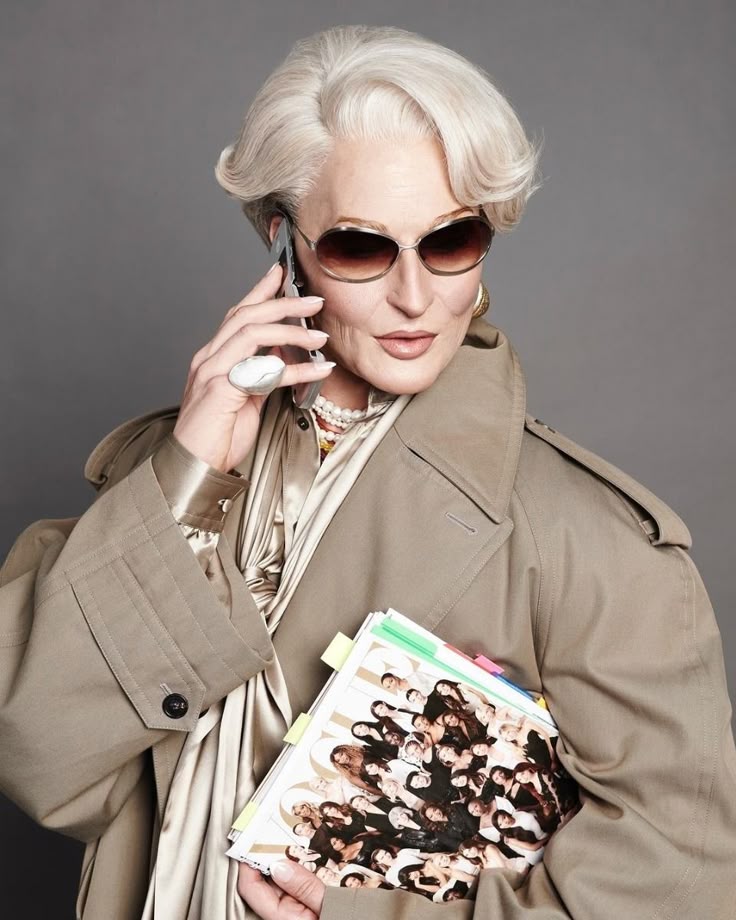
It doesn’t need to. It walks in wearing Tom Ford sunglasses, issues no apologies, and answers only to itself. It edits with a glance. Dismisses with silence. And never—ever—asks for permission.
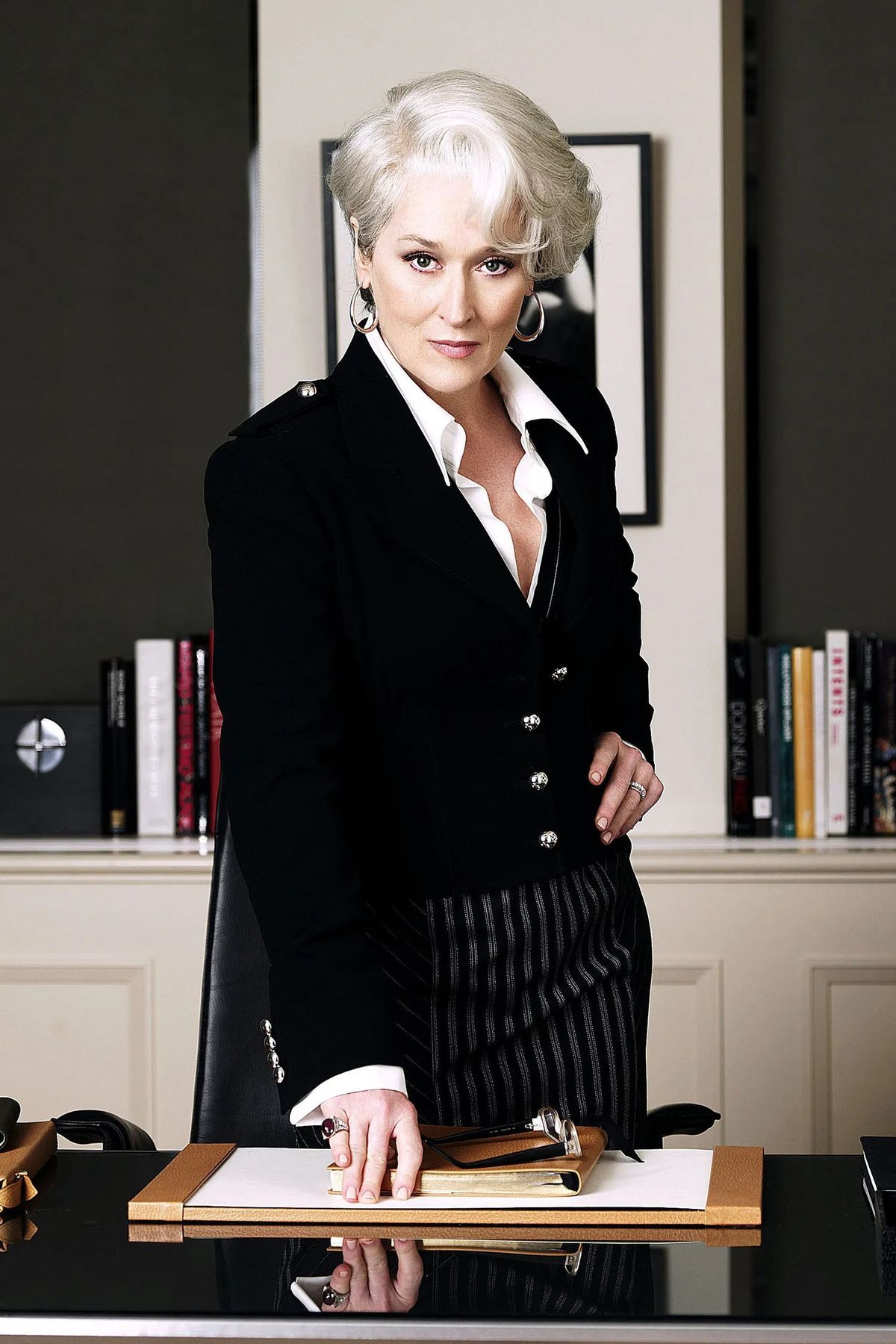
Miranda Priestly may have been framed as a villain in The Devil Wears Prada, but to the discerning eye, she remains something else entirely: a masterclass in controlled authority. And in an era that worships constant visibility and emotional accessibility, her brand of power feels almost revolutionary.
Because today, more than ever, to be a woman in control is to be prepared, composed, and yes—unapologetically elegant.
Style, weaponized
Miranda’s style has nothing to do with trends. It’s a language. A statement. A filter.
Her tailored coats and monochrome palette aren’t just chic — they’re strategic camouflage. Fashion as armor. Fabric as boundary.
Modern elegance, like hers, doesn’t beg to be liked. It communicates authority from ten feet away. For many women, the cut of a blazer or the choice of a shoe is no longer aesthetic — it’s a signal: you will not be underestimated.
Control the narrative or be written out of it
There’s power in silence. Miranda knows this. Her restraint is not detachment — it’s precision.
In a culture obsessed with sharing, reacting, and oversharing again, there’s something deeply radical about a woman who refuses to explain herself.
She doesn’t perform; she curates.
Her image isn’t curated for others — it’s curated for control.
And that’s not just branding. It’s boundary-setting. The kind of soft, strategic defense that doesn’t show its hand — it just stays three steps ahead.
Grace under pressure, distance by design
Emotional intelligence doesn’t always mean emotional exposure. Miranda reminds us that presence can be more powerful than vulnerability — when chosen, not imposed.
There’s a discipline to the way she protects her energy. It’s a reminder: strength isn’t always loud. Sometimes, it’s just a perfectly timed pause, a well-placed glance, a refusal to explain.

Elegance also means knowing where to turn
Real power doesn’t panic. It prepares.
Behind every composed woman is an infrastructure — quiet, intentional, and non-negotiable. That includes knowing when to delegate, when to step back, and when to call in trusted professionals.
Some rely on emotional confidantes. Others secure legal clarity. The truly prepared? They know who to call before things unravel — like a personal injury lawyer who can help defend what matters most, when it matters most.
Because elegance isn’t naïveté. It’s knowing your options — and keeping them ready.
Respect is never requested
Miranda doesn’t seek approval. She sets standards. Her authority is built, not begged for. It’s in the tone she never raises, the time she never wastes, the boundaries she never negotiates.
In a world urging women to soften their edges, she remains a case study in elevated resistance. Her grace is not gentleness. It’s calculation — cloaked in couture.

Strategy is the new statement
To be a woman today is to choose what to reveal — and what to protect. The most elegant power often lies in what’s withheld.
Miranda doesn’t do excess. She doesn’t over-explain, over-share, or overextend. She selects. She edits. She arrives already decided.
Minimalism, in her world, is not about aesthetics. It’s about efficiency — the rare luxury of not needing more.
Final word
In the end, Miranda Priestly isn’t cold — she’s unbothered.
She isn’t cruel — she’s unavailable to nonsense.
She’s not flawless — she’s flawlessly in command.
Her elegance doesn’t ask to be noticed. It moves through the world untouched — not because it hides, but because it no longer needs to prove anything.
And maybe that’s the final evolution of power:
Elegance as defense. Authority in silence. Respect, unspoken.