
The Art of Slow Sundays: How to Relearn Doing Nothing (Without Guilt)
This publication is also available in:
 Français
  English (UK)
  Deutsch
  Italiano
  Español
The art of the nap, the art of meditation… what if doing nothing or almost nothing was one of the keys to preserving our mental health? And I see you coming: no, we’re not talking about “doing nothing” while scrolling on your phone.
The art of the slow Sunday is a way to reclaim the right to take a break. Taking a day in the week, Sunday, of course, to rest your mind, relax your body, and indulge in activities that aren’t necessarily productive but are deeply soothing.
Let’s focus on this art of the slow Sunday, a simple yet precious ritual that you could quickly adopt… as an essential interlude to regain your balance and, who knows, spark new ideas.
Accepting to do nothing productive
The slow Sunday is not a catch-up day for everything you didn’t have time to do during the week. It’s a day of true rest. And it’s no coincidence that, in the past, it was dedicated to religious rituals: on Sundays, we slow down. We refocus, share a meal, take a walk, breathe a little.
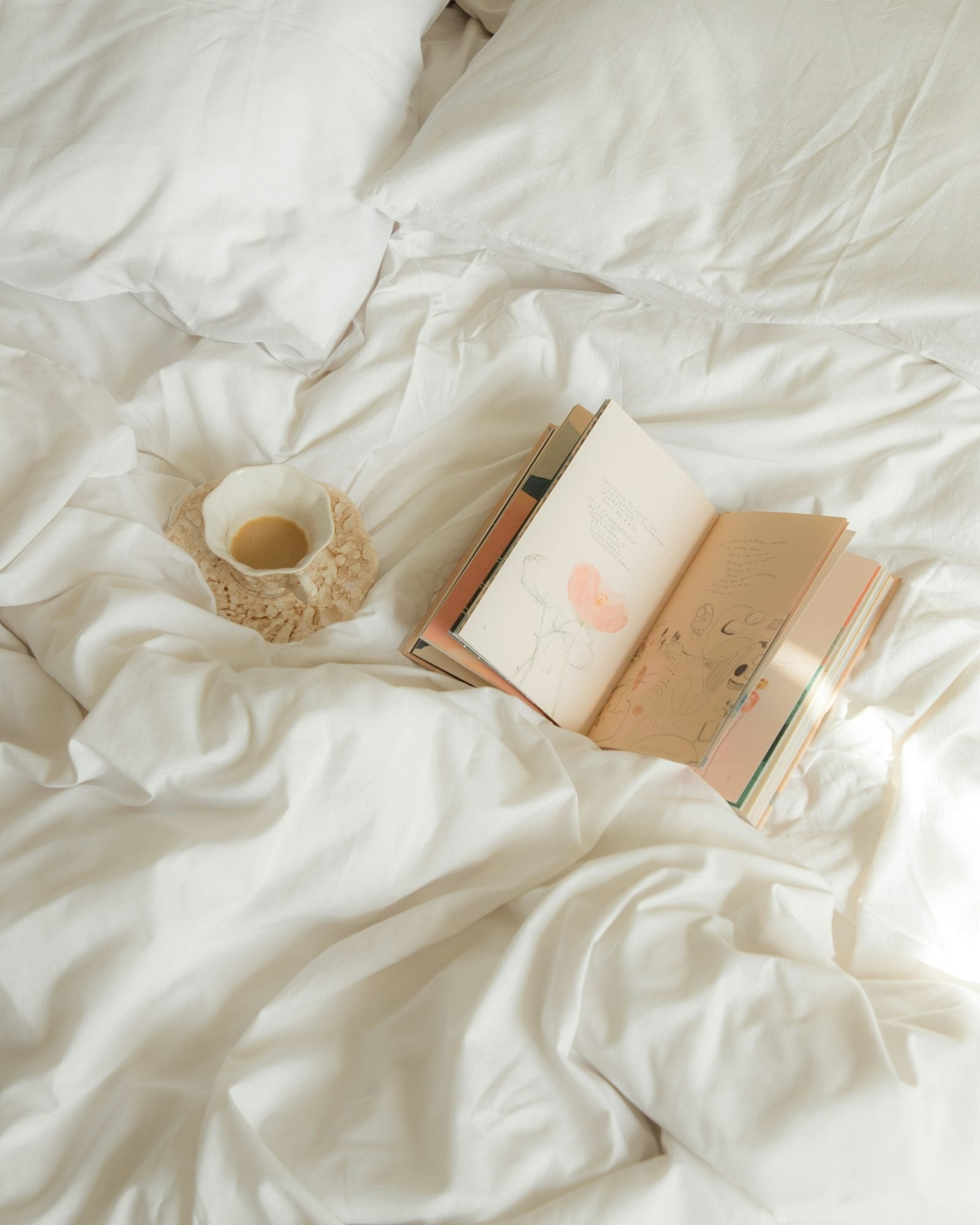
Let’s admit it: the idea of snuggling in a plush bed with a book and a cup of coffee for thirty minutes is dreamy… but it’s not that simple. The organization of the upcoming week, notifications on our phones, or that little inner voice reminding us of our “to-do list” often spoils our desire for a slow Sunday.
And then, there’s the number one enemy of Sunday rest: guilt. In our Western societies, being “overwhelmed” or “underwater” is still valued, even though mindsets are evolving, particularly due to a growing awareness of the importance of mental health.
Learning to not be productive is also learning to not feel guilty. Yes, watching Love is Blind on a Sunday afternoon at 4 PM with a plate of crab sticks and cheese and a latte is okay!! Try it, you’ll see, it feels good.


Creating a slow Sunday ritual
In the past, there was religion, the Sunday mass for Catholics or other spiritual rituals, often followed by a big family meal. You know, the kind that lasts until 4 PM, with the slightly annoying uncle and the grandfather who almost falls asleep at the table? These Sunday meals remain important for some of the population, but as families today often live further apart, this ritual tends to fade. So, even if you live in another city or abroad, nothing prevents you from creating your own ritual, whether alone or surrounded!
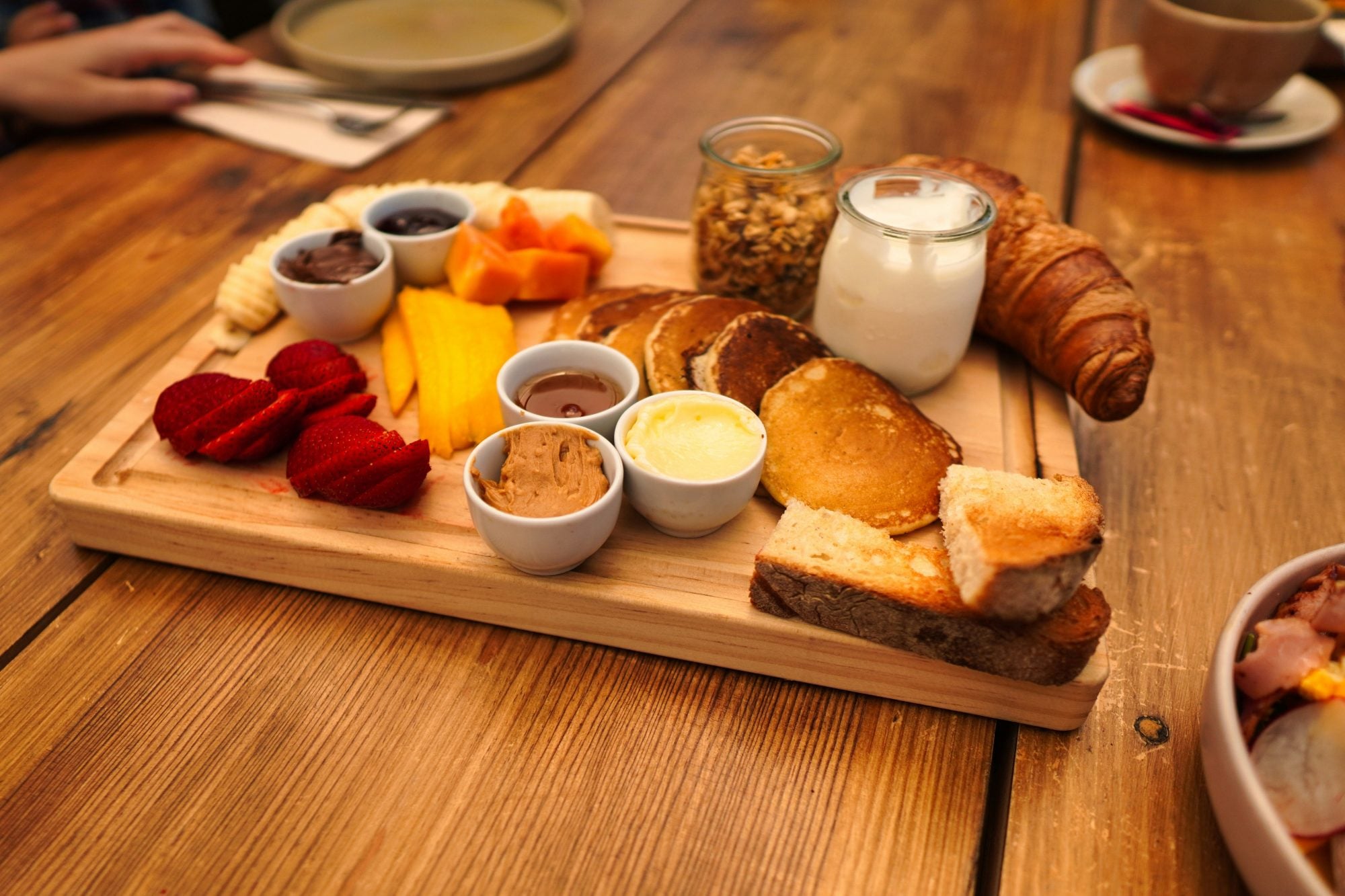
For example, you can decide that your slow Sunday will be reserved for brunch and flea markets in a neighborhood you love. If you’re alone, a small café on the terrace with a book is also perfect. The essential thing is to take time for yourself, whether at home or outside, and to slow down this crazy race against time to notice the little details of everyday life, and why not, engage with others.
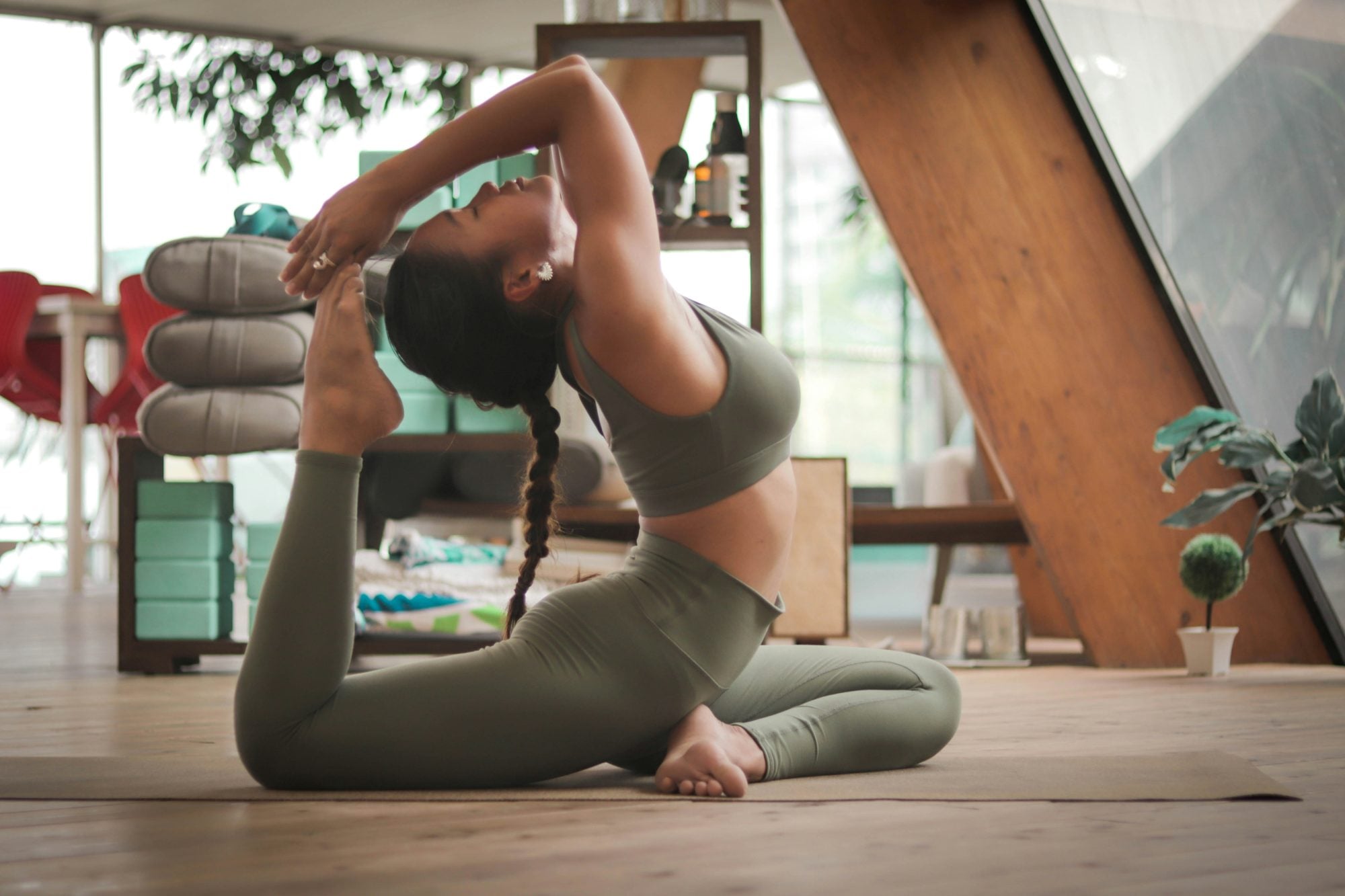
Another ritual idea: start reading a new book in the morning, accompanied by breakfast in bed or simply a coffee before starting the day. You can then incorporate other practices like yoga, a morning walk, or a journaling session.
Rest as skincare and mental care
Taking time for yourself obviously benefits your morale, but it also benefits your skin and body. I’m not telling you anything new, everything is connected, and to have good morale, it’s necessary to feel good in your skin. How can taking time for yourself improve your skin?
Because you’re well-hydrated
In general, when we relax at home, we tend to drink more: tea, lattes, matcha if you follow the trends, or just water. The result: your skin is hydrated and more beautiful. It makes sense, but yet, we don’t drink enough when we’re too busy.

Because you breathe better
Breathing is the number one natural tool to combat stress. When we’re running around, of course, we breathe poorly, but when we settle down and breathe consciously, a few inhales through the nose and a few exhales through the mouth are enough to relax us.
Because you take time to cook for yourself
You don’t need to be a chef to create a pretty brunch plate with some cheese, fresh veggies with hummus or tzatziki, for example, and toasted bread. And while you’re at it, enjoy eating mindfully: take the time to savor, chew well, and look at the food on your plate.
Featured image: ©Anthony Tran / Unsplash