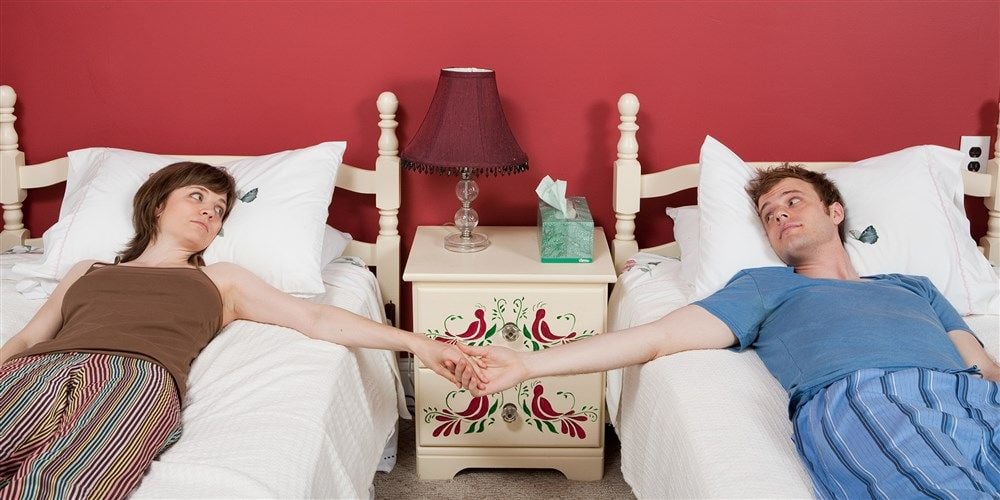
Sleep divorce: keeping separate rooms to prioritize sleep, the new trend among couples
This publication is also available in:
 Français
  English (UK)
  Deutsch
  Italiano
  Español
Sleep divorce: what if sleeping separately didn’t mean breaking up… but rather getting better rest?! For some, far from the idea that romance is dead in a relationship, sleeping apart is primarily a pact of kindness, both to oneself and to the other. It must be said that this trend allows many couples to optimize their sleep, better manage their emotional health, and thus strengthen their relationship. Of course, this requires communication, organization, and finding other ways to connect. What if, by transforming this practice into a kind alliance, we preserved the bond while respecting the fundamental need for rest: our own and that of our partner?
So why, when, and how should one adopt “sleep divorce”? Modalova takes a closer look at this trend favored by more and more couples, including Cameron Diaz, who reportedly practices it regularly.
My partner wants to “sleep divorce,” should I be worried?
Rest assured, sleep divorce, or sleeping separately from your partner, does not signify a lack of love at all! It is a conscious choice aimed at preserving sleep and thus the couple’s well-being. It involves sleeping in different beds or even in different rooms to optimize the quality of nightly rest. Because after all, when we sleep, we need no one else.
In the United States, more than one-third of couples have actually practiced it. And in India, the phenomenon is also notable, with Indians being the champions of separate beds: up to 78% of couples report adopting sleep divorce for better sleep. These figures illustrate that the sleep divorce trend is global and is primarily a strategy for relational and personal health. And for good reason, its benefits are enormous!


The proven benefits of separate beds on sleep
The sleep divorce did not arise from a misunderstanding. Its increasing adoption by couples comes from the numerous tangible advantages it offers for restorative sleep:
- Fewer nighttime interruptions: snoring, movement, sleep disturbances, or incompatible schedules often cause disrupted sleep in couples.
- Better sleep quality: approximately 53% of individuals who have tried sleep divorce report more restful sleep and gain an average of 37 additional minutes per night.
- Enhanced emotional balance: good sleep reduces irritability, stress, and conflicts, which can significantly improve couple harmony.
- Better daytime performance: sufficient rest promotes concentration, positive mood, and immune function.
- A beauty secret that is tried and true: sleeping better also leads to healthier skin!
In summary, sleep divorce can be seen as a true strategy for overall health, placing sleep at the heart of relational well-being. So why not embrace it?
And what about intimacy?
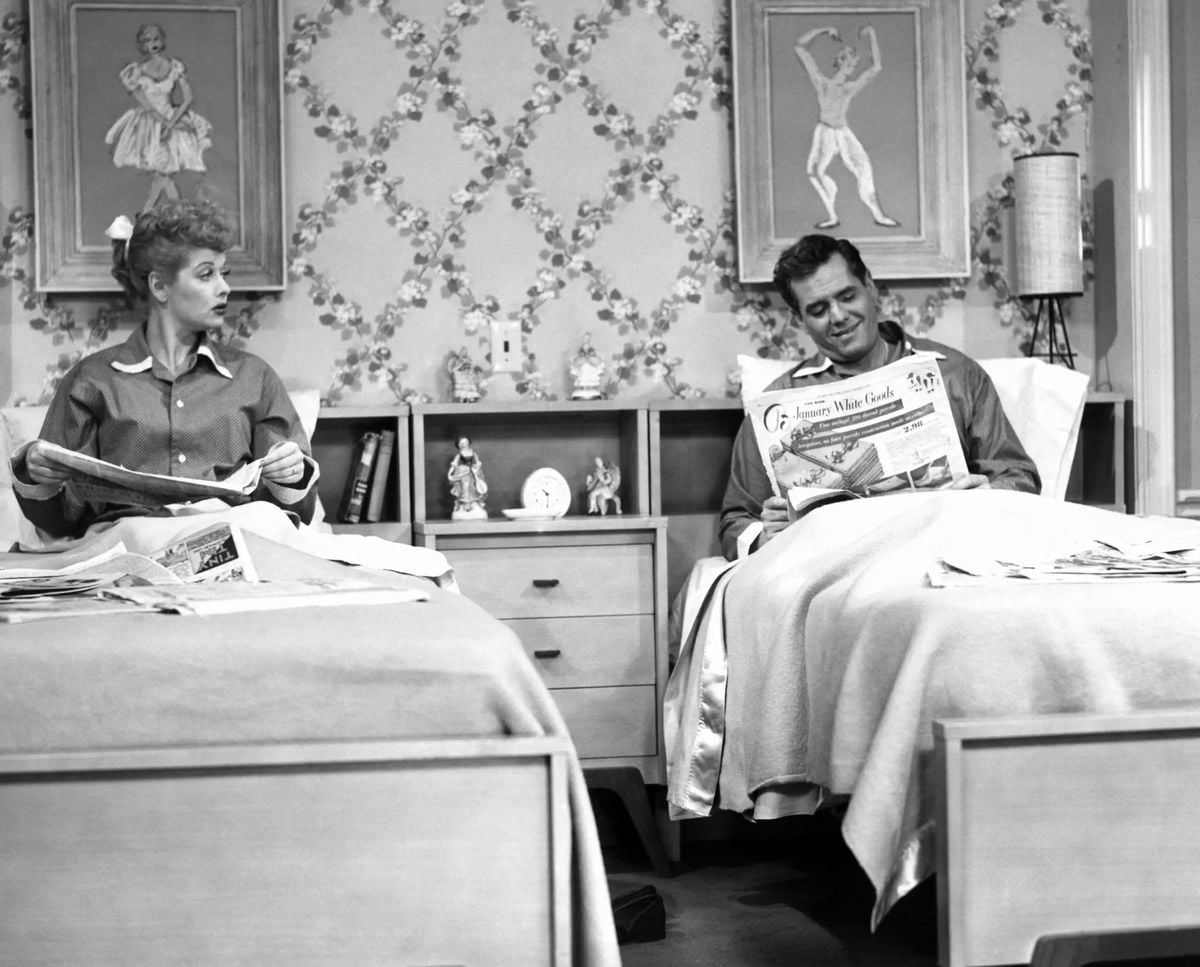
The question of intimacy arises whenever sleep divorce is mentioned: does sleeping separately risk pulling us apart? Have we stopped loving each other when we choose to sleep apart? Is the romance between us dead? All these questions are legitimate, and it’s essential to remain vigilant.
Especially regarding two points:
- Be cautious about a decline in spontaneous physical closeness: the absence of tender gestures in the evening or morning can be felt.
- Beware of feelings of distance or separation: the term “divorce” can carry discomfort or cultural taboo; some fear it signals a relationship problem.
It is not about, on the contrary, neglecting your partner!
So how do we maintain connection despite sleep divorce? There are many tips:
- Pre-sleep rituals: continue to get into bed together, even if you end the night separately. A moment of cuddling or soft conversation can help maintain the connection.
- Plan intimate moments: having breakfast together, a movie night, or a scheduled cuddle remains essential.
- Flexibility and communication: try the solution as a temporary test, adjust based on feelings, and regularly reassess.
- Reframe the term “sleep divorce”: some experts encourage referring to it as a “sleep alliance” to highlight the idea of a kind choice serving the couple rather than a separation.

Why, when, and how to practice “sleep divorce”?
Why?
The motivations are numerous: conflicting work or sleep schedules, respiratory issues (apnea, snoring), preferences regarding temperature, pillows, or bedding, sleep disturbances, pain, stress, or nighttime responsibilities (children, elderly parents).

When?
- In cases of chronic fatigue, irritability, or health deterioration related to lack of sleep.
- When alternatives (treating issues, adjusting routines, suitable shared bedding) have failed.
- If one wishes to prevent relational deterioration due to lack of rest.

How to go about it?
- Discuss calmly: explain that this is a step towards better sleep, not an escape from the other.
- Try it as a test: a night or a weekend apart to assess the effects.
- Maintain intimacy rituals (pre-sleep, small moments together).
- Stay open to dialogue: discuss what works or doesn’t, and adjust: separate frequencies, shared weekends, coming back together as needed.
- Name this practice positively: the concept of “sleep alliance” enhances the shared goal of well-being.
So, are you more of a team each their own bed, or team the more the merrier? 😉
Photos: Pinterest