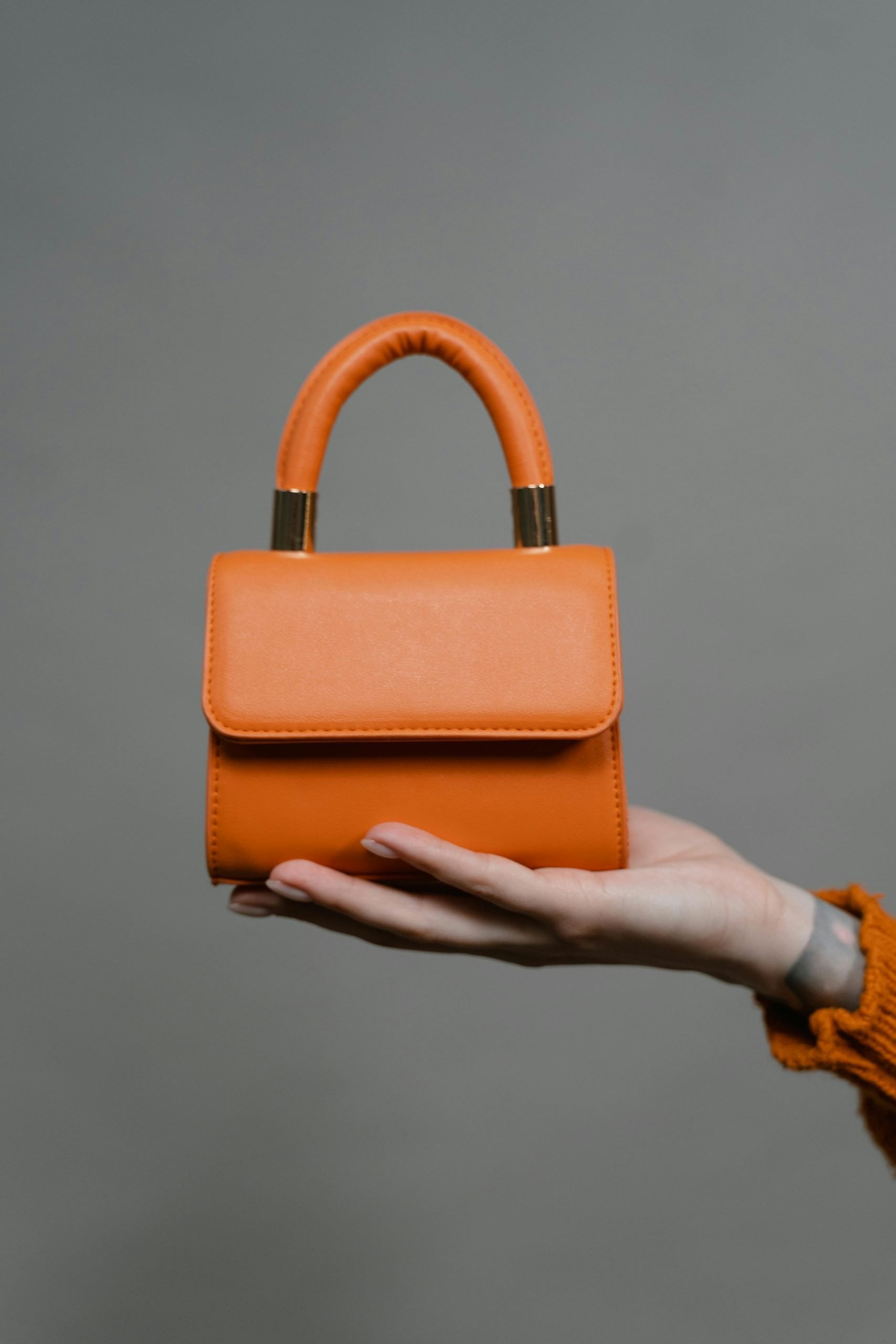
When luxury is thrifted: the new elegance
Something subtle has changed in the way people approach luxury fashion. The most stylish wardrobes today are not necessarily the newest ones. Instead, they are built with intention, around pieces chosen carefully, worn often, and kept for years.
For a growing number of fashion insiders, elegance is no longer defined by constant newness. It’s about knowing what deserves a place in your wardrobe and finding smart ways to acquire it.
And increasingly, that means looking beyond traditional retail.
Luxury resale has quietly become one of the most sophisticated ways to shop. A beautifully crafted bag or piece of jewelry doesn’t lose its appeal simply because someone carried it before. In many cases, it becomes even more desirable.
The end of fashion’s obsession with newness
For decades, the luxury fashion model relied on one powerful idea: newness equals desirability. Every season brought a new “must-have,” encouraging shoppers to replace what they had just bought months earlier.
But today’s consumers are more informed, and more selective.
The environmental cost of fashion has become impossible to ignore. Textile waste, overproduction, and resource consumption have pushed many shoppers to rethink how they build their wardrobes.
At the same time, luxury prices have risen dramatically. Iconic handbags from major fashion houses now come with price tags that can rival major financial investments.
As a result, many shoppers are asking a simple question: why pay full retail when the same piece may exist in near-perfect condition for significantly less?
That shift in mindset is redefining how luxury is consumed.
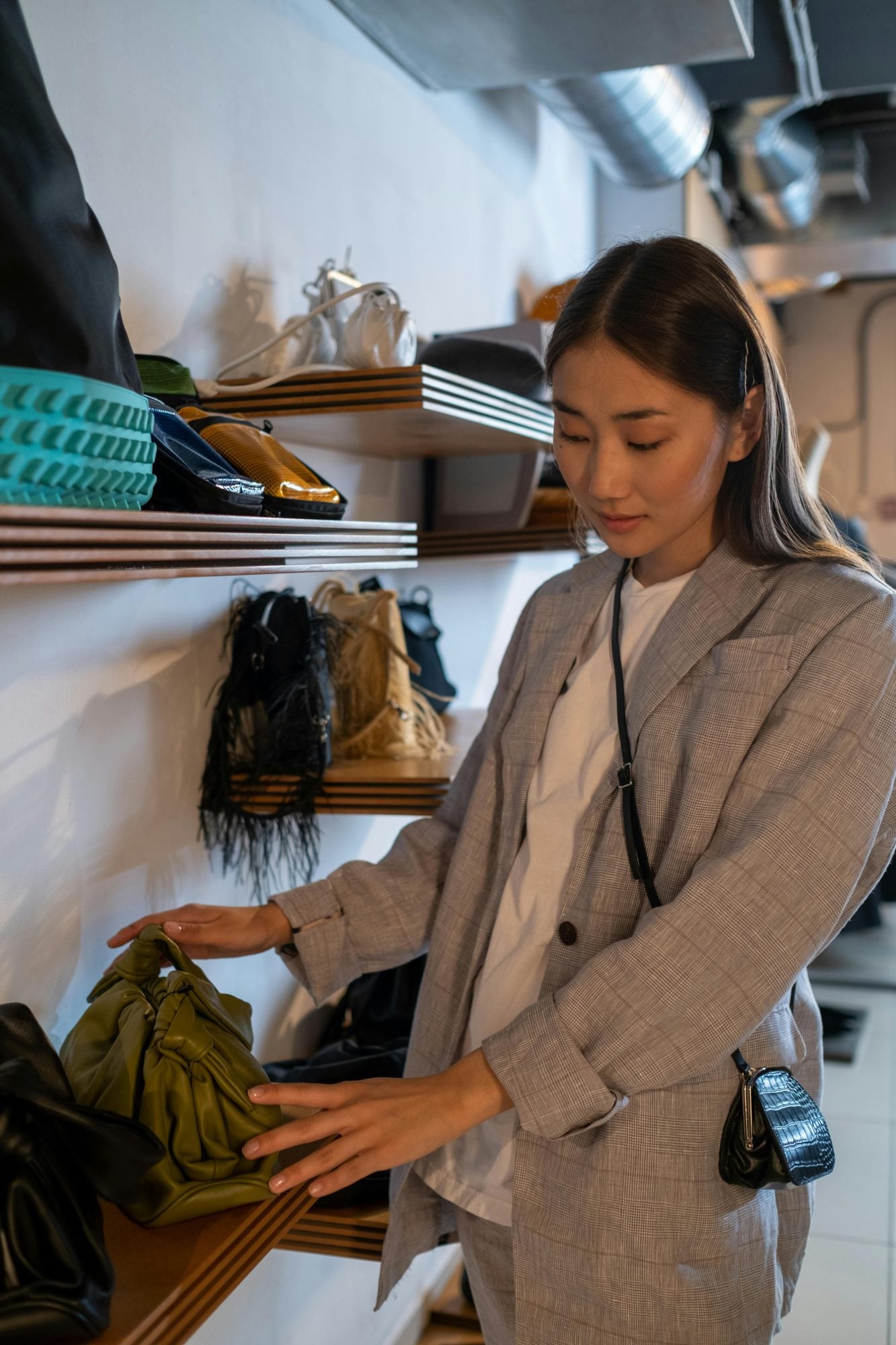
Why luxury resale is booming
Luxury resale has evolved far beyond traditional thrift shopping. Today, it operates more like a curated marketplace where craftsmanship and authenticity take center stage.
Trusted sellers carefully authenticate every item, verifying serial numbers, materials, and condition. Many pieces have been worn only a handful of times, and some still come with their original packaging.
For handbag lovers, this market is especially exciting. Classic bags from houses like Chanel, Hermès, Dior, and Louis Vuitton tend to hold their value remarkably well. Certain models even become more valuable over time.
Browsing preloved designer handbags often reveals iconic styles in exceptional condition—sometimes for a fraction of their original retail price.
In that sense, resale is not about compromise. It’s about shopping strategically while still enjoying the craftsmanship and heritage that define luxury fashion.
Building a smart luxury capsule
Once you embrace resale, it becomes easier to think about your wardrobe like a carefully curated collection rather than a rotating set of seasonal purchases.
A smart luxury capsule begins with a few foundational pieces.
A structured handbag in a timeless color, black, tan, or deep burgundy, is often the anchor. It works equally well with tailored office looks, casual denim, or evening outfits.
Next comes a smaller crossbody or shoulder bag for days when practicality matters. Lightweight and versatile, it adds flexibility without sacrificing style.
Finally, a statement accessory brings personality into the mix: a bold shade, distinctive hardware, or a sculptural silhouette that elevates even the simplest outfit.
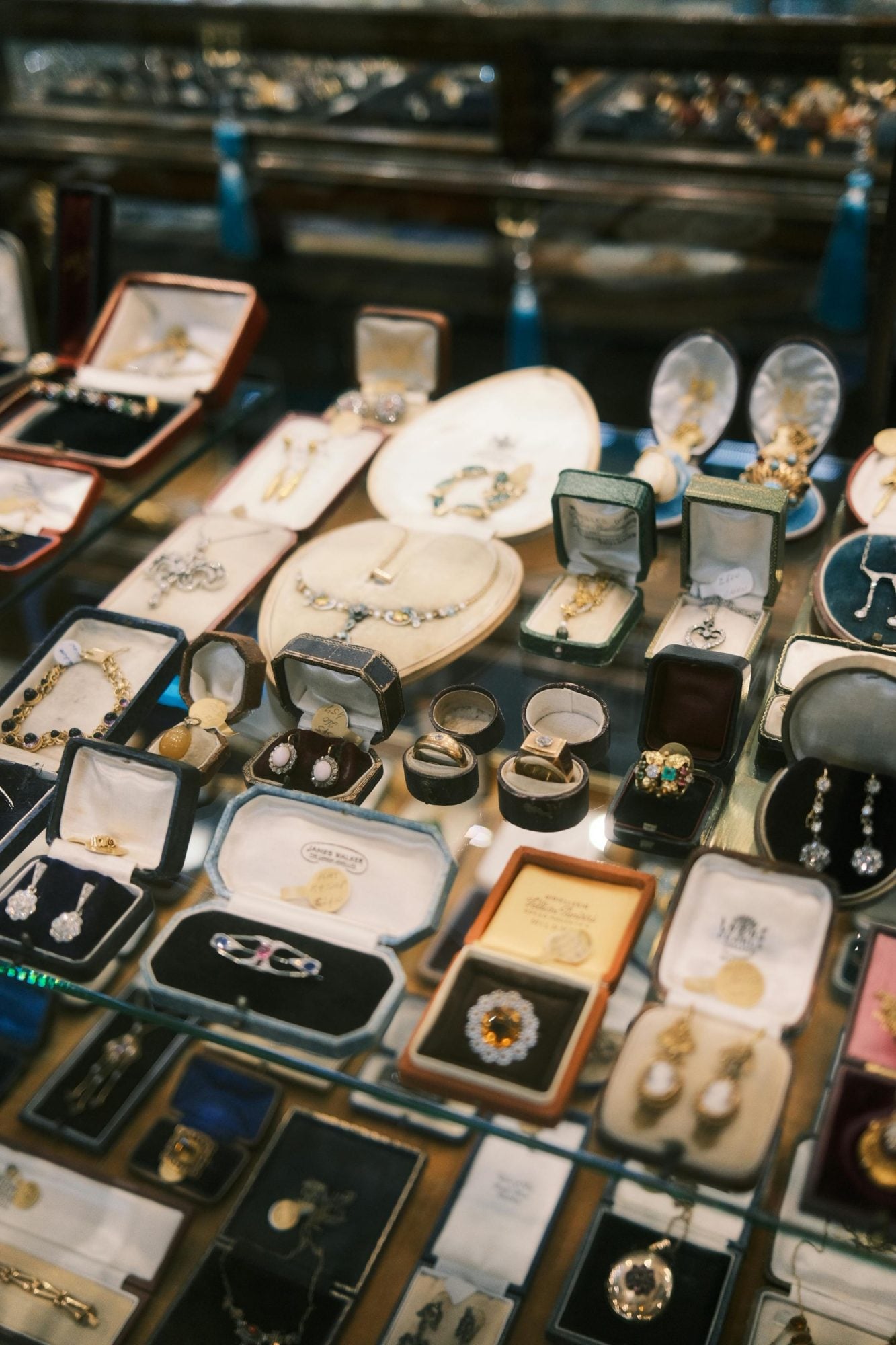
Jewelry plays a similar role. Certain pieces never lose relevance, and few are as timeless as the diamond tennis bracelet. With its understated brilliance, it transitions effortlessly from everyday wear to formal occasions. Many collectors begin their jewelry wardrobe by choosing to shop real diamond tennis bracelets, a classic designed to last decades.
With just a handful of thoughtfully chosen items, a wardrobe becomes both versatile and elevated.
How to identify quality in resale pieces
When shopping resale, understanding craftsmanship becomes essential.
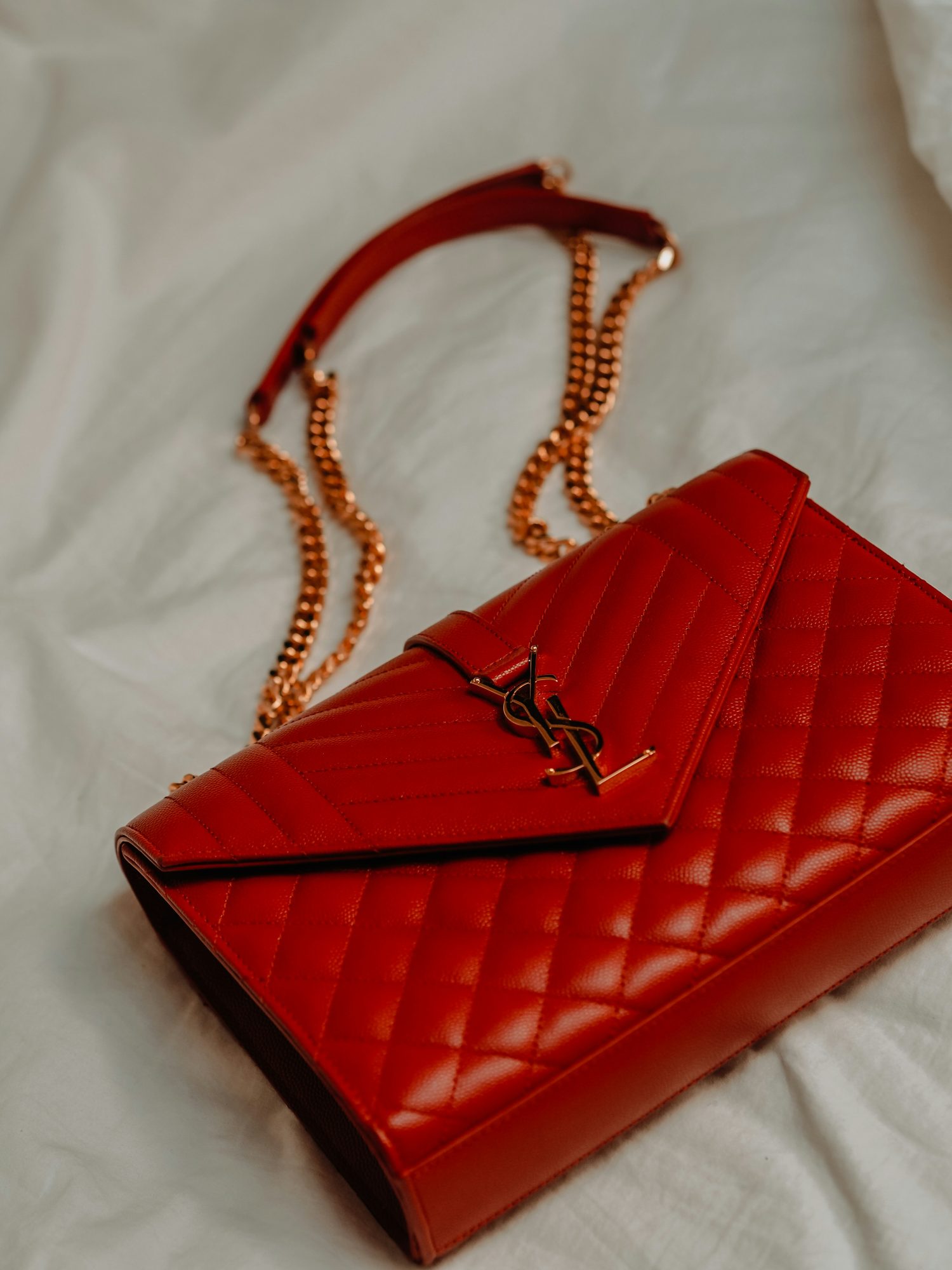
Leather is often the clearest indicator. High-quality full-grain leather develops a rich patina over time, becoming softer and more beautiful with use. Lower-quality materials, on the other hand, may crack or lose their structure.
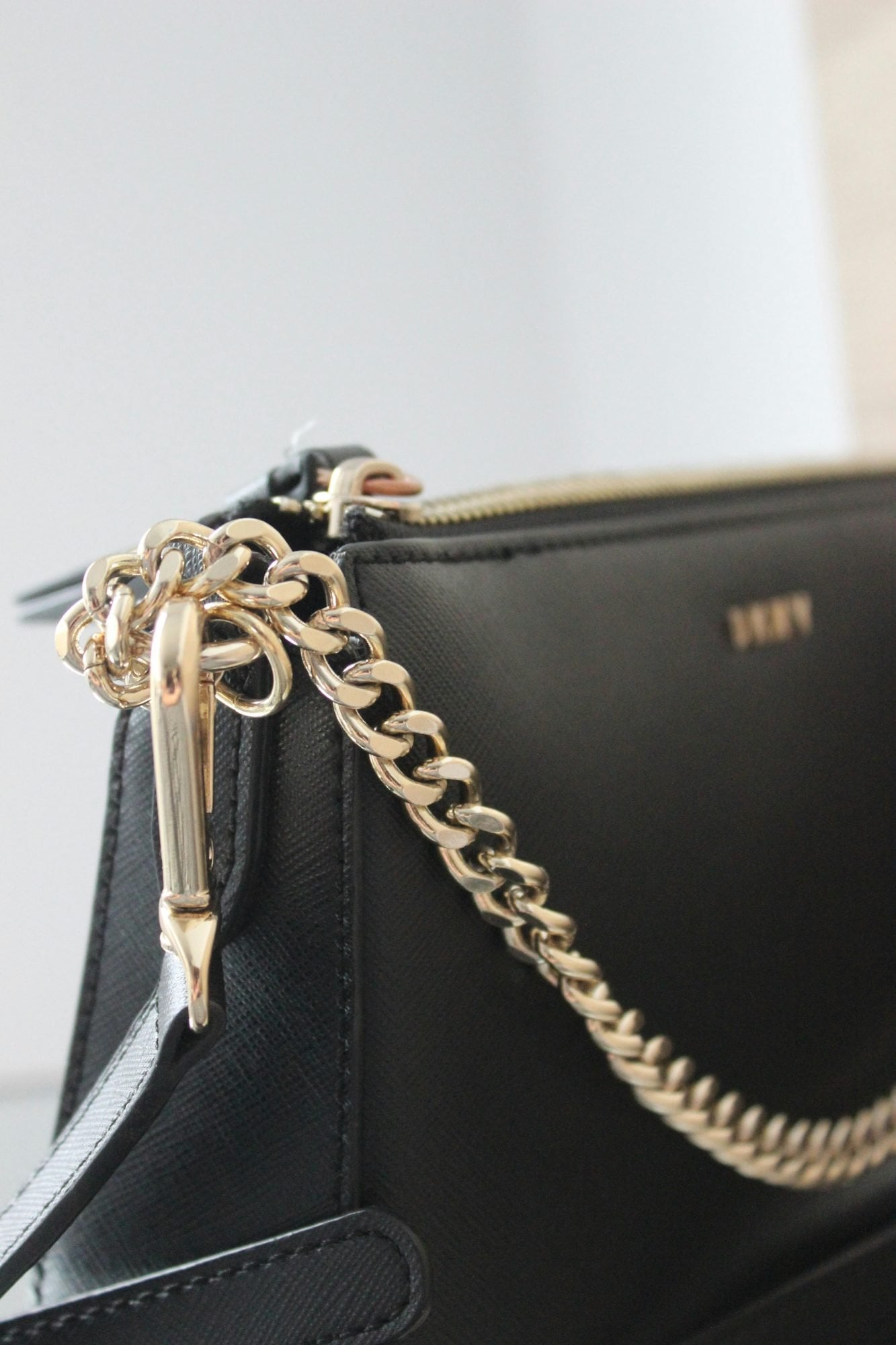
Hardware is another telltale sign. Luxury bags typically feature solid metal zippers, precise clasps, and consistent finishes. Any flaking or uneven plating can signal inferior construction.
Stitching also reveals a great deal about a piece’s quality. Even, tightly spaced stitches are hallmarks of expert craftsmanship and remain intact even after years of wear.
Finally, check the interior lining. A well-maintained lining often indicates that the previous owner cared for the bag properly, which usually means the exterior remains in excellent condition.
Protecting the pieces you invest in
Owning luxury accessories is only part of the equation. Proper care ensures they remain beautiful for years.
Handbags should ideally be stored upright and lightly filled with tissue paper to maintain their shape. Dust bags help protect leather from scratches and environmental exposure.
Leather conditioning every few months prevents drying and preserves the material’s natural softness. It’s also wise to keep bags away from direct sunlight or excessive heat.
Rotating your bags rather than using the same one every day can dramatically extend their lifespan.
Small details matter too. Interior pouches for cosmetics, pens, and keys help prevent stains and scratches that are difficult to repair later.
A more intentional way to dress
Beyond the practical benefits, the rise of luxury resale reflects a broader cultural shift. Fashion choices increasingly reflect personal values as much as personal style.
Choosing preloved pieces signals an appreciation for craftsmanship, heritage, and longevity. It favors quality over impulse and timeless design over fleeting trends.
Extending the life cycle of luxury goods also reduces demand for new production, an increasingly meaningful consideration for many shoppers.
For those who enjoy exploring fashion while maintaining a thoughtful approach to shopping, browsing collections of trending luxury styles can offer inspiration without the pressure of fast-moving trends.
Ultimately, the new definition of elegance isn’t about owning the newest items. It’s about understanding what truly deserves a place in your wardrobe.
The best-dressed people rarely buy everything new. They buy wisely, care for what they own, and choose pieces that continue to feel special year after year.
And more often than not, those pieces have already lived a first life.