The Vagus Nerve Yoga: My New Source of Calm
This publication is also available in:
 Français
  English (UK)
  Deutsch
  Italiano
  Español
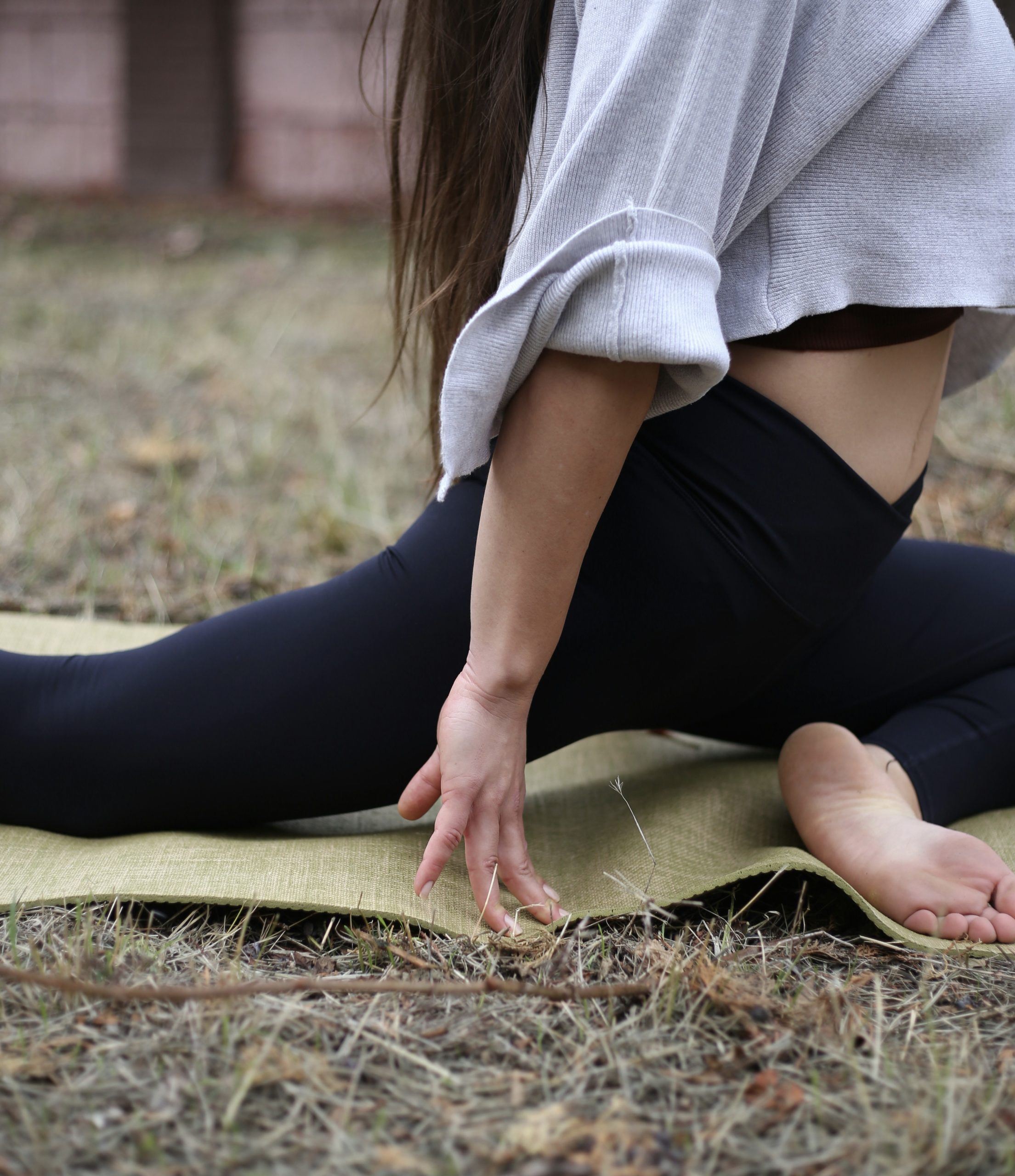
This winter, I curiously tried vagal nerve yoga. It’s been about a year since I started practicing yoga. That’s quite a bit, and at the same time, it’s not much at all. Previously, I was that girl who claimed to hate yoga. Because all my friends did it and because yogis always try to convince you that yoga is magical. Since I fully committed to yoga, partly to get through a tough time, I’ve come to appreciate all its subtleties and different styles. Vagal nerve yoga quickly became my anchor, my weekly session, that moment of the week just for me which, in just a little hour, allows me to recharge my batteries for the rest of the week. Haven’t you started (yet)? Let me explain how a session goes, and with a little luck, you too can enjoy the benefits of this practice that everyone is talking about.
What is the vagus nerve?
This is of course the first question that comes to mind. So what exactly is this vagus nerve that we hear so much about right now? The vagus nerve is, as its name implies, a nerve that is incredibly important for our physical, physiological, and mental balance. It is the longest nerve in the human body, connecting the brain to the heart, lungs, intestines (our second brain), and liver. It is part of the parasympathetic nervous system, responsible for the body’s resting and recovery state. If the vagus nerve is out of balance, it puts the body into survival mode and sends stress signals to the brain that will intensify nervous fatigue and anxiety. Studies have shown that the activity of the vagus nerve, known as “vagal tone,” is directly linked to our ability to manage stress and emotions. Low activity of this nerve is often associated with greater sensitivity to stress and anxiety.
An balanced vagus nerve helps maintain emotions, contributes to good digestion, and regulates stress levels.
What happens when we activate the vagus nerve?
It is also called the cranial nerve. When we activate the vagus nerve in a healthy way, which yoga practice invites us to do, we send a signal of safety to the body, allowing it to function by alternating between active phases like digestion and slower phases where the system is at rest. Vagal nerve yoga activates the parasympathetic system.
We activate the vagus nerve through several yogic techniques found in Yin yoga.
- Slow breathing (between 4 and 6 cycles per minute)
- Sound vibrations
- Gentle somatic massages or touches
- Slow and conscious movements
The structure of a vagal nerve yoga session
You won’t be sweating during a vagal nerve yoga session. For those in the know, vagal nerve yoga resembles Yin yoga, a very gentle practice. The goal? To regulate stress and activate the parasympathetic system. I assure you that’s more than enough.
I am sharing my experience here knowing that every teacher is different, although vagal nerve yoga follows a certain structure.
Like most yoga classes, we start with a little meditation or intention setting. This pause at the beginning of the class is essential. It allows you to arrive in the classroom and be truly present, and it also allows the body to focus and lower its guard to open up to the practice. Once we give our body the awareness of being safe, we can start the movements. The class began with a self-massage of the foot using a tennis ball. This exercise has the advantage of stimulating the reflex zones of the foot, which represent parts of the body, and waking up that area we tend to forget.
Then, we alternate between yoga poses and breathing exercises (pranayama), such as alternating nostril breathing. The poses are the same as those in Yin yoga, so we move slowly and stay in the same pose for a few minutes before moving on to the next.
My verdict: an unexpected bubble of comfort
Among all the forms of yoga I’ve tried, this is clearly the one that offered me the deepest relaxation, with a sense of well-being that lasted for several days.
I arrived in class completely exhausted, truly exhausted, between two young children at home 24/7 and a separation in progress, and I left recharged, but most importantly, with a much more positive mindset.
The foot sole stimulation exercise was a real revelation for me, just like the effects of breathwork.
If you are also looking to disconnect after a tough week, vagal nerve yoga could very well bring you, I hope, as much comfort as it did for me.