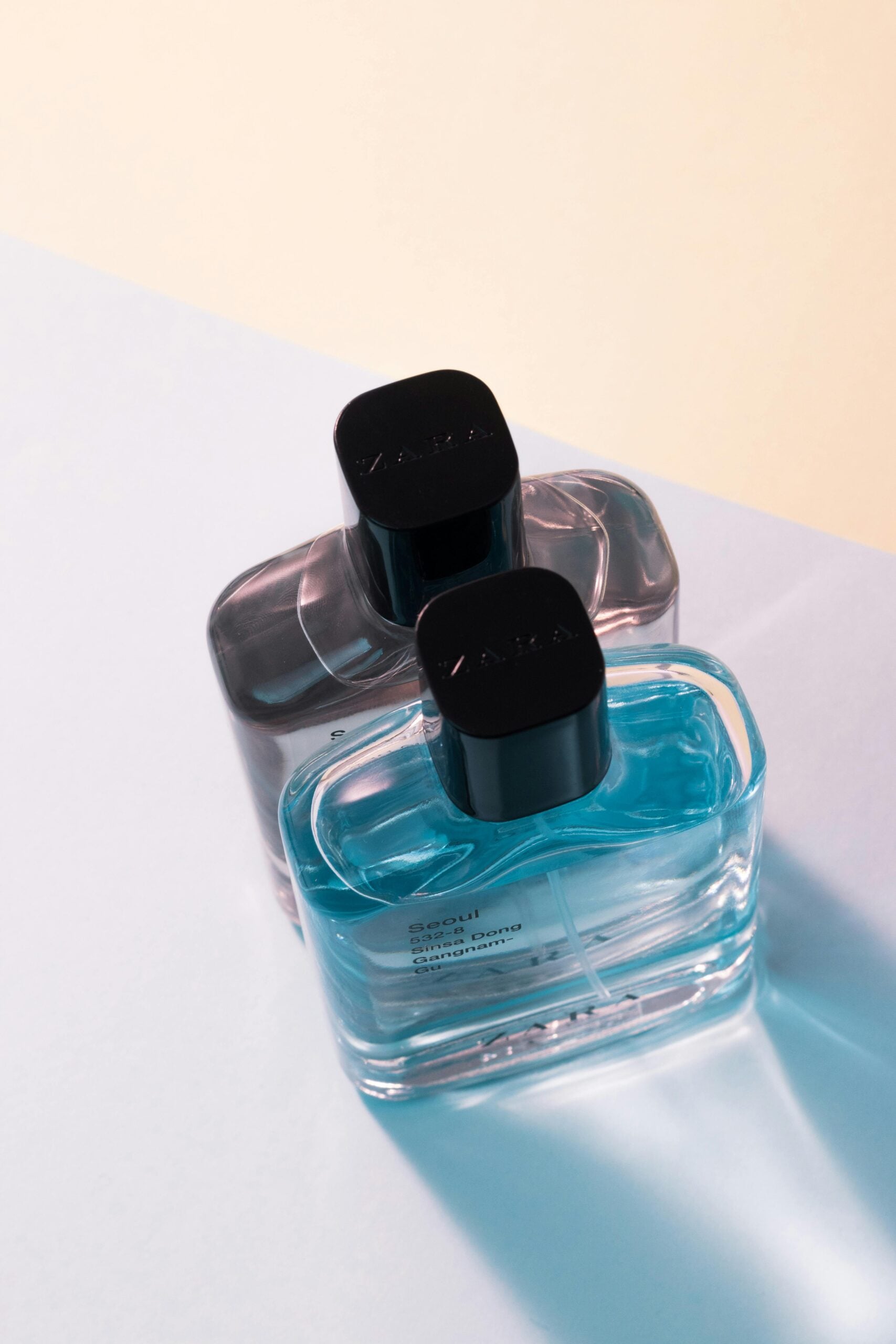
How to find your signature scent with intention
Choosing a fragrance is never just another step in a beauty routine. It is a way of defining presence, shaping memory, and leaving behind something more personal than a first impression. Like an iconic handbag or a perfectly tailored blazer, a signature scent does not simply accessorize. It reveals. It becomes part of the way someone is remembered, long after they have left the room.
The challenge is knowing how to recognize it, beyond the allure of a beautiful bottle or the influence of a glossy campaign.
Understand fragrance families before you choose
Before finding your signature scent, it helps to understand the major fragrance families. Florals, from rose to jasmine, can feel soft, powdery, romantic, or boldly sensual. Woody scents, built around sandalwood, cedar, vetiver, or oud, often carry a more structured kind of elegance. Amber fragrances wrap the skin in warmth, resin, vanilla, spice, and musk. Fresh scents, whether citrusy, green, aquatic, or airy, offer a cleaner, more luminous sophistication.
This first step helps prevent impulse buys. A perfume you admire on someone else may tell an entirely different story on your own skin. Pay attention to the notes you naturally gravitate toward: a fig candle, an orange blossom body cream, a white musk lotion, the smell of polished wood, soft leather, or sun-warmed citrus. Those preferences often reveal more than a sales pitch ever could.
Why perfume should always be tested on skin
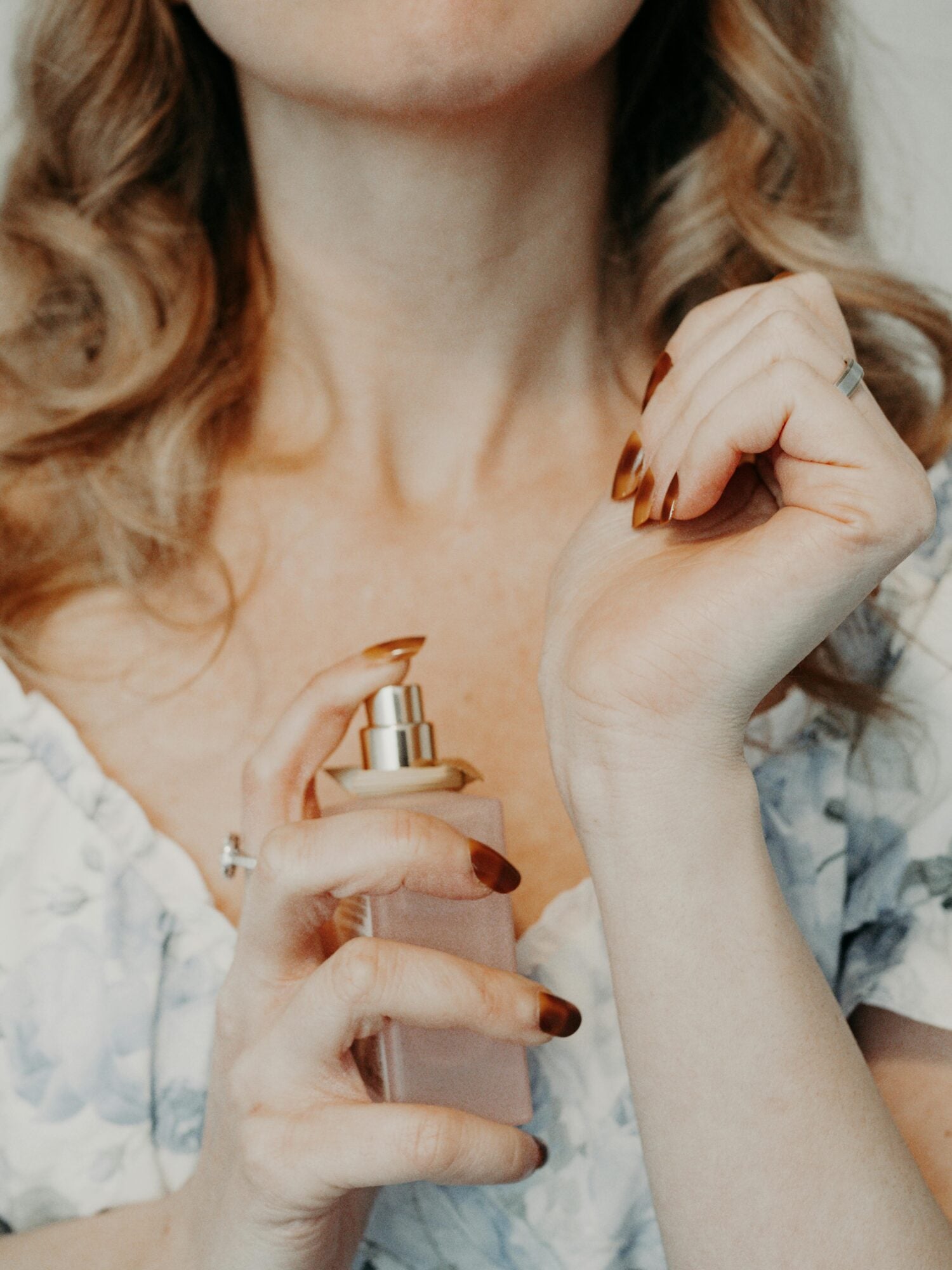
A fragrance can never be fully understood on a paper blotter. It has to meet the skin, its warmth, texture, chemistry, and natural rhythm. The top notes create the first impression, often bright and fleeting. The heart notes reveal the composition’s personality. The base notes — woods, musks, amber, vanilla, leather — are what remain, shaping the scent’s lasting impression.
Testing a fragrance on the wrist or inner arm allows you to understand how it truly evolves. Chanel No. 5, Dior J’adore, and Maison Francis Kurkdjian’s Baccarat Rouge 540 did not become cultural references because of their opening notes alone. Their power lies in the way they develop, linger, and become instantly recognizable over time.
The elegance of not trying everything at once
In fragrance shopping, restraint is essential. After four or five scents, the nose begins to tire. Notes blur, nuances disappear, and what started as a refined experience becomes confusion. A better approach is to choose fewer fragrances with more intention. Three scents are usually enough for one testing session, ideally from different olfactory families.
The right perfume requires time. Wear it for a few hours. Notice how it settles into a sweater, how it feels after the opening fades, whether you want to return to it later in the day. Sometimes the real attachment begins not at first spray, but in the quiet moment when the scent reappears unexpectedly.
The signature scent beyond gender
The lines between feminine, masculine, and gender-fluid fragrance have never felt more fluid. Clean musks, transparent woods, incense, leather, and amber all speak to a more liberated way of wearing scent. In contemporary perfumery, unisex fragrances are less about neutrality than freedom: a more instinctive, personal approach to scent, untethered from traditional codes.
Houses such as Le Labo, Byredo, Tom Ford, and Serge Lutens have helped shape this more intimate vision of fragrance, where scent is defined less by gender than by attitude. A creamy sandalwood, a dry vetiver, or a mineral musk can feel both soft and assertive. A signature scent should not be chosen according to a label, but according to the way it extends a person’s style.
Match your fragrance to the season and the moment
Fragrance behaves differently depending on climate, setting, and time of day. Heat amplifies notes, while cold air can make them sit closer to the skin. In summer, citrus, sheer florals, green notes, and airy musks tend to feel crisp and elegant. In colder months, amber, woods, vanilla, leather, and oud gain depth beneath a coat or cashmere sweater.
Context matters, too. An office fragrance often calls for something softer and closer to the skin, while an evening scent can afford more warmth, texture, and projection. True sophistication lies in that sense of proportion: knowing when to whisper and when to leave a more memorable trail.

Recognize the right sillage
A signature scent is not necessarily the one everyone notices first. It can be intimate, subtle, almost private. Longevity refers to how long a fragrance lasts. Projection describes how far it radiates from the skin. Sillage is the trace it leaves behind.
Finding your signature scent means choosing a fragrance that does not disguise you, but refines your presence. It should feel as natural as a favorite piece of clothing, as deliberate as a well-cut coat, and as personal as the jewelry worn every day. The right perfume is not worn to follow a trend. Over time, it becomes a form of recognition.