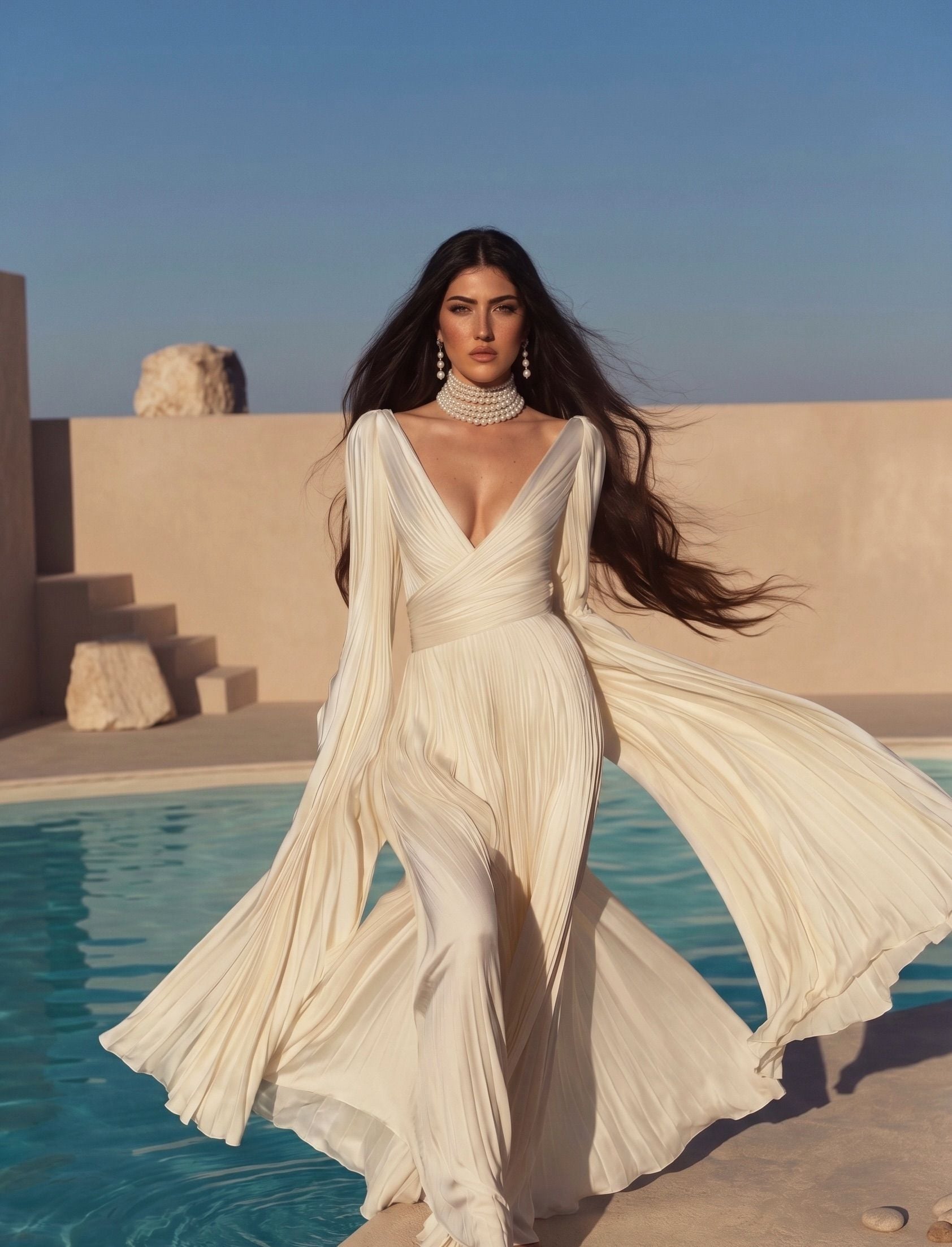
Antonella Attorre and the new language of luxury influence
A new grammar of luxury is being written far beyond the runway. It moves through a couture silhouette, a discreet five-star address, a carefully composed image, and the ability to turn fashion into a living narrative. At the intersection of high fashion, luxury travel, hospitality, and digital influence, Antonella Attorre reflects a broader shift in the way luxury is now seen, styled, and shared.
Italian-born and now based between Spain and Dubai, after chapters in London and the United States, Attorre has cultivated a visual identity shaped by Mediterranean elegance, refined settings, and a polished approach to personal style. Her world, followed by a substantial online audience, is built around a precise idea: fashion is no longer simply worn. It is staged, contextualized, and folded into a wider art of living.
A new face of luxury influence
As fashion houses increasingly look for complete worlds rather than just recognizable faces, the role of the celebrity influencer has evolved. Today, influence is less about posing in a dress or carrying a handbag than about giving those pieces a desirable, culturally fluent, and visually coherent context.
Attorre belongs to a generation of digital personalities who understand the value of a fully realized image. A couture dress photographed in a studio can communicate elegance. That same dress worn aboard a vintage yacht off the Amalfi Coast, inside a light-filled suite, or against the quiet drama of a private shoreline tells a more layered story. It is this connection between clothing, setting, and attitude that gives her visual universe its editorial dimension.
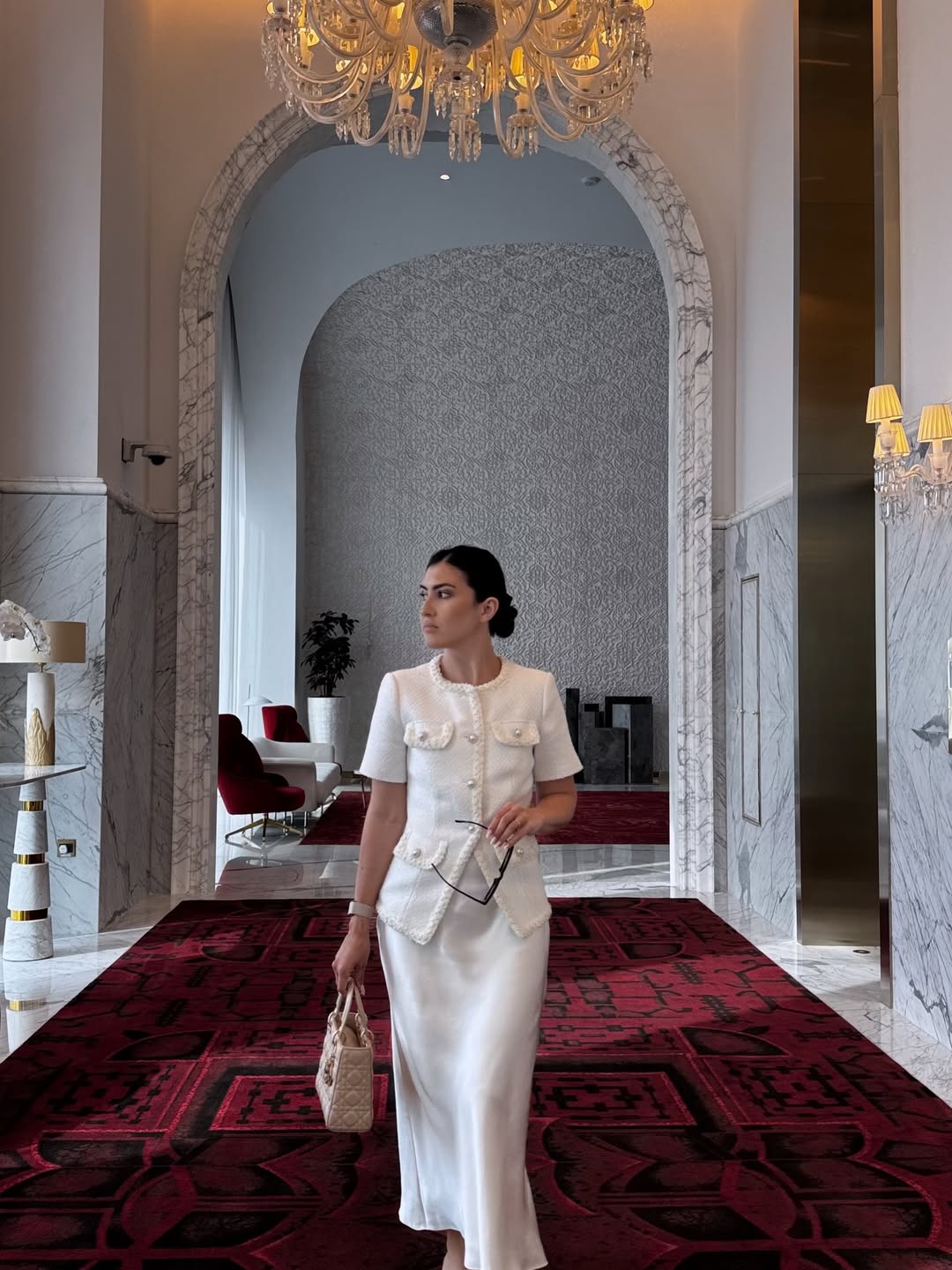
Where high fashion meets the five-star lifestyle
One of the defining elements of Attorre’s positioning is her connection between luxury fashion and exceptional travel. Through Haute Traveling Media Group and its ultra-luxury division, Haute Privilege, she develops imagery where destinations are not treated as backdrops alone, but as extensions of the clothes’ emotional meaning.
This approach reflects a broader shift in contemporary luxury. Fashion houses are no longer selling only a garment, a handbag, or a pair of heels. They are offering an atmosphere, a point of view, a way of moving through the world. From Chanel to Dior, Saint Laurent to Versace, the most memorable silhouettes have always been tied to a larger mythology: the Riviera, Paris, Italian palazzos, New York nights, modernist villas, private escapes. Attorre translates that heritage into the digital era, where the image must feel both aspirational and immediate.
An aesthetic built on image and strategy
What distinguishes Attorre’s trajectory, beyond the polished surface of her content, is her understanding of reputation as a craft. Before becoming a public-facing figure, she spent time in the demanding world of hospitality, an industry where every detail matters: the welcome, the presentation, the pacing of service, the discretion, the ability to anticipate desire before it is expressed.
That background appears to have shaped her understanding of what affluent audiences expect from luxury: exclusivity, precision, consistency, and emotional fluency. Her book, The Influence Code, presented as a guide to brand positioning and digital authority, extends that interest in how public presence is built and sustained.
Her work with 10X Experts Agency also points to a more strategic reading of image, visibility, and reputation. In this sense, luxury is not treated merely as an aesthetic category. It becomes an architecture: a deliberate identity, carefully maintained and designed to endure.
Luxury as a modern narrative
Antonella Attorre reflects one of the most significant shifts in fashion today: influence no longer simply recommends. It contextualizes. It turns a dress into aspiration, a destination into an editorial setting, and an appearance into a brand moment. The logic recalls fashion’s most enduring cultural images: Chanel tailoring as a symbol of independence, Versace glamour as unapologetic power, Saint Laurent silhouettes as urban sensuality.
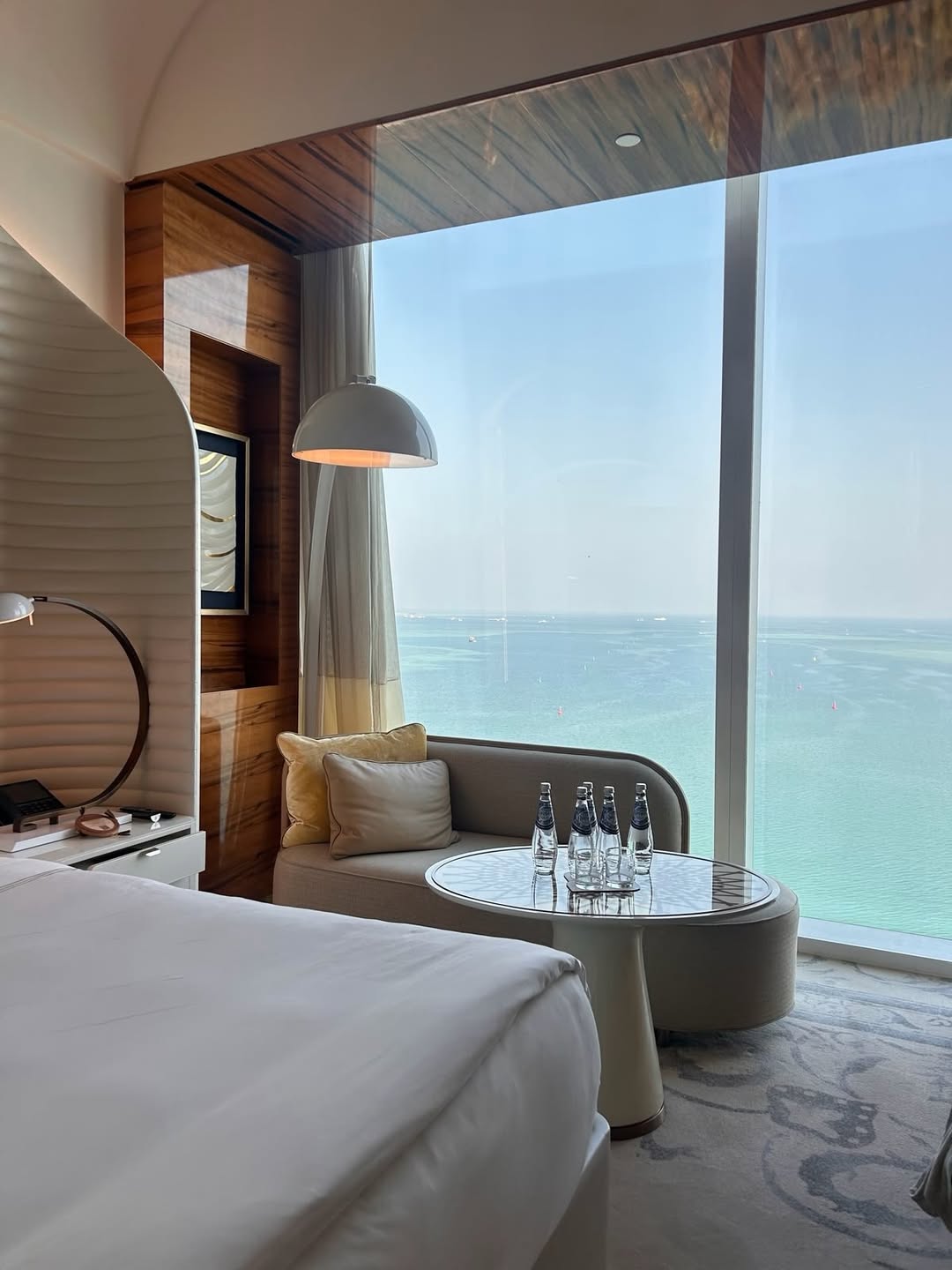
In today’s attention economy, figures who can merge style, storytelling, and lifestyle have become especially relevant to luxury brands. Attorre offers a useful example of that evolution: not simply as a polished digital presence, but as a case study in how visual identity can shape perception.
Her trajectory suggests that contemporary elegance is no longer defined by wardrobe alone. It lives in the coherence of an entire world: the places one chooses, the images one creates, the collaborations one accepts, and even the restraint one maintains. Perhaps that is where the modern face of luxury now resides — not in excess, but in the precision of an image carefully composed.