Why jewelry is becoming more personal
For decades, jewelry was a way to signal status, taste, or a certain kind of confidence. Today, it is moving closer to the skin, trading spectacle for subtlety. A ring slipped on every morning, a pendant tucked beneath a fine knit, a chain you almost never take off: the most compelling pieces are no longer designed only to be seen. They are meant to be lived in. In this new language of style, jewelry becomes less about ornament and more about identity.
Luxury is no longer displayed, it is understood
Contemporary taste is moving away from overt statements and toward something more nuanced. As wardrobes become more precise, delicate rings, fluid bracelets, miniature hoops, and fine gold necklaces are shaping a more personal vision of jewelry, chosen for their subtlety rather than their immediate shine. This discretion is not a retreat. It reflects a new standard of luxury: one that slips naturally into everyday life while still carrying emotional weight.
Jewelry as a second skin
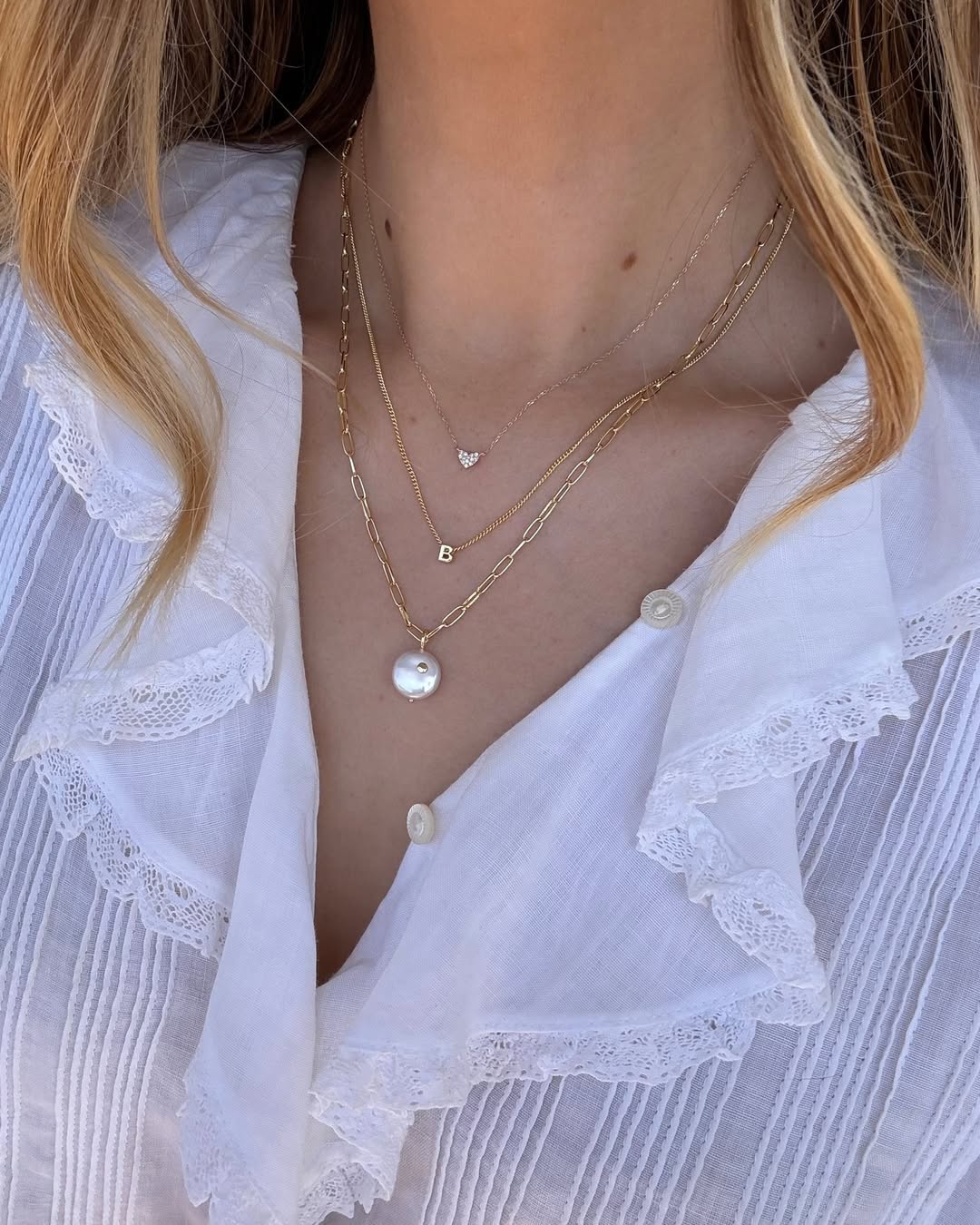
The most desirable pieces are not always the ones noticed first. A chain resting at the collarbone, a slender ring moving with every gesture, a barely-there bracelet disappearing beneath the sleeve of a cashmere sweater: these pieces create a quiet intimacy with the person wearing them. They do not transform a look so much as refine it. They reveal the way someone carries herself, dresses, and moves through the day.
Precious pieces with private meaning
This shift explains the return of symbolic jewelry. Initials, birthstones, medallions, charms, inherited chains, and gifted pieces all carry a sense of story. Value no longer lives only in the metal, the carat, or the designer behind the piece, but in the private connection between object and memory. Like a fragrance tied to a particular chapter of life, intimate jewelry becomes a personal marker. It lasts because it is not entirely dependent on trend.

What the runways reveal about this new discretion
Fashion has been moving in the same direction. At The Row, restraint gives jewelry the role of a precise detail, never an excess. At Saint Laurent, a gold earring or a fine chain can sharpen an all-black look with almost architectural control. Miu Miu plays with more personal signals, somewhere between intellectual ease and vintage reference. Even when major houses embrace drama, the most modern jewelry often appears to be the piece chosen privately, away from the gaze of the room.
The art of building a personal jewelry wardrobe
Wearing intimate jewelry does not mean layering without intention. Elegance lies in coherence: a dominant metal, a chain length that flatters the neckline, a ring that quietly converses with another, a stone whose color echoes the skin tone or the wardrobe. The secret is the balance between permanence and variation. A delicate necklace can remain the anchor, while a slim cuff, a small hoop, or a sculptural ring shifts the mood of an outfit. Jewelry becomes punctuation, never clutter.
Why this trend resonates now
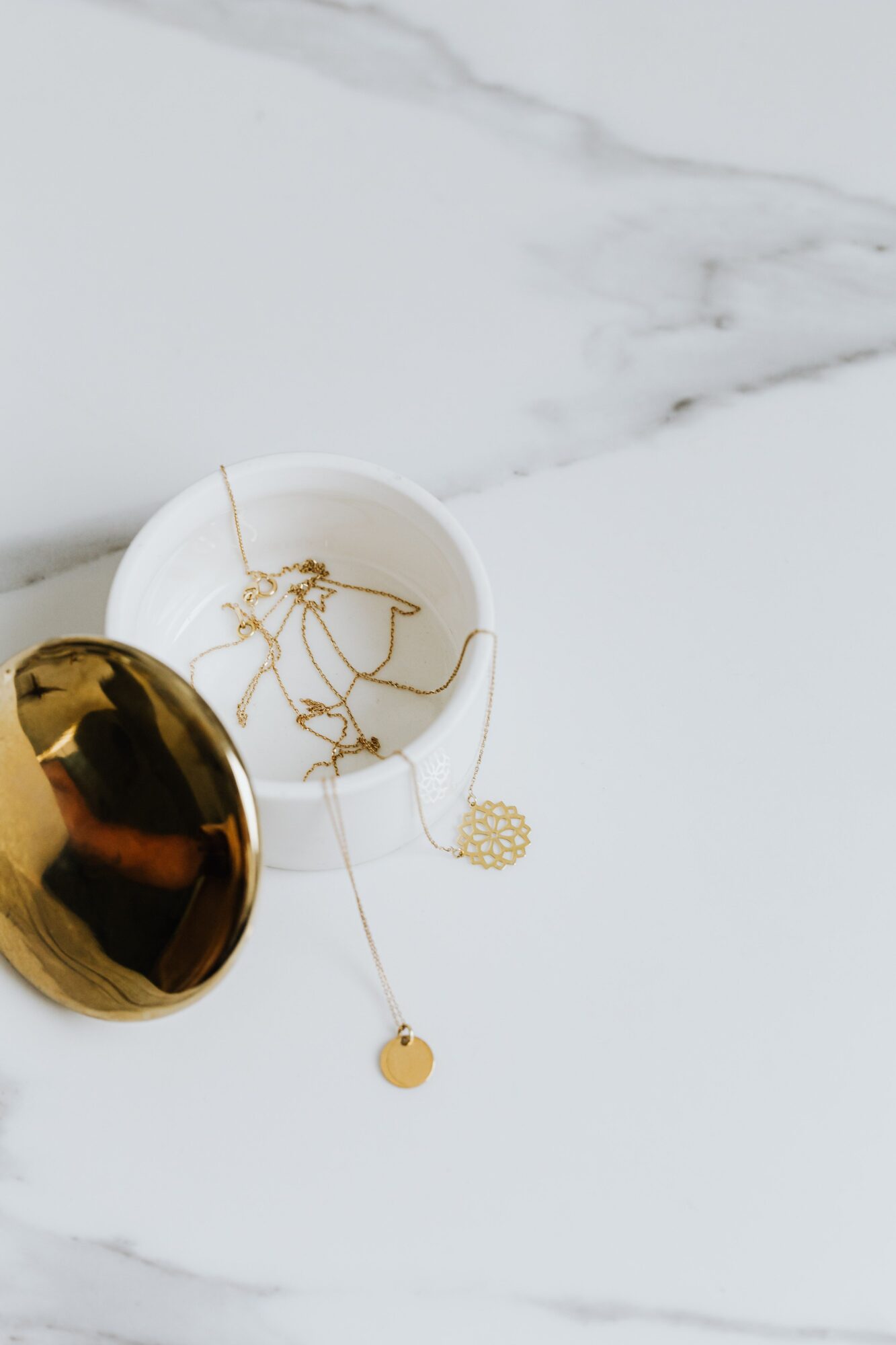
Jewelry is becoming more personal because luxury itself is being redefined around longevity. The most precious pieces are not necessarily the ones saved for an occasion, but the ones worn often enough to become familiar. This shift reflects a broader cultural fascination with gold not only as decoration, but as a form of quiet power, a material that carries both intimacy and authority. They move with a white shirt, a black dress, a masculine blazer, a pair of straight-leg jeans. They outlast the speed of trend cycles because they belong to a more emotional and enduring idea of style.