Self-care: what our rituals say about our time
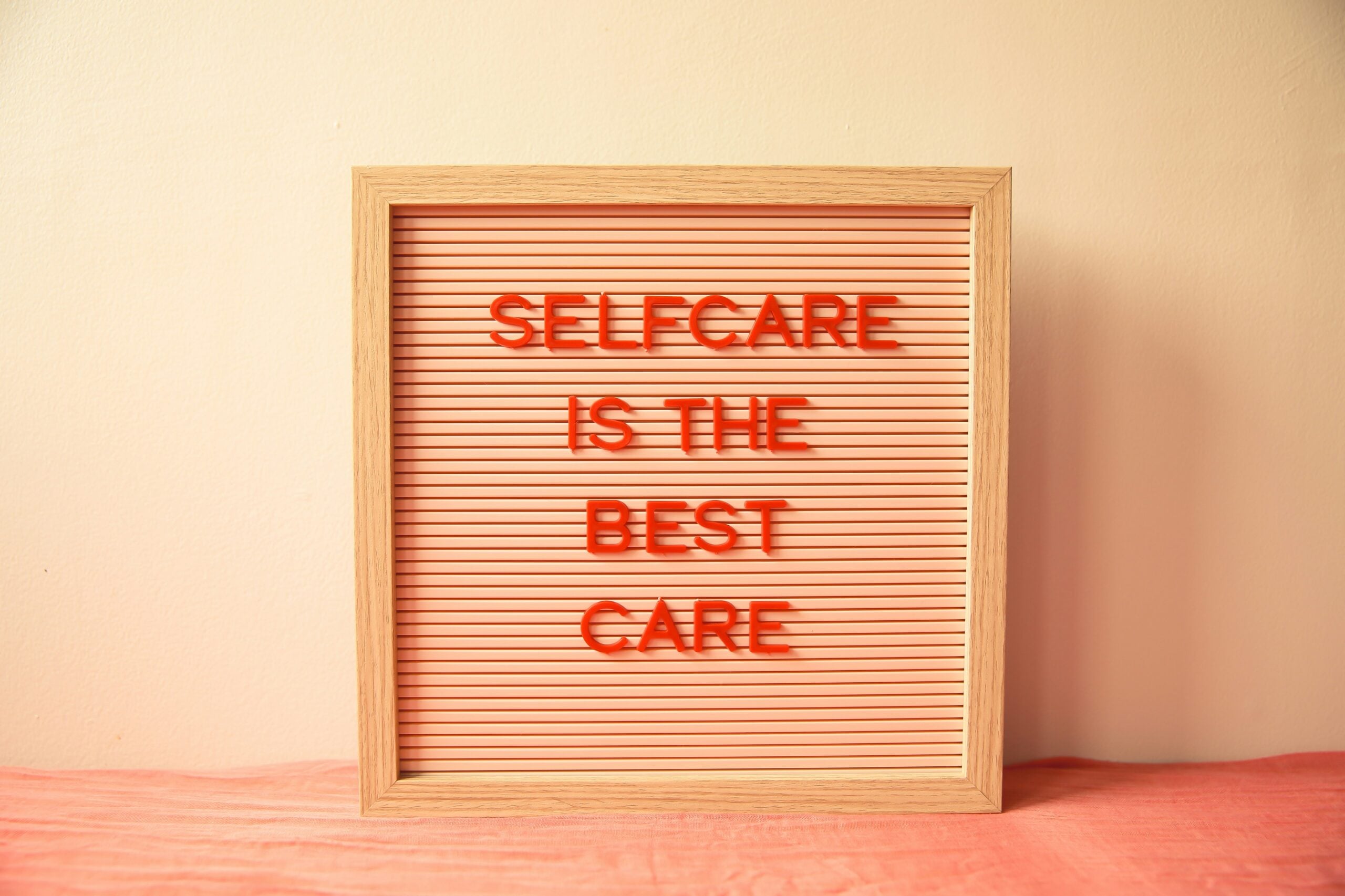
Self-care once came with a familiar set of props: a face mask, a candle, perhaps a Sunday evening bath. Today, the ritual is harder to define. It might begin with SPF and a carefully chosen fragrance, continue with a morning Pilates class, and end with an hour deliberately protected from notifications.
What has changed is not simply the routine, but what we expect from it. Beauty, movement, rest and mental well-being increasingly occupy the same conversation. And as our lives become more connected, the ability to decide where our attention goes has acquired a certain luxury of its own.
When beauty becomes a ritual
Beauty has always been ritualistic. Yet the modern skincare routine has made the idea particularly visible. Korean beauty helped introduce Western audiences to multi-step routines and ingredients such as essences, while Japanese beauty traditions have long favored precision, texture and consistency.
Luxury has embraced the sensorial side of this shift. From Chanel’s Sublimage skincare to Dior’s La Collection Privée fragrances, beauty is increasingly presented as an experience that extends beyond immediate results. Texture, scent, packaging and gesture all matter.
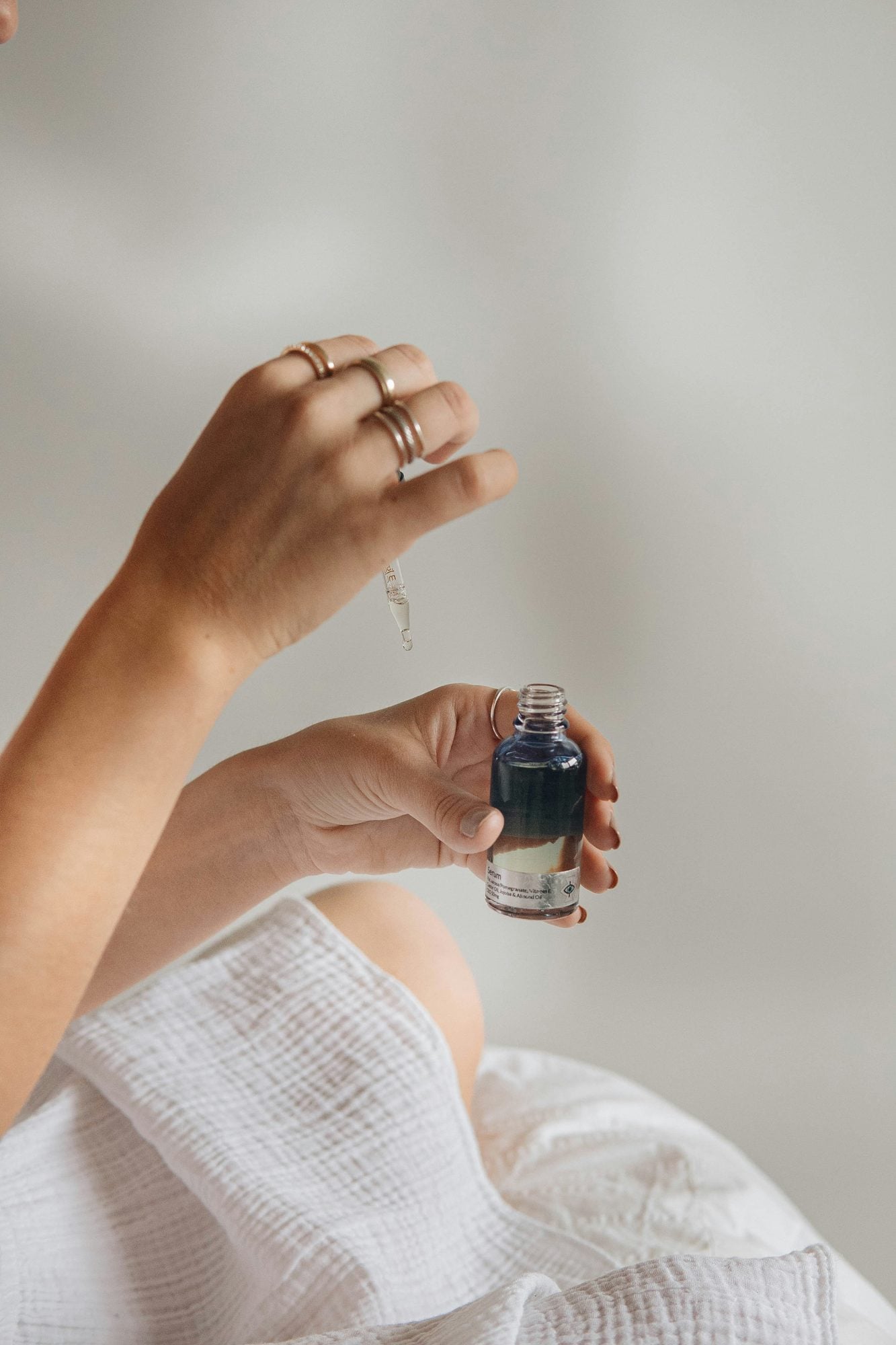
There is something appealingly unhurried about it. Applying a serum slowly or choosing a fragrance before leaving home creates a small transition between one part of the day and the next. In a culture built around efficiency, those few minutes can feel surprisingly indulgent.
Time is becoming the ultimate luxury
Fashion has spent recent seasons reconsidering the appearance of luxury. The conversation around quiet luxury placed exceptional materials, restrained palettes and precise construction ahead of conspicuous logos. The Row’s exacting minimalism and Loro Piana’s devotion to extraordinary fabrics made discretion itself desirable.
Wellness reflects a similar instinct.
An uninterrupted night of sleep, a long walk without a destination or an evening left deliberately unscheduled can feel more coveted than another addition to an already crowded routine. Self-care, viewed this way, becomes an exercise in editing: deciding what deserves time rather than finding more things with which to fill it.
That distinction matters. A twelve-step morning ritual is not inherently more restorative than ten quiet minutes with coffee. Luxury has rarely been about quantity at its most sophisticated.
Mental health finds its place in self-care
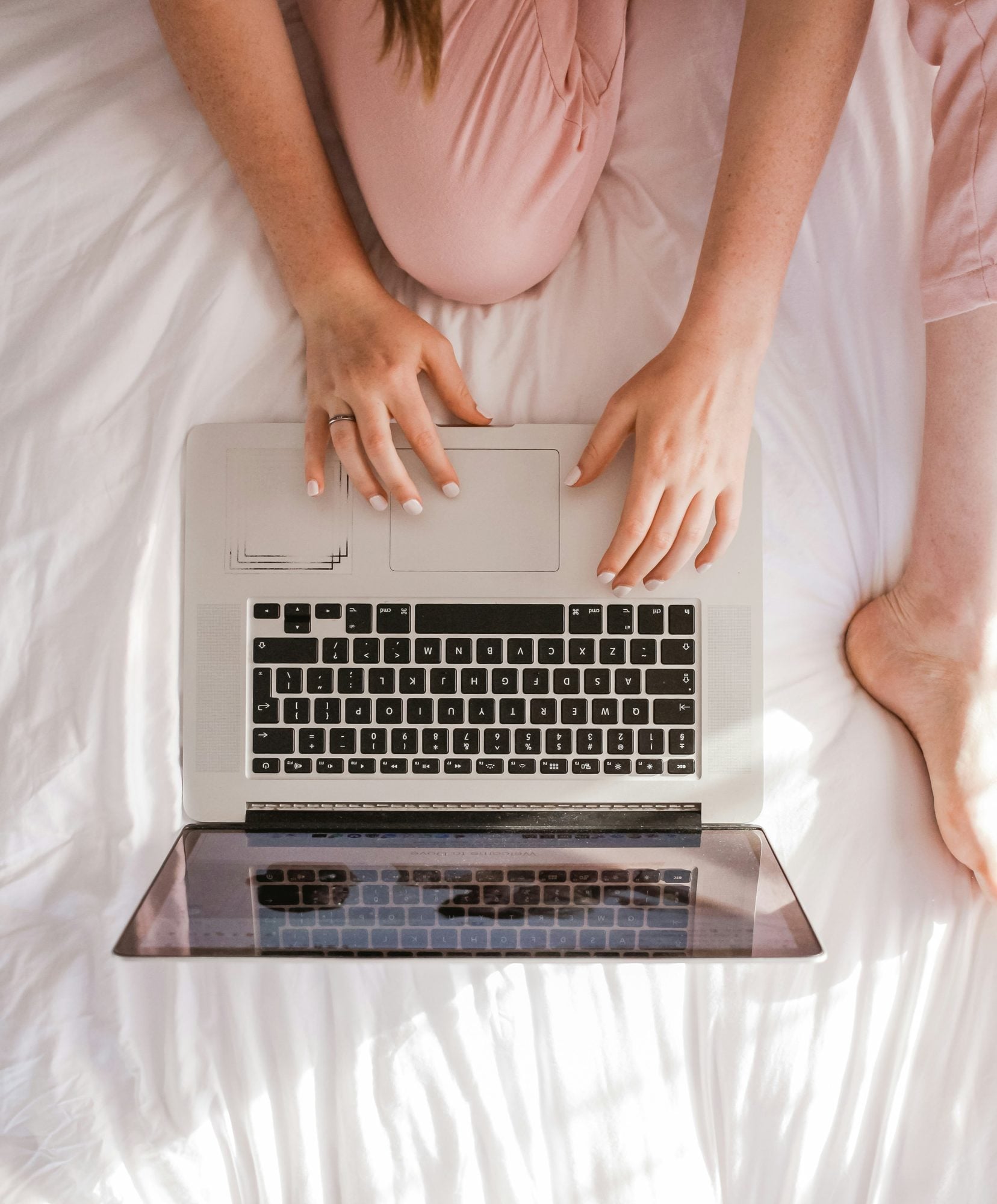
As our idea of self-care has expanded, so has the conversation around mental health. Looking after oneself can mean protecting sleep or making time for movement, but it can also mean recognizing when a conversation with a professional would be useful. For some, that still happens in a therapist’s office; for others, the flexibility of being able to explore Online therapy makes professional support easier to fit around work, travel or home life.
What feels particularly contemporary is not the technology itself, but the way therapy can now sit alongside other forms of care without needing to be framed as a last resort. It is part of a broader move away from treating well-being as something purely physical — or purely aesthetic.
That perspective also brings the limits of the perfectly curated self-care routine into focus. A beautiful serum can make an evening ritual more pleasurable, just as exercise can change the rhythm of a difficult day. Neither has to carry the weight of solving everything.
Wellness has left the studio
The visual language of wellness has become almost inseparable from fashion. Pilates moved from the reformer studio into living rooms and hotel rooms; walking became a ritual with its own wardrobes; technical leggings now coexist with cashmere, oversized tailoring and ballet flats.
The influence works in both directions. Fashion makes wellness more aesthetically considered, while wellness has encouraged wardrobes to become softer and more adaptable. The rise of elevated activewear is perhaps the clearest example: clothing designed for movement no longer necessarily looks as though it belongs exclusively in a gym.
Even the objects surrounding these routines have changed. A yoga mat, water bottle or pair of headphones can now be selected with the same attention once reserved for a handbag. Function remains essential, but design has become part of the pleasure.
The new self-care is personal
Social media gave self-care a remarkably recognizable aesthetic: immaculate bathrooms, matching workout sets, green juices and meticulously documented Sunday resets. The imagery remains seductive, but the rituals that matter most are often the least photogenic.
For some, care may mean an elaborate evening skincare routine. Elsewhere, it looks like therapy, strength training, reading before bed or leaving a phone in another room during dinner. None requires an audience to have value.
Perhaps this is where self-care becomes most interesting. Beneath the products and polished imagery lies a distinctly contemporary desire to regain some control over our attention.
The ritual itself can be beautiful. But the real luxury is having the time, and the freedom, to choose it.