When fashion becomes part of the healing journey
Getting dressed can feel different after a serious illness. A favorite pair of jeans may suddenly seem too restrictive. A silk blouse, once reserved for special occasions, might become an everyday indulgence. Even the simplest wardrobe decisions can take on new meaning when the body is changing. Yet personal style doesn’t have to disappear during recovery. Sometimes, it evolves into something more considered, shaped by comfort, individuality, and a renewed appreciation for the clothes that make us feel like ourselves.
Rediscovering comfort and confidence through clothing
Recovery can change the way fabrics feel against the skin. A fitted waistband may press against a sensitive area, while a stiff collar or structured seam can become an unwelcome distraction. These small considerations often inspire a different approach to dressing, one that favors ease without abandoning sophistication.
It’s a sensibility reflected in the quiet luxury of The Row, where generous proportions and impeccable tailoring create an effortless silhouette. Loro Piana offers another interpretation, pairing exceptionally soft cashmere with understated designs that prioritize the experience of wearing beautiful clothes.
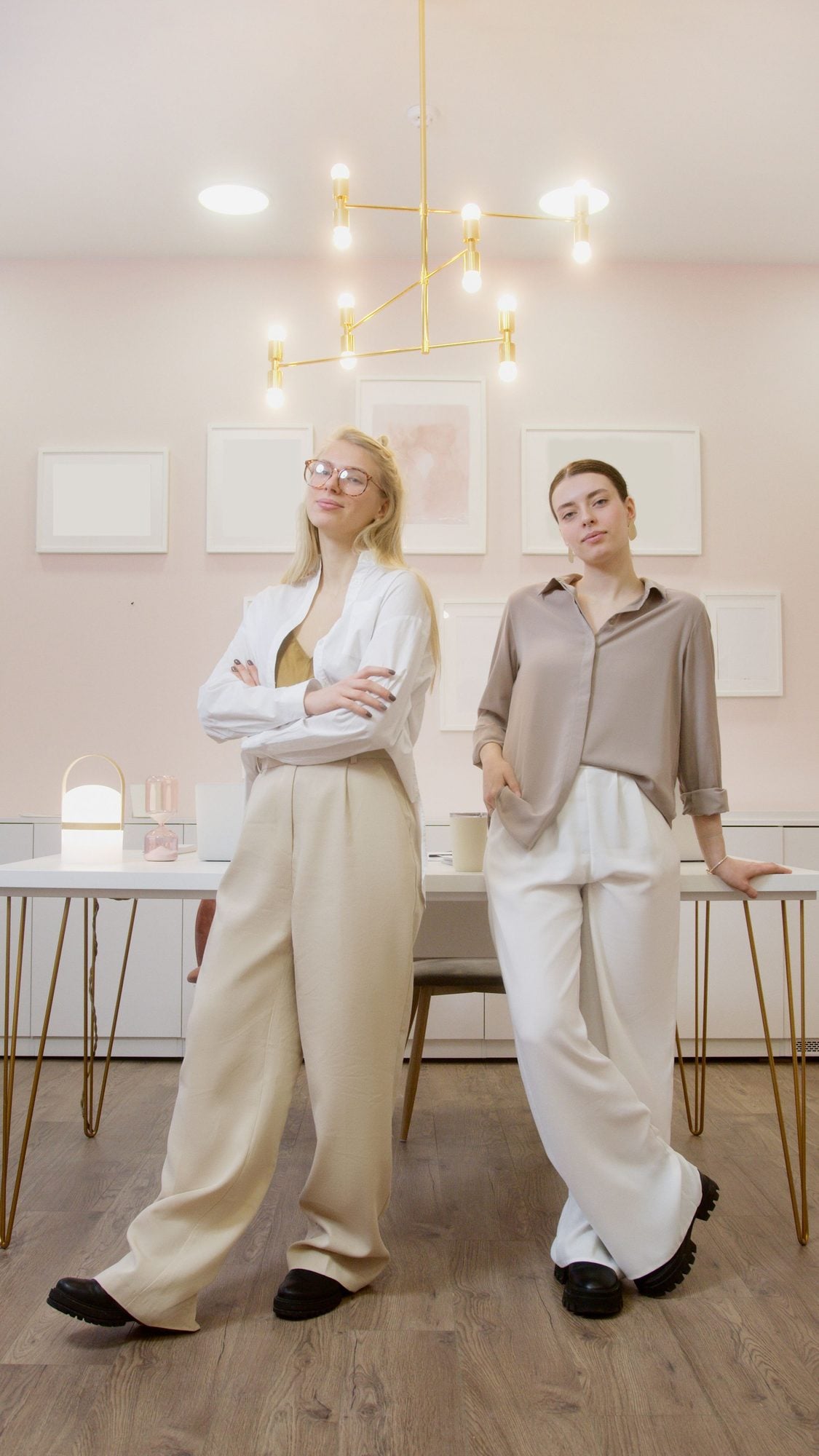
A relaxed cotton shirt, fluid trousers, or an unstructured knit can feel every bit as polished as more formal pieces. The difference lies in choosing clothes that work with the body rather than against it.
How medical experiences can reshape everyday life
The effects of medical treatment rarely end when an appointment does. Fatigue, skin sensitivity, and physical changes can linger, influencing everything from daily routines to personal wardrobe choices.
Some complications require further medical attention, including treatment with antibiotics when a bacterial infection is diagnosed and medication is appropriate. Recovery may also involve managing surgical scars, temporary movement restrictions, or discomfort around treatment sites.
In practical terms, a button-front shirt can make dressing easier when shoulder movement is limited. A loose-fitting dress may feel gentler against sensitive skin, while a lightweight cardigan provides warmth without the weight of a structured jacket.
These adjustments aren’t about giving up on style. They’re about making room for it in a changing daily life.
Rebuilding a sense of self after medical complications
For patients undergoing long-term treatment, unexpected complications can make recovery especially demanding. Implanted medical devices, including certain vascular access catheters, may occasionally fracture or migrate, potentially requiring additional procedures and prolonged medical supervision.
Such experiences can raise questions that extend beyond immediate treatment, particularly when device safety and manufacturer responsibility are involved. In the United States, information about an AngioDynamics lawsuit may help affected patients understand potential legal considerations surrounding certain implanted catheter complications.
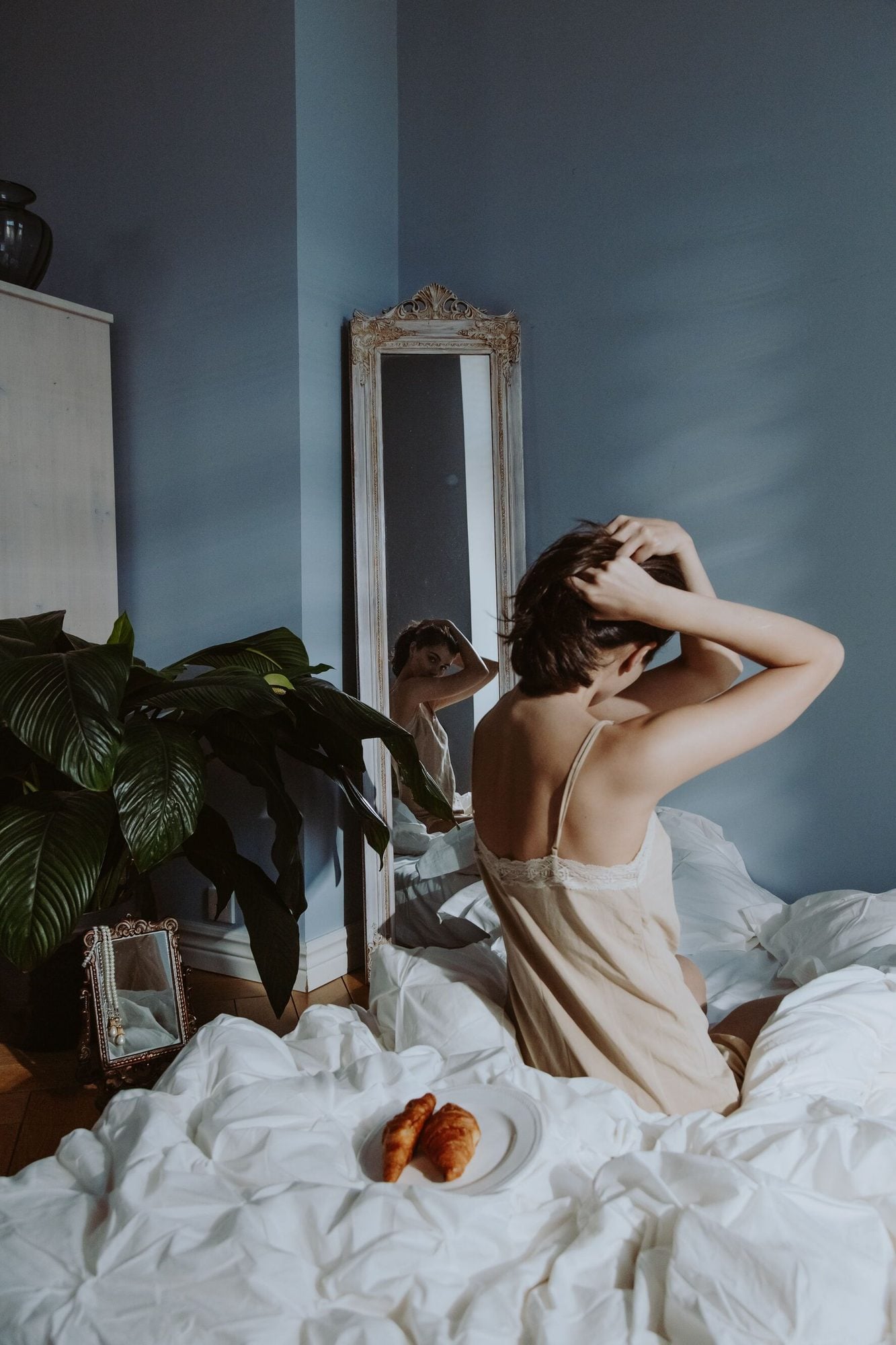
Alongside medical care and practical decisions, familiar rituals can offer a sense of continuity. Choosing a favorite sweater, wearing a meaningful piece of jewelry, or simply taking pleasure in an outfit can become a way of maintaining personal identity through an unfamiliar experience.
The art of dressing well without sacrificing comfort
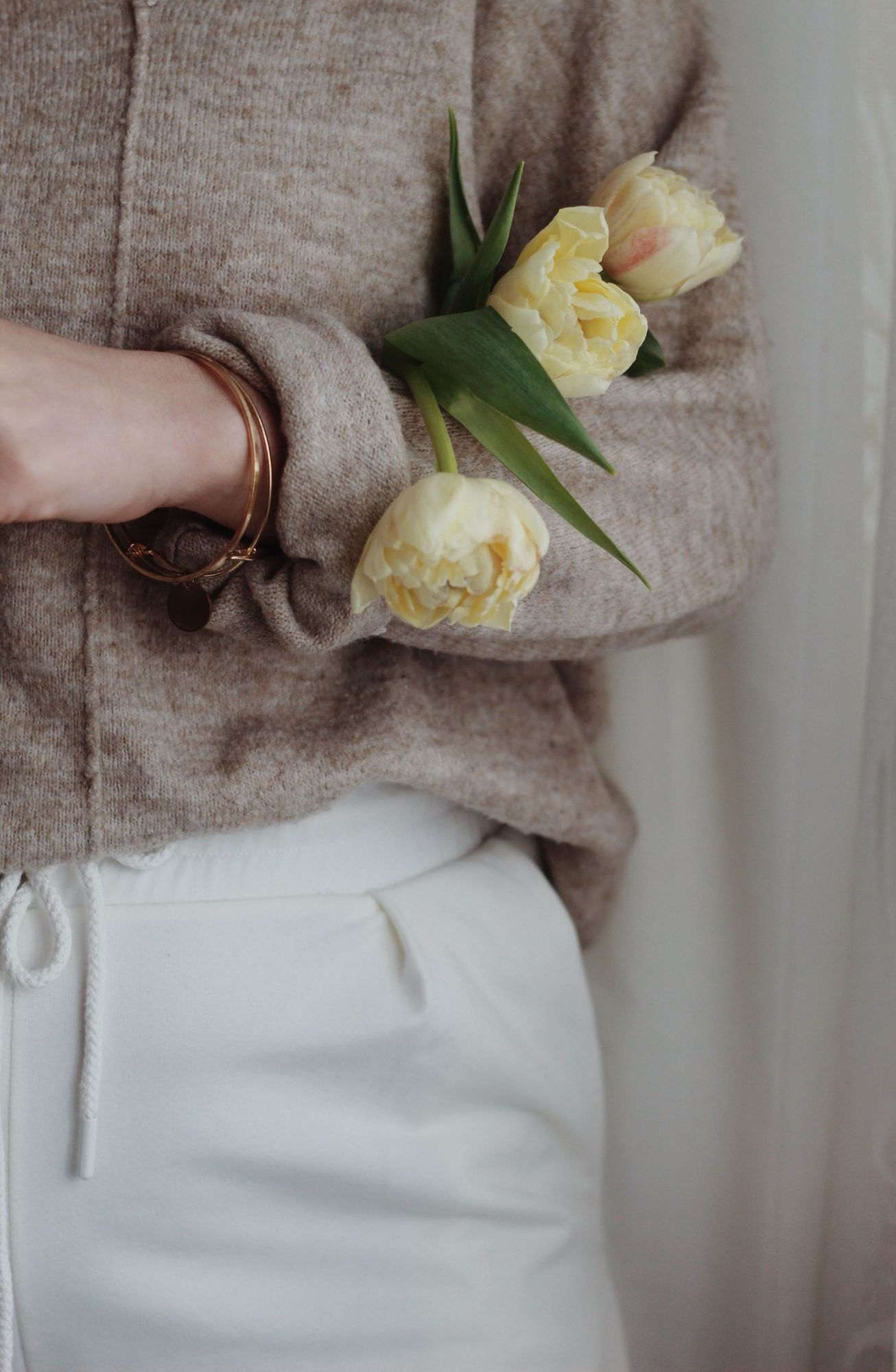
A thoughtfully edited wardrobe doesn’t need to choose between comfort and refinement. The most versatile pieces often achieve both through careful proportions, quality fabrics, and an understanding of how clothing moves with the body.
Toteme’s restrained Scandinavian aesthetic offers a compelling reference. Its clean tailoring, relaxed separates, and muted palette make a case for understated dressing that never feels careless.
Consider wide-leg trousers paired with a fine-gauge cashmere sweater, or an oversized poplin shirt worn over a softly draped skirt. Both combinations create visual interest through texture and proportion rather than restrictive construction.
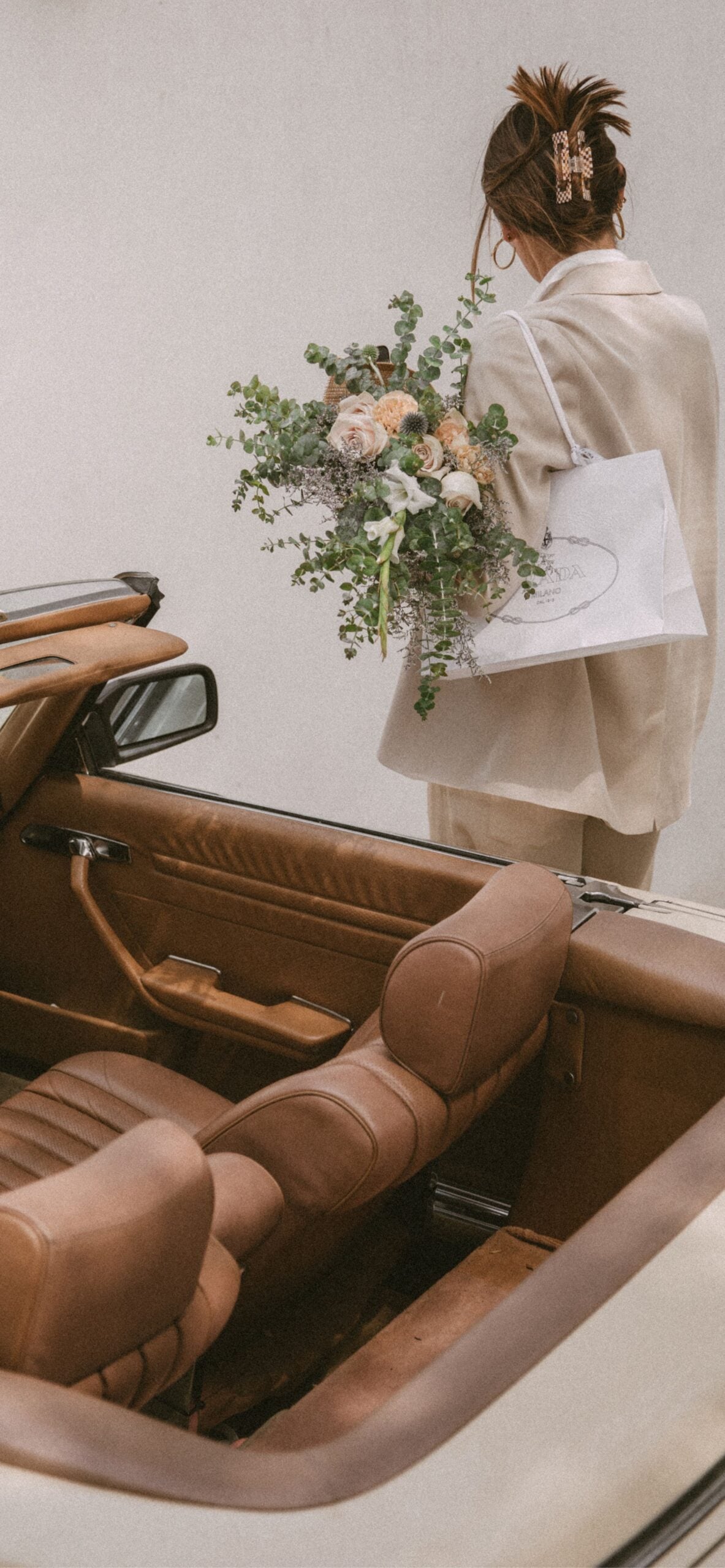
Accessories can provide another point of expression. Sculptural gold earrings, a vintage silk scarf, or a beautifully made leather bag can transform even the simplest outfit into something distinctly personal.

Finding your personal style again, on your own terms
There is no single way to dress after a life-changing experience. Some women return to the pieces they’ve always loved. Others find themselves drawn to softer tailoring, unfamiliar colors, or silhouettes they might once have overlooked.
Neither approach is more authentic than the other. Personal style has never been a fixed collection of rules; it changes with our lives, preferences, and the way we want to present ourselves.
Perhaps the most compelling wardrobe isn’t the one that takes us back to who we were, but the one that makes room for who we are becoming.