Knitting: The New Star of Ethical Fashion
This publication is also available in:
 Français
  English (UK)
  Deutsch
  Italiano
  Español
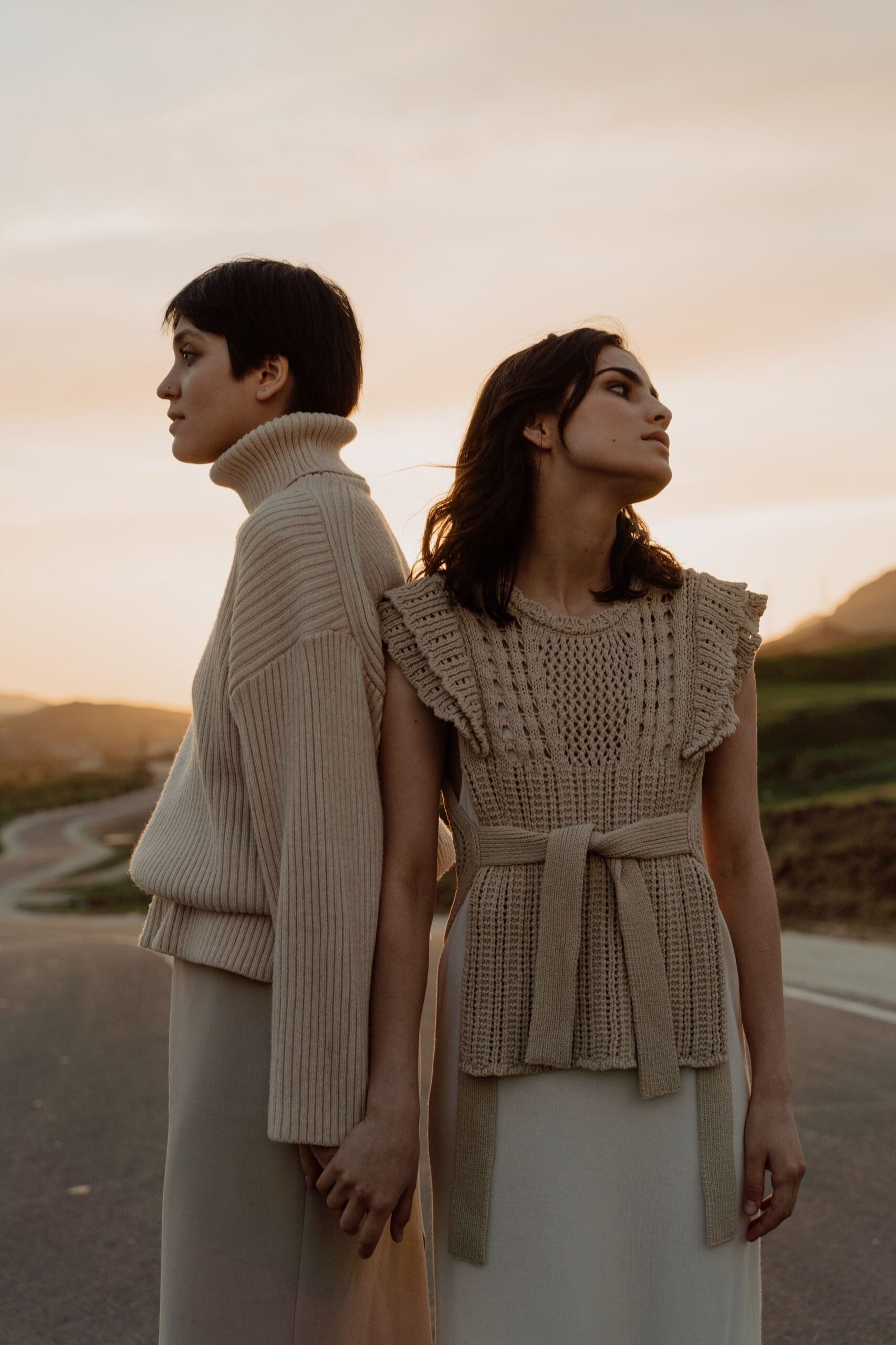
Generous knits, soft volumes, vests worn in layers, and hoods framing the face: knitting has established itself at the heart of contemporary wardrobes. However, its appeal goes beyond mere trend. As the desire for more personal and thoughtfully chosen clothing grows, handmade garments are finding new relevance. Knitting allows one to choose a color, a texture, a cut, but also to reconnect with what gives value to a piece: the material, the gesture, and the time.
From Knit Trend to Handmade Wardrobe
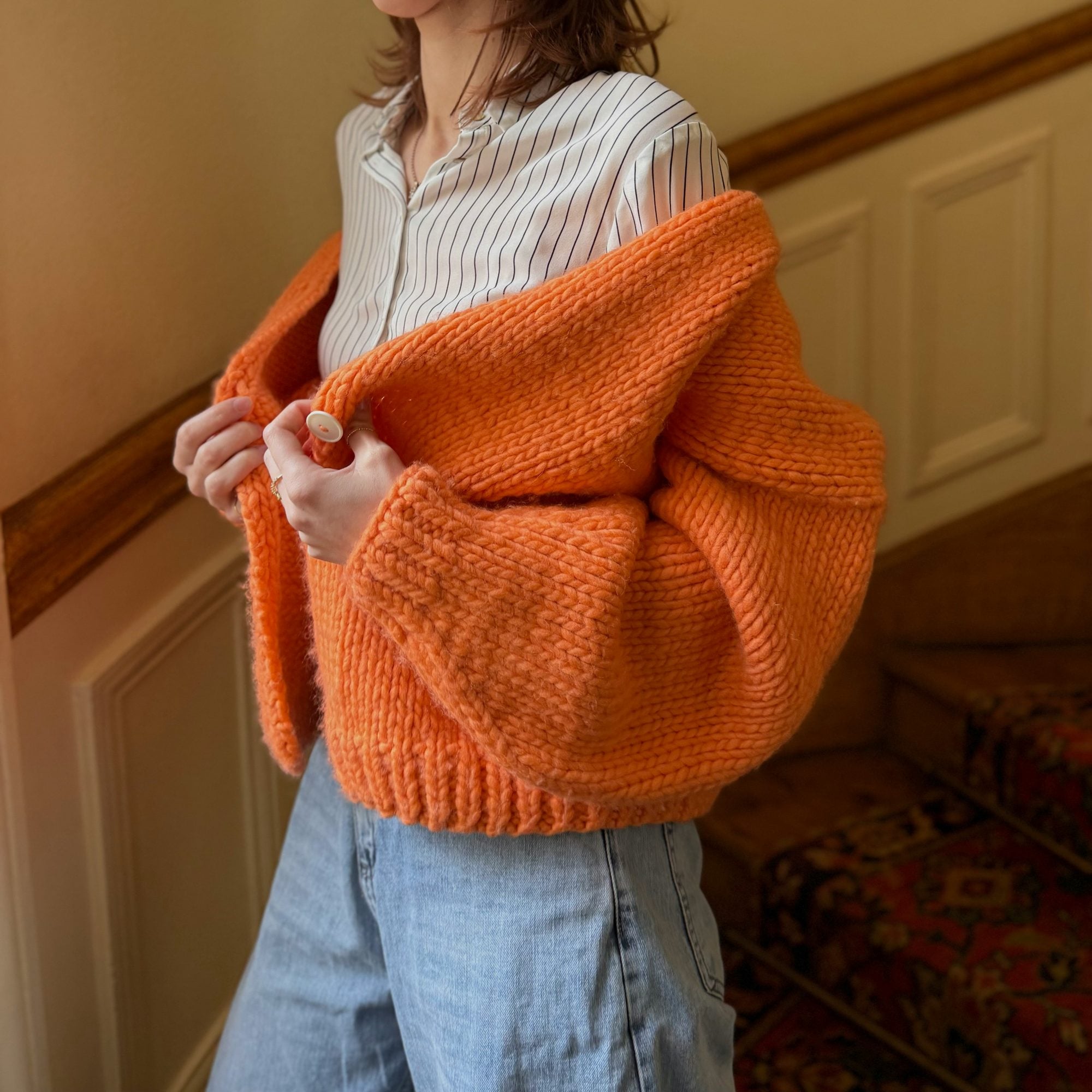
Knitwear has never truly left the collections, but it now plays with more pronounced proportions. Chunky sweaters with enveloping shoulders, generous cardigans, sleeveless vests, and knitted hoods add texture and depth to silhouettes. A thick knit is enough to warm up a very tailored pair of trousers; a textured vest transforms a white shirt; a loose cardigan softens the severity of a long coat.
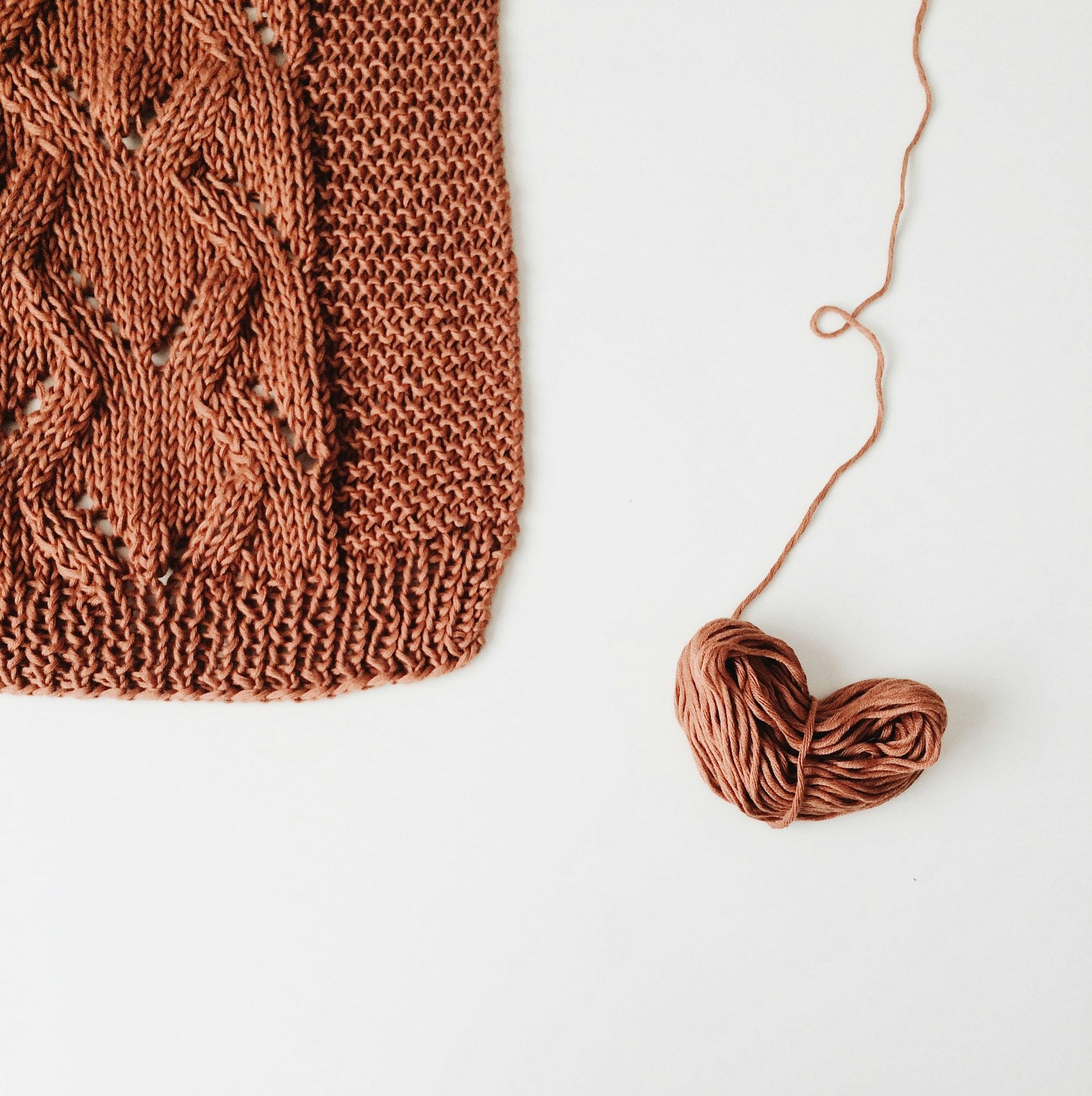
DIY naturally extends this desire for uniqueness. To interpret these codes rather than reproduce them, the choice of beautiful wool skeins is essential: the fiber, its thickness, and its flexibility determine the touch, volume, and drape of the garment. Then comes the freedom of handmade. Lengthening a sleeve, choosing a less expected shade, or accentuating a volume allows for the creation of a piece that looks unlike any other.
When Knitting Adopts the Tempo of Slow Fashion
Making a sweater takes time. This is precisely what makes the gesture so relevant today. In contrast to a wardrobe renewed at the pace of micro-trends, knitting requires choosing before producing: a model, a material, a color, and then finishes that one will want to wear for a long time.
This temporality also alters our relationship with clothing. A piece constructed stitch by stitch is chosen less impulsively, maintained with more attention, and can be repaired when it shows the first signs of wear. Slow fashion here takes on a very concrete form: less accumulation and more consideration for what we wear.
Material: The First Luxury of a Knitted Piece
In a knitted garment, the material is not just pleasant to the touch: it shapes the silhouette. An airy thread creates lightness, a more structured wool highlights the twists, while a chunky gauge immediately gives character to the volumes. The choice of thread thus becomes a true stylistic statement.
This attention to material also brings certain French know-how back into the conversation. A historic brand based in Lorraine, Bergère de France is the last major industrial spinning mill for knitting yarn in France. This connection to French manufacturing resonates with contemporary concerns about sourcing, the quality of materials, and more responsible textile creation. These criteria have become particularly relevant when the goal is precisely to make less, but to make better.
Create Rather Than Follow: The New Tailored Chic
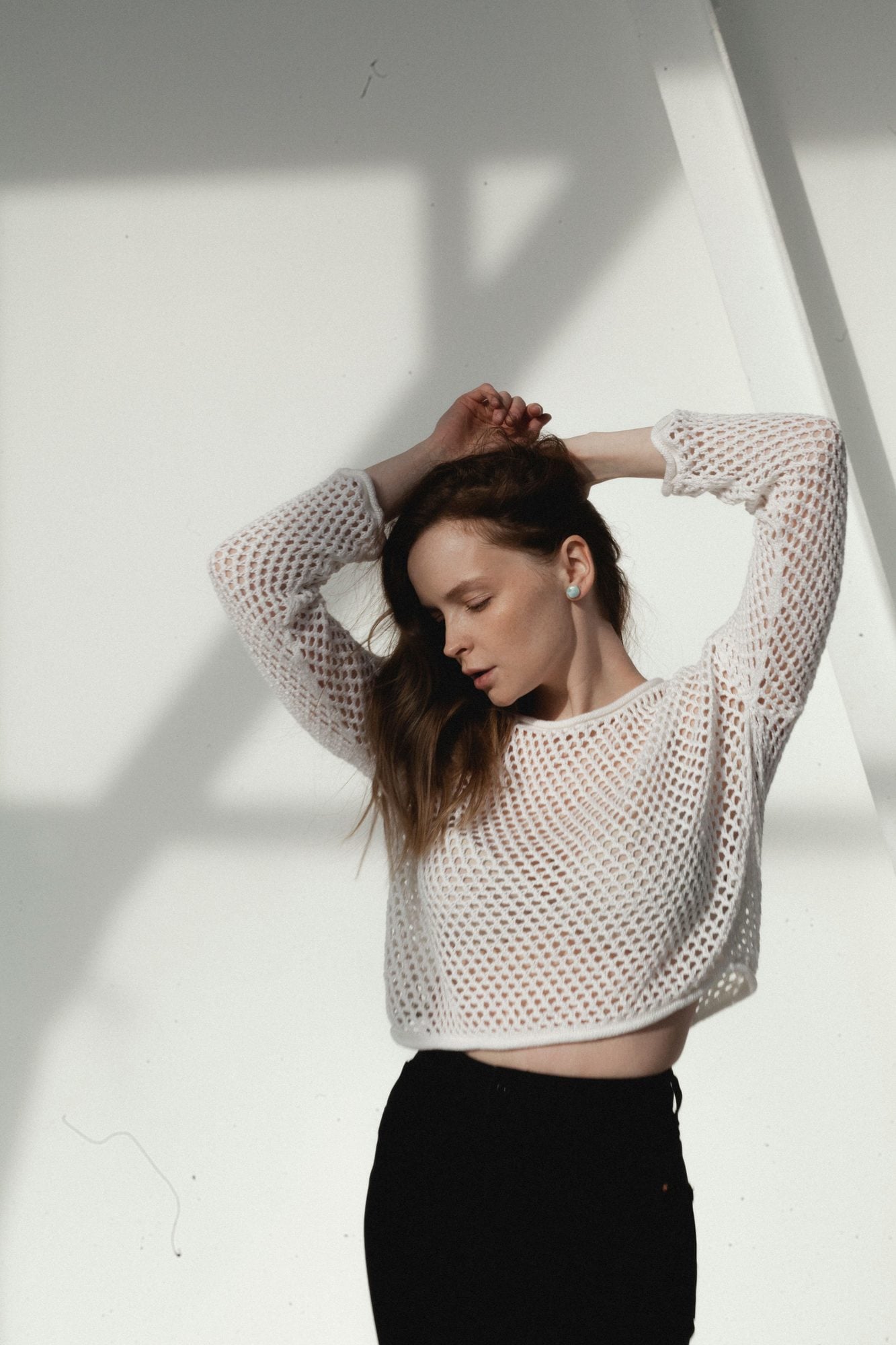
The true privilege of knitting perhaps lies in this almost total freedom. A neckline can be redrawn, a cardigan shortened, a sleeve amplified, a color chosen to closely match one’s wardrobe. Where ready-to-wear offers a finished silhouette, handmade still leaves room for interpretation.
This possibility gives knitting a dimension that goes beyond simple DIY. Contemporary luxury is also reflected in the time dedicated to objects, the knowledge of materials, and the mastery of a gesture. A handmade sweater carries these values precisely: it does not seek to follow every novelty, but to find its place sustainably in the wardrobe. A discreet and decidedly modern way to place uniqueness at the center of fashion.