Between Fast Fashion and Second Hand: A Look Back at the Success of Online Fashion
This publication is also available in:
 Français
  English (UK)
  Deutsch
  Italiano
  Español
In recent years, the online fashion industry has experienced a phenomenal rise, closely linked to the emergence of e-commerce. Fashion items were indeed among the first to be offered on online sales platforms. Over time, the concept of fast fashion has taken the reins of this industry, but its potentially harmful repercussions cannot be ignored. This is how second-hand has become a central concern, even sparking increased enthusiasm for what is now called the “second-hand revolution.” Today, this market is entirely digitized thanks to the proliferation of dedicated platforms, enhancing our environmental awareness. Is fast fashion disappearing in favor of second-hand?
The Meteoric Rise of Online Fashion
In the current era, the Internet has become the primary channel for transactions, revolutionizing the way we shop, regardless of the nature of the items. This transformation has catalyzed the development of various sectors, with fashion at the forefront.
The Origins of Online Fashion
For several years now, e-commerce has established itself as a privileged space for both fashion creators and distribution companies, offering an invaluable platform for promoting and selling their products. This virtualization of the fashion universe has paved the way for optimal product exposure, allowing buyers to scrutinize every aspect that interests them. The online fashion sector has thus experienced spectacular growth, notably marked by the emergence of fast fashion.
Despite some excesses, shopping sites like Amazon still embody the accessibility of commerce to a diverse audience. These platforms offer consumers the convenience of shopping at any time of day or night, an advantage widely embraced in daily life.
However, it is imperative that our consumption patterns evolve with a focus on environmental respect, recognizing the need for more sustainable practices for the future.
The Dark Side of Fast Fashion
Fast fashion embodies a form of hyper-consumption that has profoundly reshaped our economic model, becoming the focal point of a major economic transformation. The term “fast fashion” first emerged in the 1990s. The arrival of brands such as Zara and H&M in France marked the beginning of the mass production of low-quality clothing, a scheme based on economies of scale. The fashion industry seized this opportunity and rode the wave of success. Indeed, these brands renew their collections monthly, encouraging consumers to buy frequently. This acceleration of purchasing desire also pushes consumers to part with their old clothes to acquire new ones.
However, the environmental repercussions of this model are considerable. The transformation of raw materials into fabric generates a significant amount of toxic waste, which, as you know, is extremely detrimental to our planet.
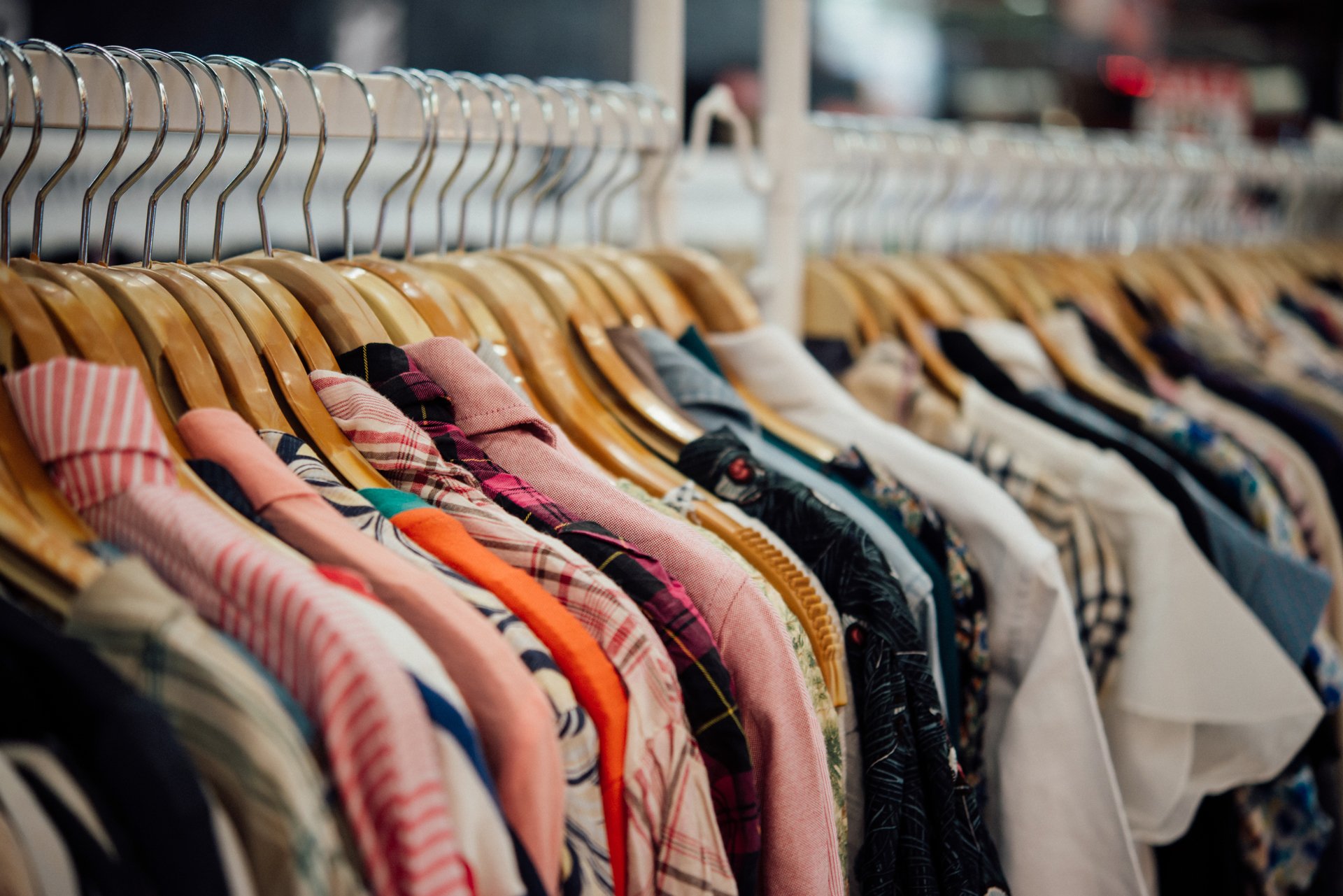
The Second-Hand Revolution
In response to the rise of fast fashion, the second-hand market, and notably sustainable fashion, is also developing and attracting an increasing number of consumers.
Digitalization of the Market
The digitalization of the second-hand market has significantly popularized the purchase of second-hand clothing in all its forms. Numerous platforms such as Leboncoin and Vinted have placed second-hand at the heart of their offerings. In recent years, they have experienced exponential growth. Leboncoin stands out as a major player in the second-hand market, while the Vinted app emerges as its main competitor. With millions of users and around 400,000 items added every day in France, Vinted now reaches an audience of all ages. Moreover, new platforms of this type are regularly emerging.
Reinforcement of Ecological Awareness
After the oil sector, the fashion industry ranks as the second most polluting industry, and it has become evident that buyers are increasingly aware of this reality. Each individual, in their own way, strives to contribute to the preservation of our environment. Indeed, the majority of customers frequenting second-hand platforms express their ecological concern as their main motivation. In the face of the urgency of the climate crisis, protecting the environment must remain an undeniable priority.