Behind the making of a luxury garment
A luxury garment is not defined by its price tag or its runway moment. Its value is shaped long before the spotlight—through instinct, restraint, and a series of decisions that rarely announce themselves. What ultimately hangs in a wardrobe is only the visible result of a much quieter process, one where intention, not excess, sets the standard.
The first instinct
Every piece begins with a feeling. Not a product brief, not a market demand—but a visual idea. A silhouette that lingers. A reference pulled from an archive. A tension between masculinity and softness, structure and ease. Creative directors sketch not to finalize, but to search. At this stage, the garment is fluid, unresolved, still finding its voice.
This early freedom is essential. But it doesn’t last.

Fabric changes everything
In luxury fashion, fabric is never neutral. A dense wool commands authority. A silk introduces movement. A leather softens—or sharpens—depending on how it’s treated. Materials don’t simply support design; they actively shape it.
Once fabric enters the conversation, the garment starts making decisions of its own. Lines are adjusted. Volumes shift. What looked effortless on paper must now perform in real space, on a real body. This is where intention meets reality.

The fitting room tells the truth
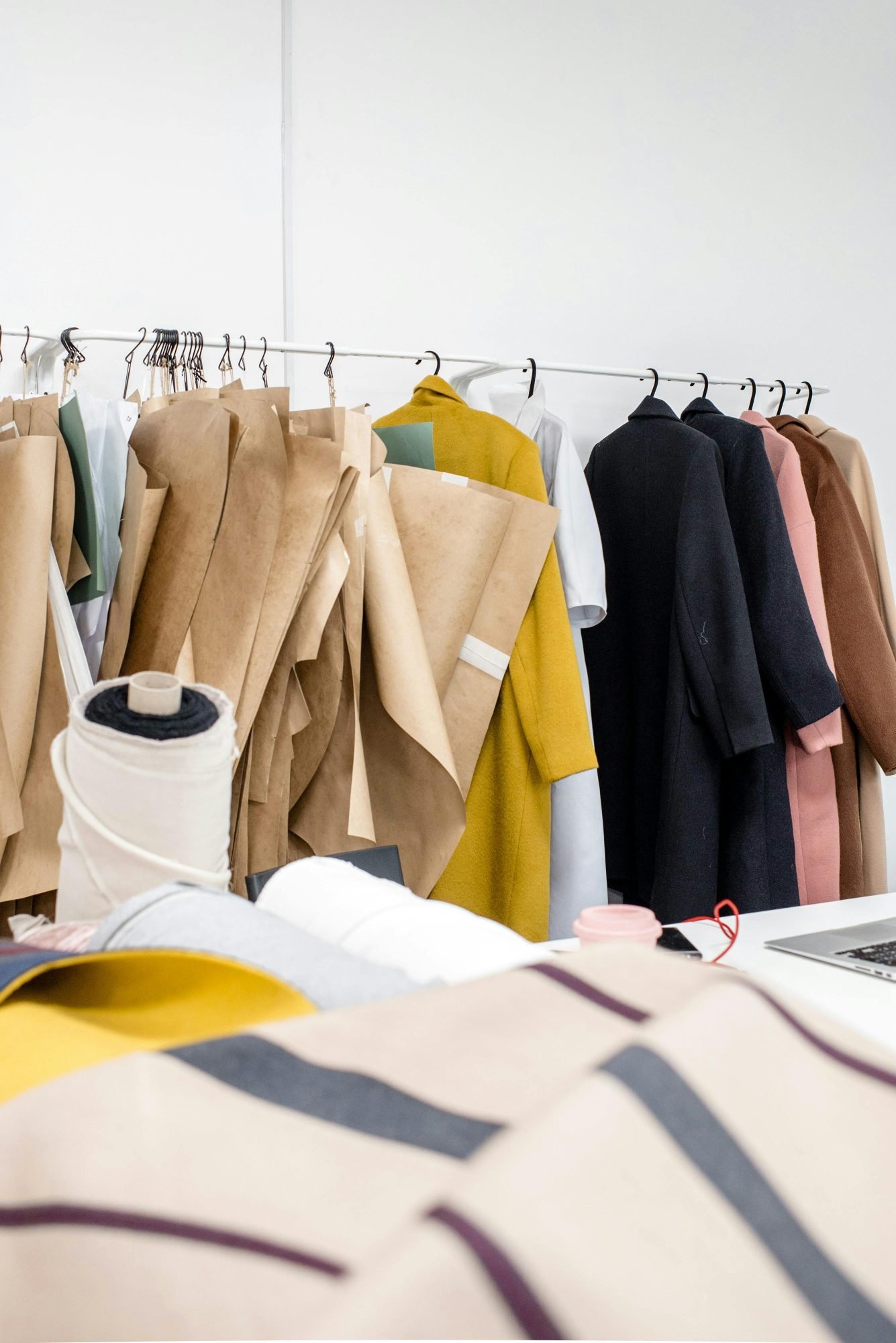
This is where theory gives way to evidence. Early prototypes reveal what sketches cannot predict: tension in a shoulder, imbalance in a hemline, a proportion that feels off once worn. This phase—known in the industry as sampling—is where garments are tested, challenged, and refined before they are ever approved.
Each iteration brings clarity, stripping away what doesn’t work and reinforcing what does. Some designs never move beyond this stage. Others sharpen with every adjustment, gaining confidence through precision.
When design becomes law
Once a garment is approved, flexibility disappears. Proportions, finishes, construction details—everything is locked. The piece is no longer an experiment; it becomes a reference. At this stage, brands also begin preparing the garment for retail reality. Decisions extend beyond design to systems: labeling, size breakdowns, and even creating barcodes for products, ensuring each variation can be accurately identified, tracked, and sold.
This transition marks a critical shift. Creativity hands control over to structure, allowing the garment to exist consistently beyond the studio.
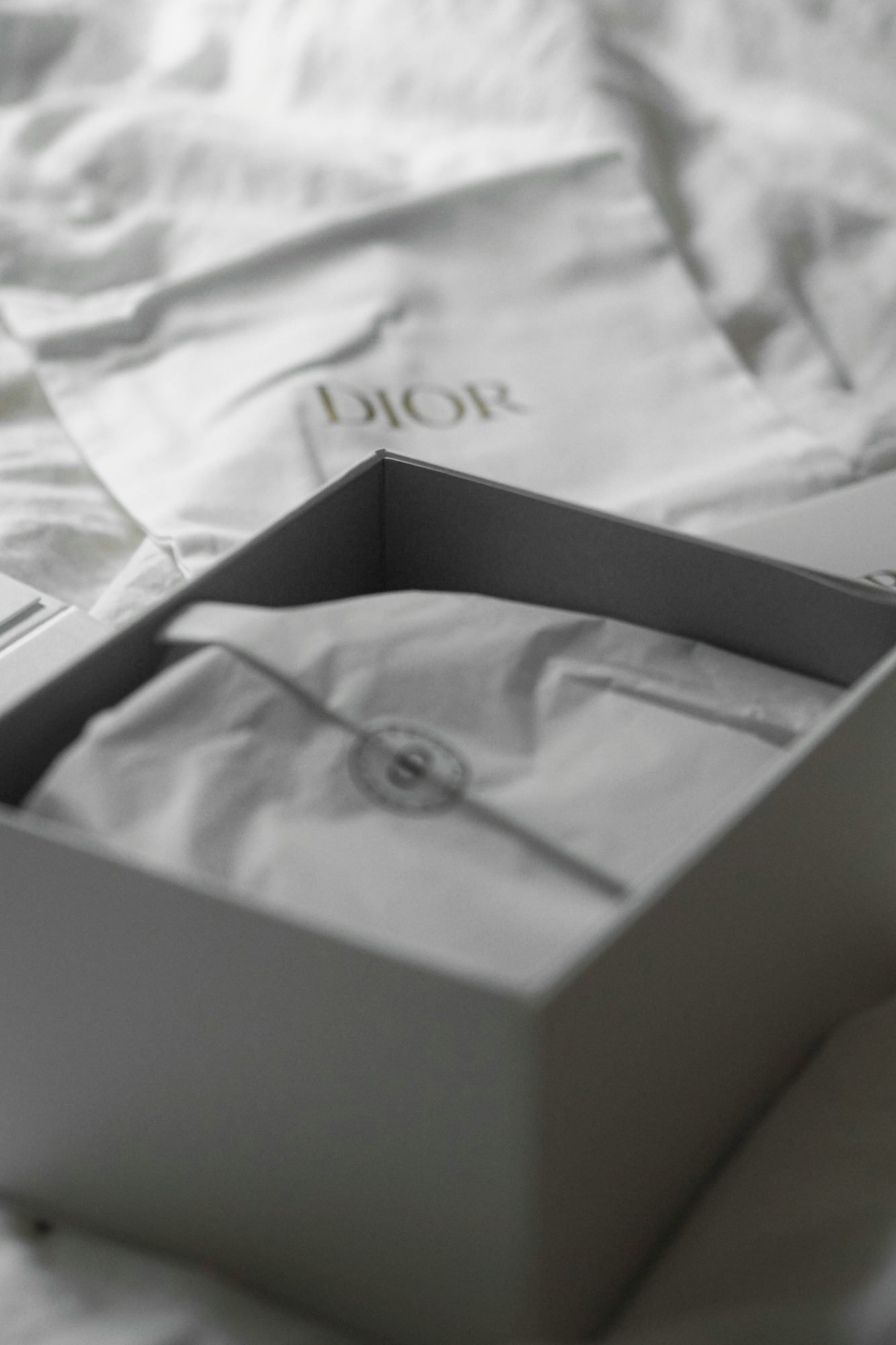
Precision over spectacle
Production, at this level, is not about speed. It’s about discipline. Each piece must mirror the approved model—cut, assembled, and finished with consistency. Craftsmanship here is quiet, methodical, deeply skilled.
The most successful luxury garments are rarely the loudest. Their strength lies in balance, in restraint, in details that reveal themselves only over time.

The final gesture
Before a garment ever reaches a closet, it undergoes a final inspection—a last, essential checkpoint where measurements, finishes, labeling, and presentation are carefully reviewed. This moment is less about aesthetics than accountability. It ensures that what leaves the atelier matches what was approved, promised, and expected.
These final gestures may go unnoticed by the wearer, but they shape trust. They confirm that nothing was rushed, and nothing overlooked.
Why it matters
Luxury is not accidental. It is designed, tested, corrected, and protected at every stage. Understanding what happens behind the making of a luxury garment changes how it is worn—and why it lasts.
What we respond to, instinctively, is not just beauty. It’s coherence. The sense that every decision, visible or not, was made with intention. That is what transforms a garment into something worth keeping.