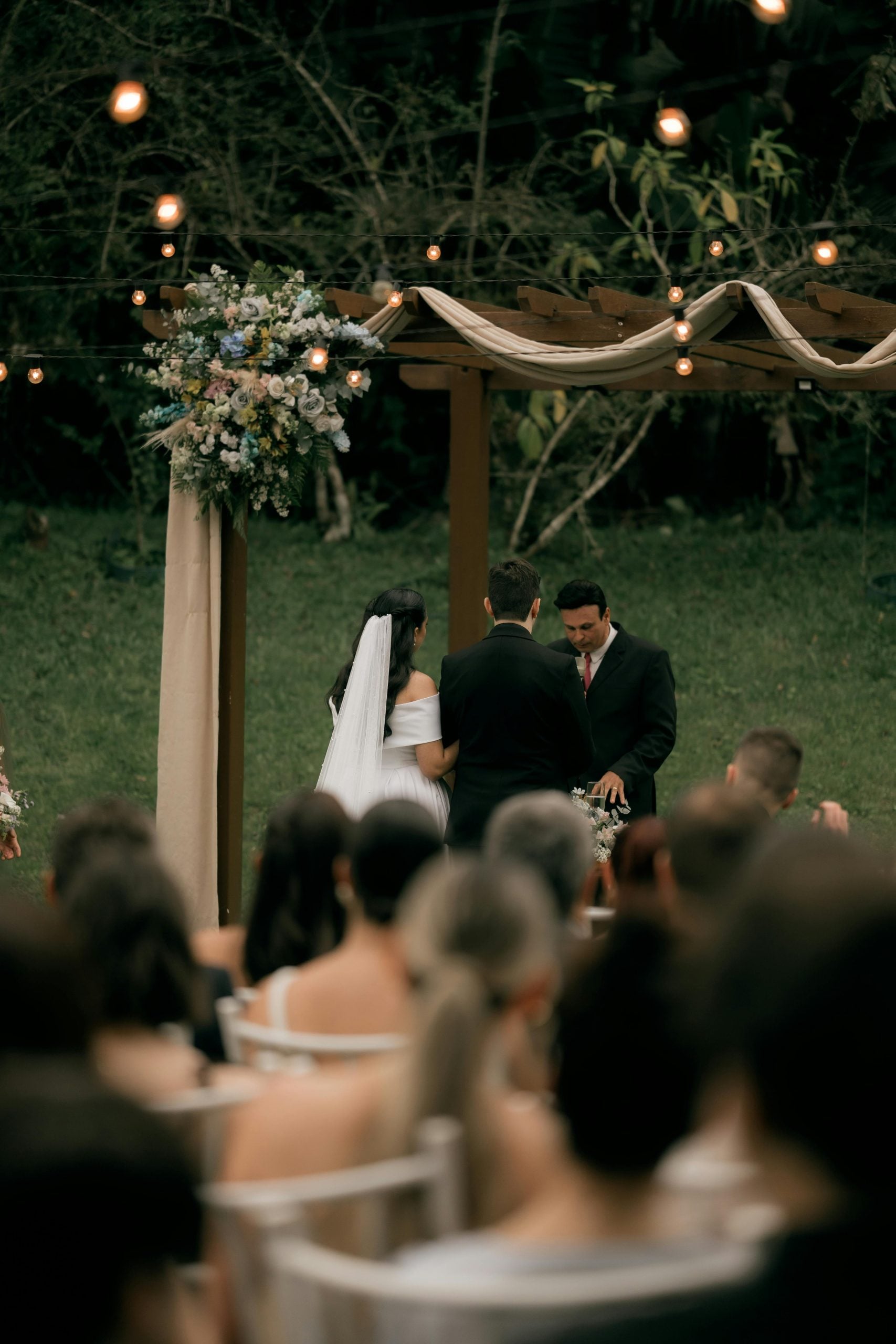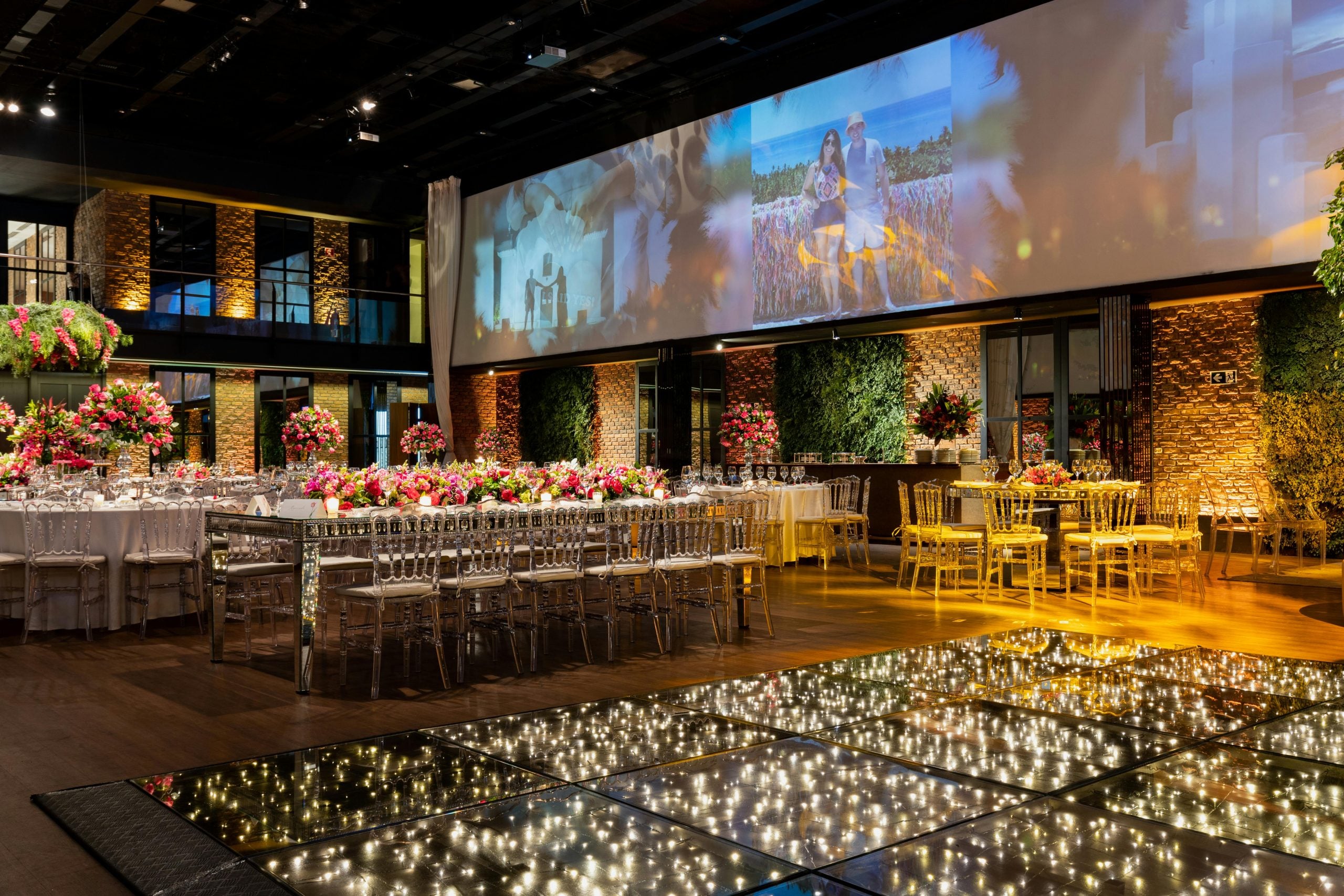
Haute couture wedding invitations: the new face of modern romance
Before the gown, before the venue, even before the vows, there’s that first moment — an envelope sealed with care, a name in calligraphy, the soft texture of paper beneath the fingertips.
A wedding invitation isn’t just information; it’s emotion, style, and anticipation captured in print. Once a formality, it’s now the opening act of the celebration — a statement piece that sets the tone long before the aisle.
Paper as a style statement
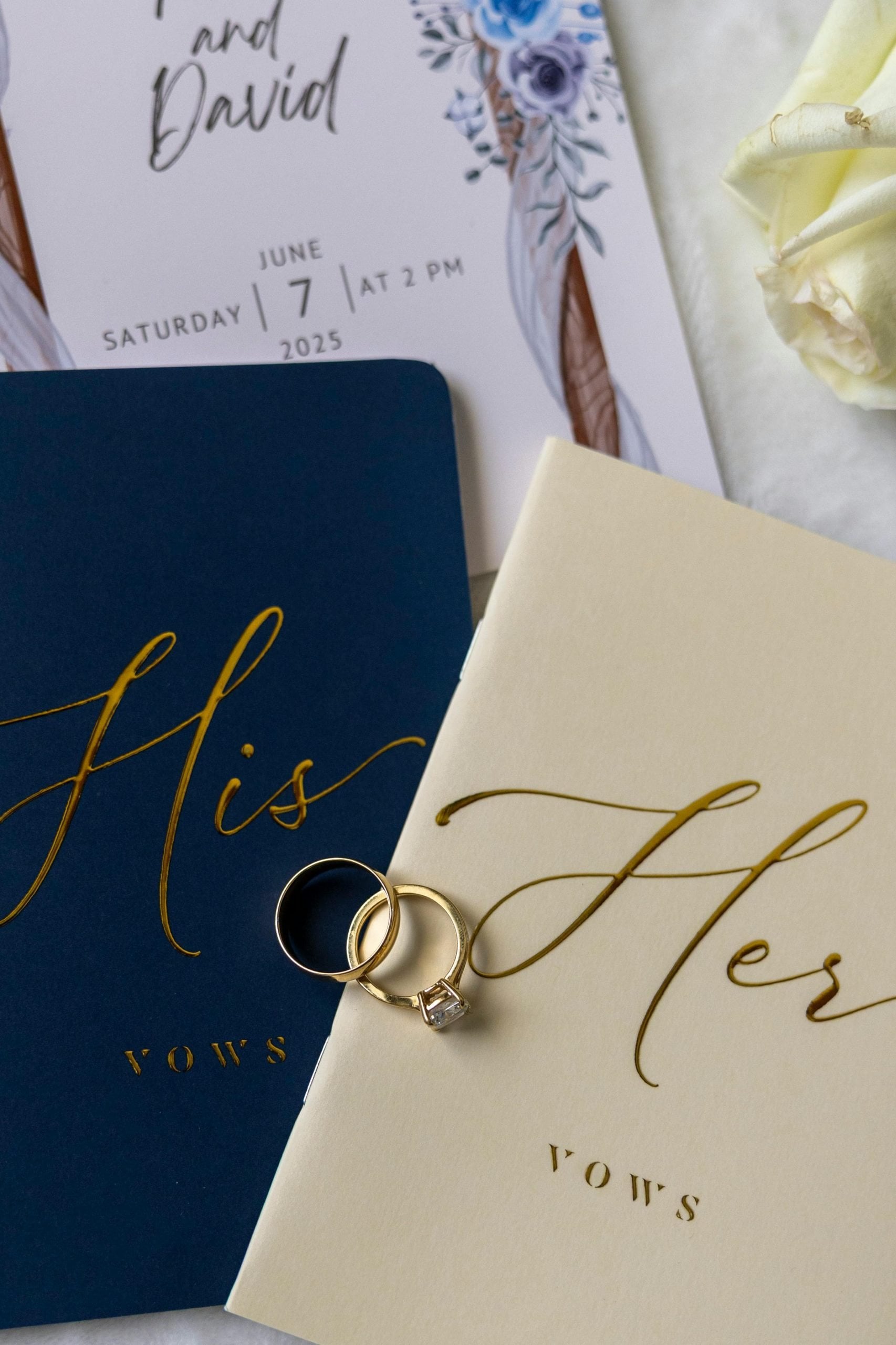
Personalized wedding invitations have evolved into a true extension of fashion. Designers treat stationery like couture — cut, composed, and tailored to reflect the couple’s essence.
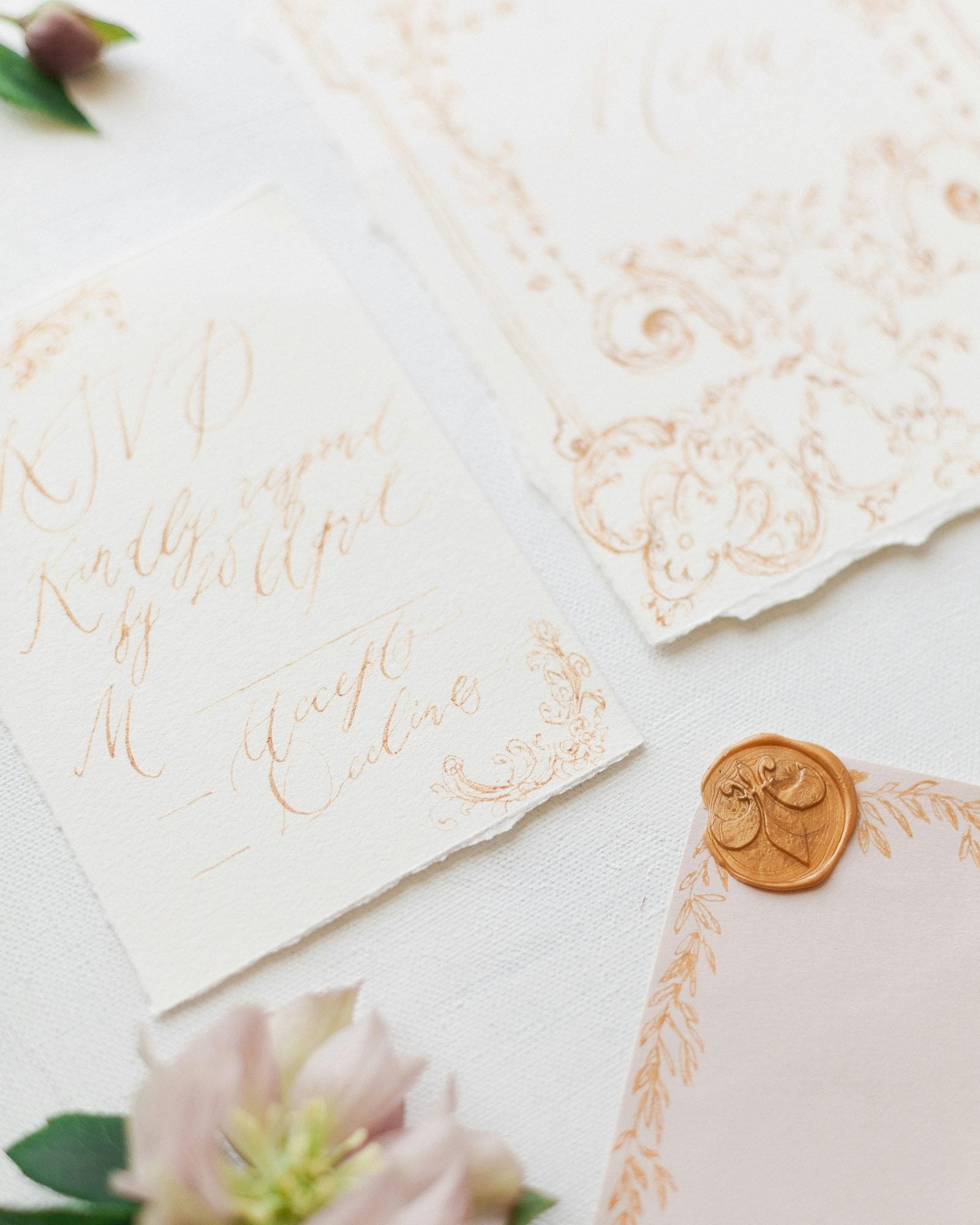
Texture is the new silhouette. Embossed details recall the craftsmanship of lace; a silk ribbon closure mirrors the finishing of a bridal sleeve. Fonts, spacing, and paper weight become the language of style. Each piece is no longer merely printed — it’s crafted.
Texture, typography, and the language of luxury
Luxury, at its best, is felt before it’s seen.
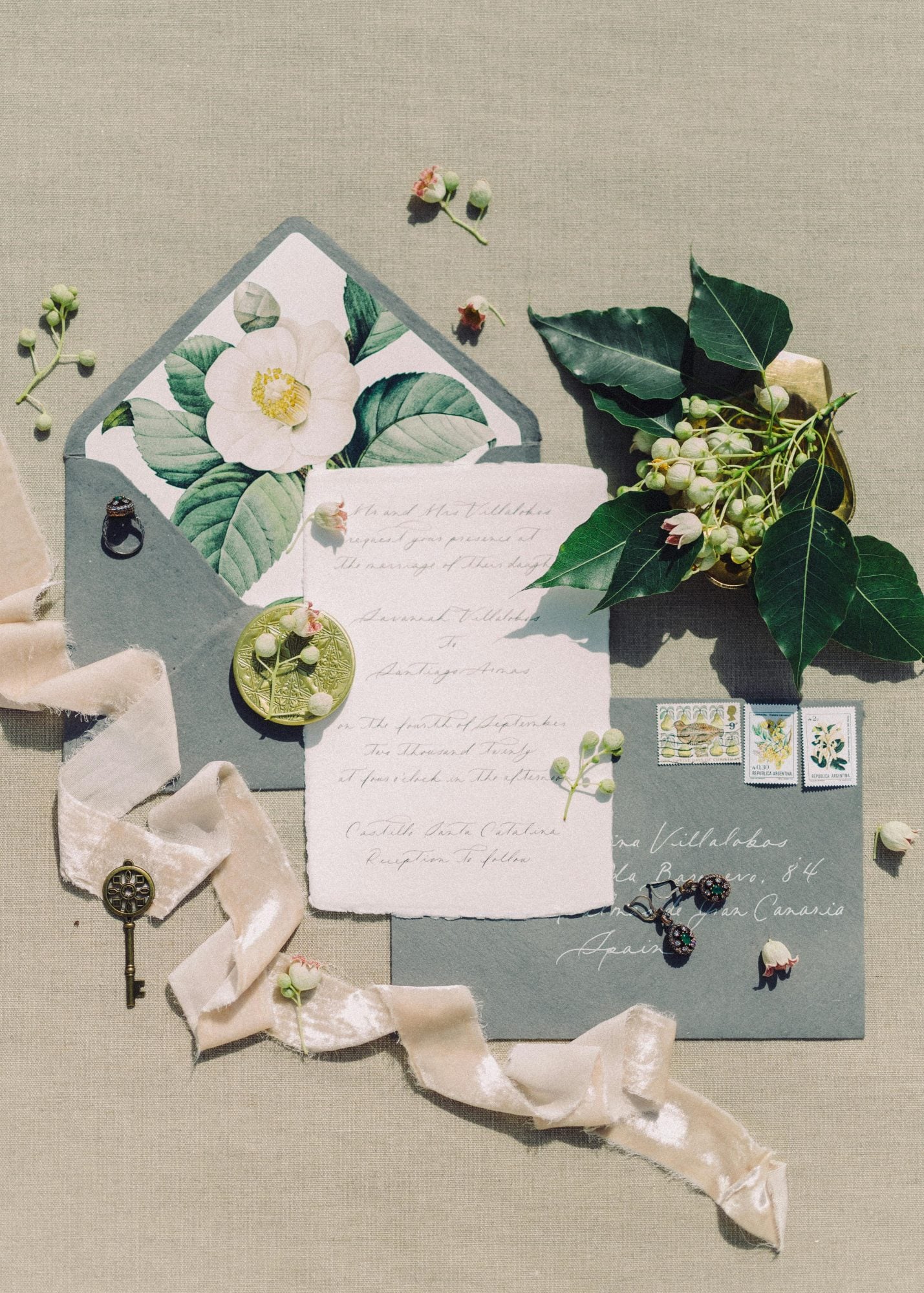
The world of fine stationery thrives on tactile beauty. Designers mix papers the way couturiers layer fabrics: cotton rag, translucent vellum, soft deckled edges — each element a gesture of refinement.
According to the Business Research Insights 2024 Report, the global wedding stationery market, now worth nearly $1 billion, continues to grow rapidly, driven by a demand for custom, sustainable, and high-quality designs.
A subtle metallic monogram, an oversized serif font, a muted palette — these details whisper sophistication. Even the white space itself has become part of the luxury.
Wedding invitation trends 2025: conscious romance
As we move into 2025, romance looks quieter, cleaner, and more intentional.
Minimalist typography, neutral tones, and thoughtful spacing dominate — elegance distilled to its essence.
But design today is as much about purpose as it is about beauty.
Couples are choosing recycled papers, plant-based inks, and limited-waste packaging, aligning with the rise of sustainable wedding services noted by Grand View Research.
This evolution also reflects a growing demand for individuality and personal storytelling.
Data from The Knot’s 2024 Global Wedding Report shows that modern couples value self-expression above all else — using stationery, décor, and fashion to curate an aesthetic narrative unique to their relationship.
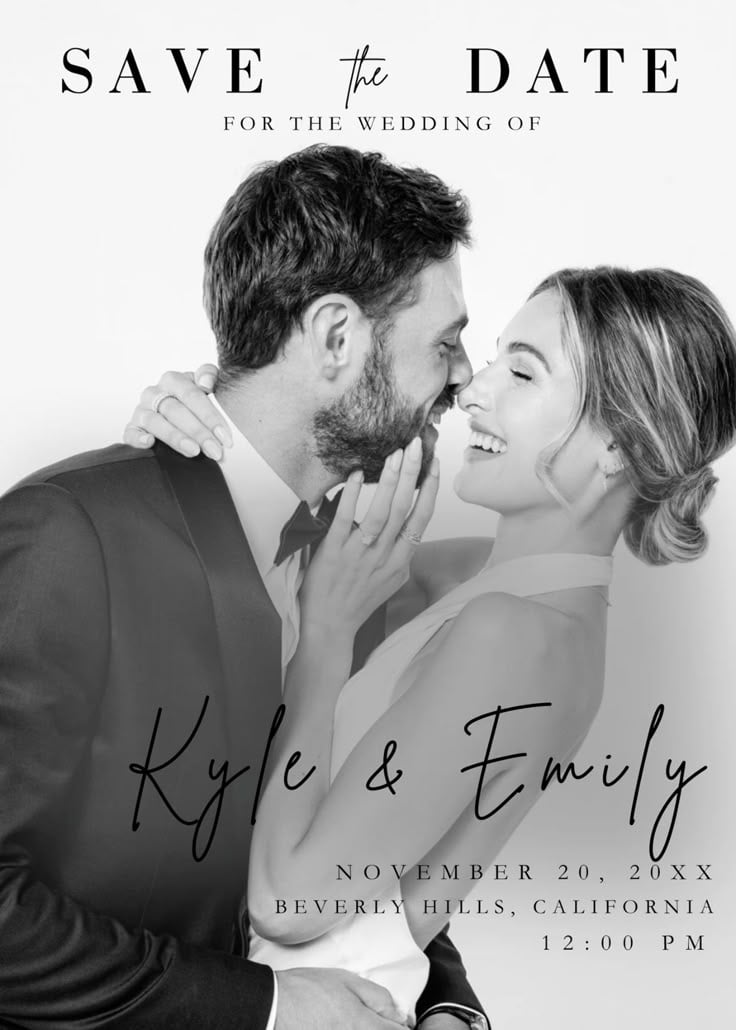
The trend extends to tech as well. QR codes and interactive digital elements blend seamlessly into printed suites — think a sleek scannable RSVP card or an animated save-the-date that mirrors the flow of a silk gown. Tradition and innovation, hand in hand.
Haute couture and invitations: the same language of detail
The artistry of a couture gown isn’t so different from that of a custom invitation.
Both rely on proportion, texture, and precision — the cut of design.
Folds mimic draping, foil stamping reflects metallic threading, and negative space serves the same purpose as the perfect tailoring of a dress.
As QYResearch reports, the personalized wedding invitation market is expected to surpass $6 billion by 2031 — proof that individuality now defines luxury.
Some design studios are even creating invitation suites inspired by couture collections, using fabrics, embroidery motifs, or runway color palettes. The result feels elevated, personal, and enduring — a visual echo of the wedding itself.
A keepsake to feel, not just to see
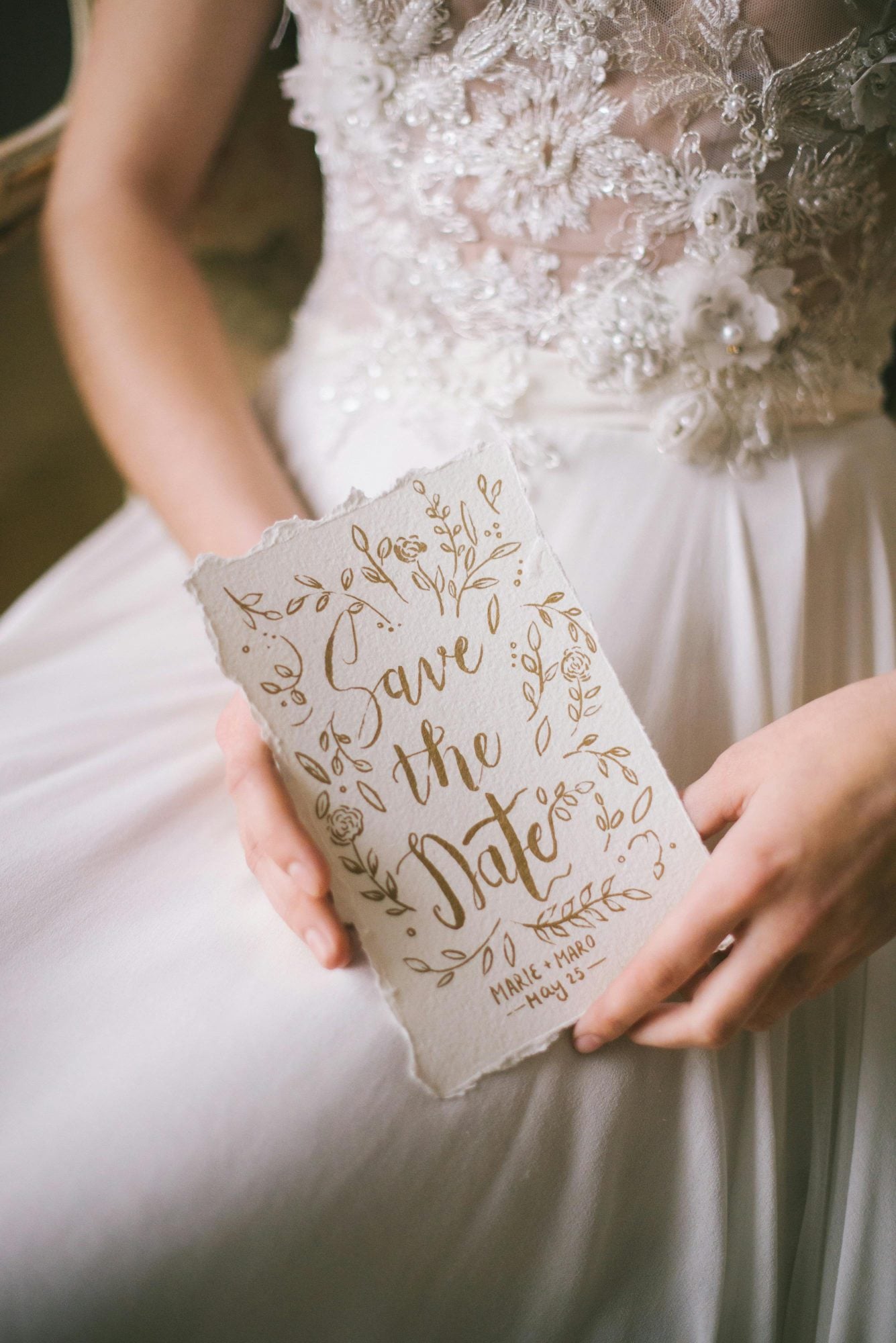
Long after the music fades and the dress is stored away, the invitation remains — that tangible memory of a day imagined, created, and shared.
As the Zola First Look Report 2024 reveals, nearly nine out of ten couples plan their wedding aesthetic even before getting engaged. It’s no wonder invitations are treated like heirlooms — physical proof of an emotion made real.
A haute couture wedding invitation is more than paper. It’s a story you can touch, a fragment of art, and a quiet luxury that lingers long after the vows are said.