How does Maison Devernois succeed in the challenge of Made in France?
This publication is also available in:  Français
  English (UK)
  Deutsch
  Italiano
  Español
More and more French people want to consume French products. This attraction for made in France applies not only to food and objects but also to clothing.
And brands have understood this well. In recent years, there has been a rise in the visibility of made in France certifications on websites, advertisements, and social media, sometimes misleading consumers about the true origin of a garment’s production.
But rest assured, there are women’s ready-to-wear brands that offer high-quality clothing produced in France. And Maison Devernois is one of them.
Let’s take a closer look at this French label that is committed to sustainable and local fashion.
Made in France: A Subtle Certification to Understand
While consuming made in France may seem straightforward, the term itself has nuances that are interesting to know in order to ensure you are truly buying a garment produced in France. Because if you had any doubts, many brands take advantage of this lack of clarity surrounding the term “made in France” to deceive consumers.
First of all, it is essential to understand that producing a garment on French territory is not the sine qua non condition to justify putting the made in France label on its products. The nuance is more subtle. In reality, a product takes the origin of the country in which it undergoes the last transformation, which must correspond to 45% of the added value provided to the product in France. However, measuring this percentage is more complicated than it seems. This leaves a rather wide margin of interpretation that some brands exploit.
Ultimately, in this story of labeling, the location of the garment’s creation defines the official place of manufacturing.
As for consumers, the indicators that allow you to spot whether a brand truly offers sweaters, t-shirts, dresses, shoes, or accessories produced in France are as follows:
- Refer to labels: France Terre Textile, Origine France Garantie, and Patrimoine vivant are three labels that guarantee French textile production. However, few brands are labeled, as the conditions for obtaining them are stringent.
- Read the product label that mentions the country of manufacture.
- Check the brand’s website. If it aims to be transparent in its communication, values, manufacturing process, etc., it is highly likely that it respects its commitments.

Knits and Women’s Clothing Made in France: The Example of Maison Devernois
Now that you know how to identify a responsible brand that offers all or part of its textile range produced (mostly) in France, let us introduce you to a women’s ready-to-wear label: Maison Devernois. Founded in 1927, the brand is committed to a sustainable and responsible women’s wardrobe with a range of knits produced in France. Spotlight on.
A Declared French Know-How
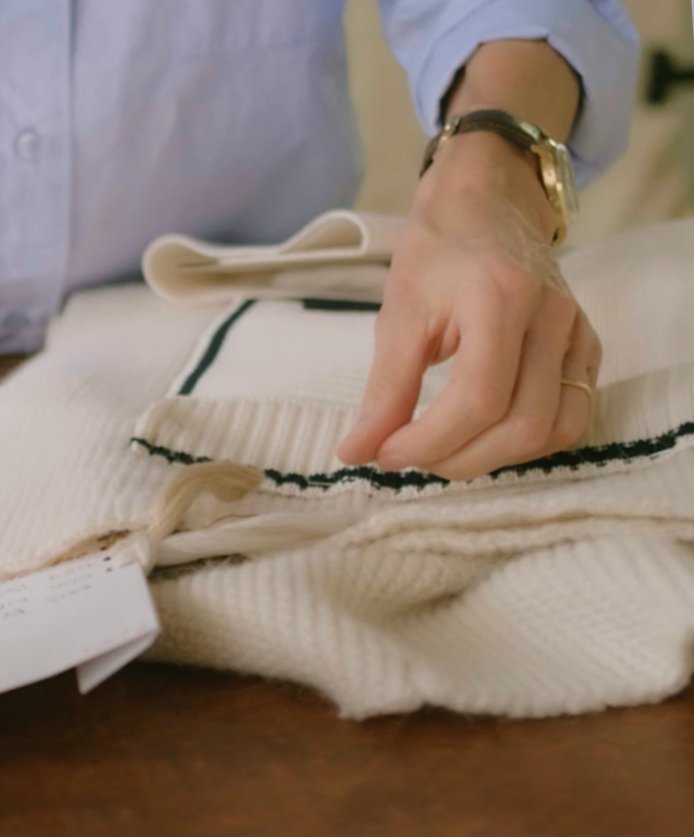
For 95 years now, Maison Devernois has been crafting French knits from its workshops located in Roanne, the historical cradle of French knitwear. For nearly 100 years, several generations have succeeded each other, but the spirit of the French workshop has endured. It is to promote French know-how, expertise, and craftsmanship that the brand has never stopped creating.
Today, in the making of the pieces, every detail has its place. The yarns are carefully selected, each material blend is tested, the color palette is continually renewed, the finishes are sometimes completely reinvented, and the patterns are meticulously studied, all to offer women’s clothing of quality, made in France, infused with a certain elegance to serve a fashion that is fair, timeless, and responsible.
A Model Focused on Responsible Fashion
It thus seemed natural for the brand to commit itself to sustainable fashion. The goal of the Devernois label is to dress women without undressing the planet. To achieve this, the French company has introduced French wool and linen, recycled cotton, and artificial and ecological materials such as Tencel® or EcoVero® certified viscose into its collections for several seasons now.
Quality is also prioritized over quantity. For example, the collections are designed to systematically include timeless garments that women can wear for a long time. Ultra-limited collections made from dormant stock are also offered, as well as an “outlet” section consisting of old pieces at mini prices. The goal? To contribute to the normalization of sustainable fashion, reduce waste, and combat overproduction.
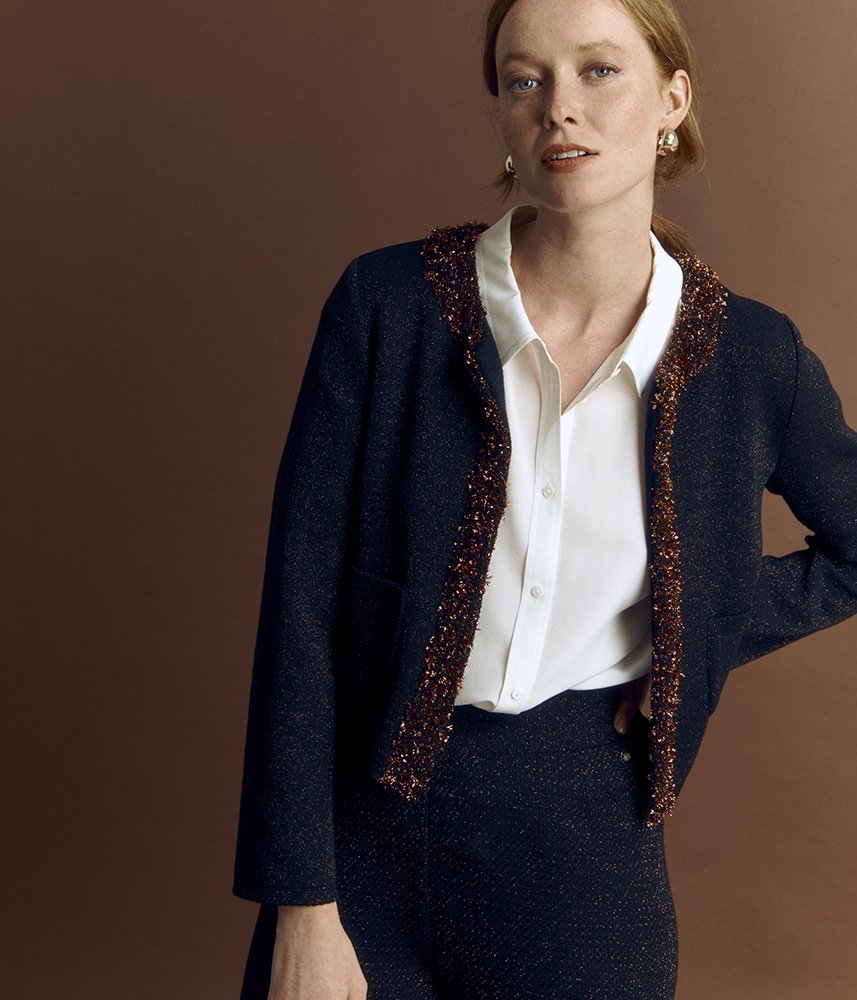
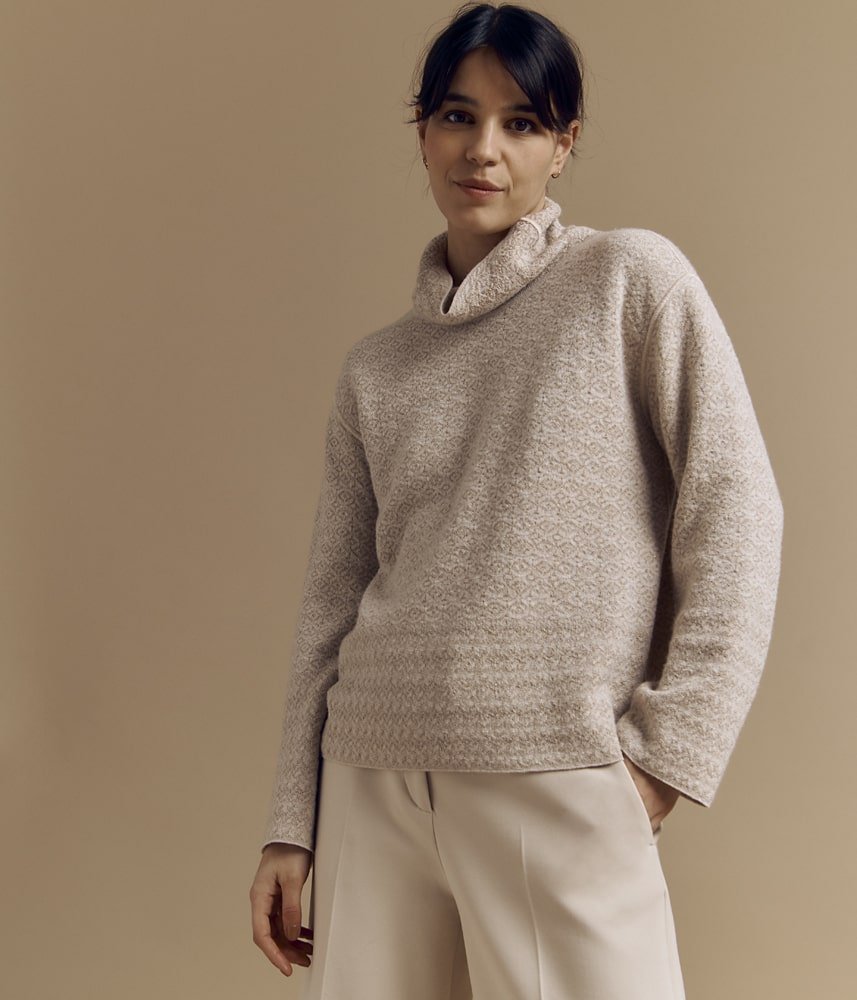
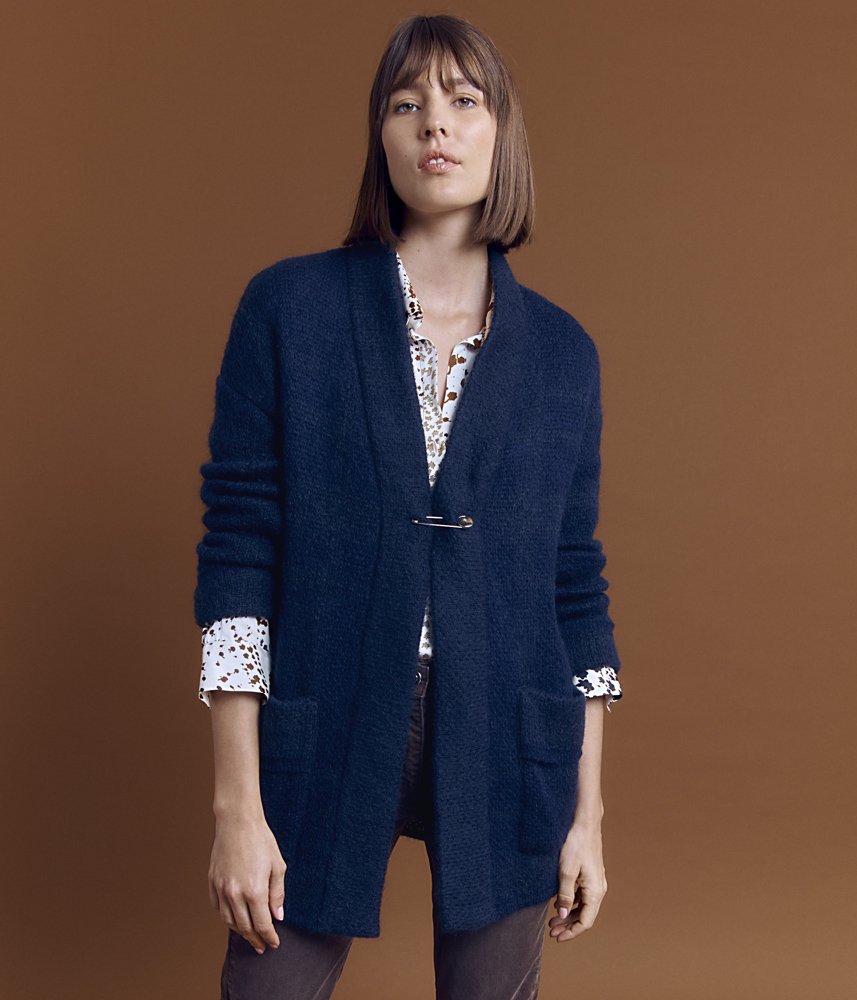
A Thoughtful Production
The commitment is also internal. In the production process, fabric scraps are never left unused. For example, processes have been developed so that pieces are knitted in one go. The pattern-making is also designed to be as economical as possible.
But the brand knows it is not perfect. Sometimes, certain fabrics or knit panels remain unused. In this case, as Séverine Brun, collection director, explains, “we double our imagination to give them a second life.”
A Respected Short Circuit
Working with French partners is at the very heart of Maison Devernois’s approach. For example, 25% of the Fall/Winter 2021 knit collection was 100% made in France. The knitwear is also washed in a workshop near Roanne. And for certain pieces, the brand has called upon French artisans for sourcing.
But the brand also collaborates with European partners for other products such as blouses, shoes, or jewelry. In this trusting relationship that the brand has maintained for years, suppliers are carefully selected, and raw materials are chosen for their quality.
Image credit: © Maison Devernois