Inside italian leather workshops, where elegance takes shape
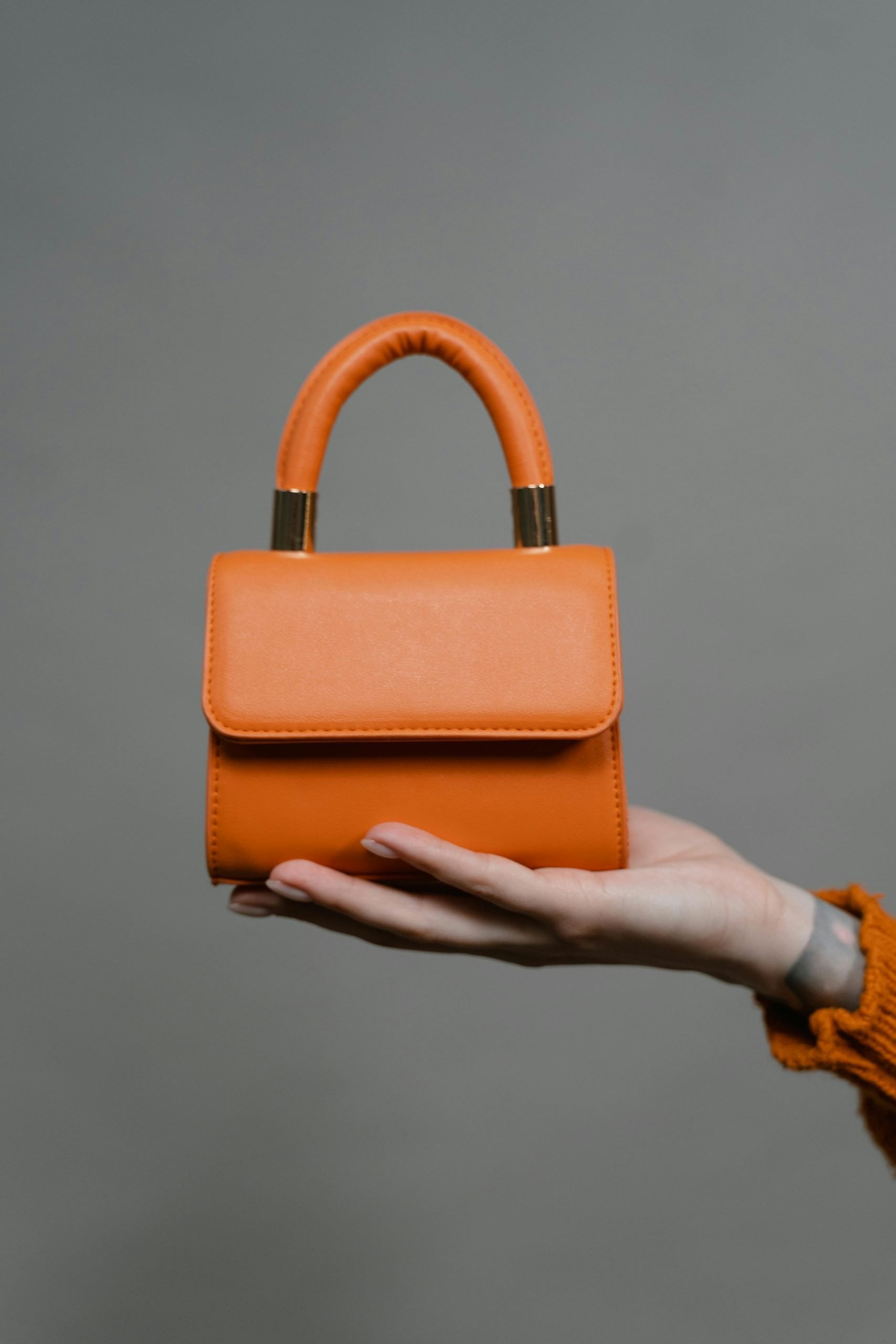
Some materials tell the story of fashion better than any trend ever could. Italian leather belongs to that rare category—living, sensual, and destined to grow more beautiful with time. Behind a perfectly structured handbag or a pair of impeccably cut leather boots lies a tradition of craftsmanship that spans centuries. In Italy’s leather workshops, every gesture reflects a culture of detail where true luxury is defined not by logos, but by the quality of the material itself.
Italy, the historic birthplace of exceptional leather craft
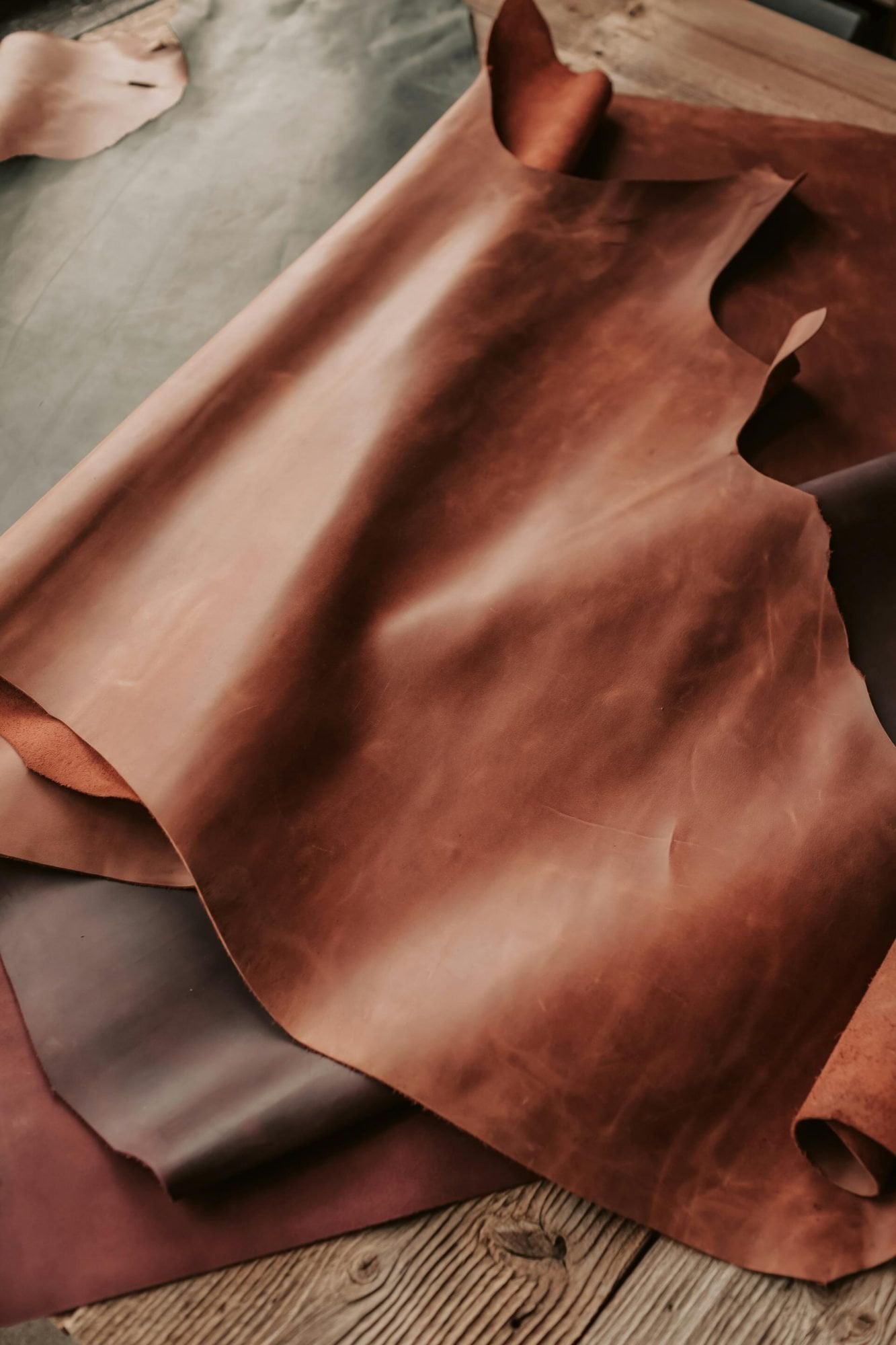
The reputation of Italian leather is deeply rooted in the history of Tuscany, particularly around Florence. As early as the Renaissance, the city emerged as a major center for tanneries and artisans specializing in the treatment of fine hides. Vegetable tanning techniques—still practiced today—produce leather that is rich, supple, and remarkably durable.
Over the decades, this expertise has drawn some of fashion’s most influential houses. Gucci, Salvatore Ferragamo, and Bottega Veneta helped elevate Italian leather goods into a global symbol of refinement. Within this tradition of excellence, certain italian leather atelier independents continue to preserve a meticulous approach to leatherwork, where Italian craftsmanship is expressed through pieces created with exceptional attention to materials and finishing details.
This dedication to craft explains why so many luxury brands still choose to produce their leather goods in Italy, even in an increasingly industrialized fashion landscape.
Craftsmanship at the heart of every creation
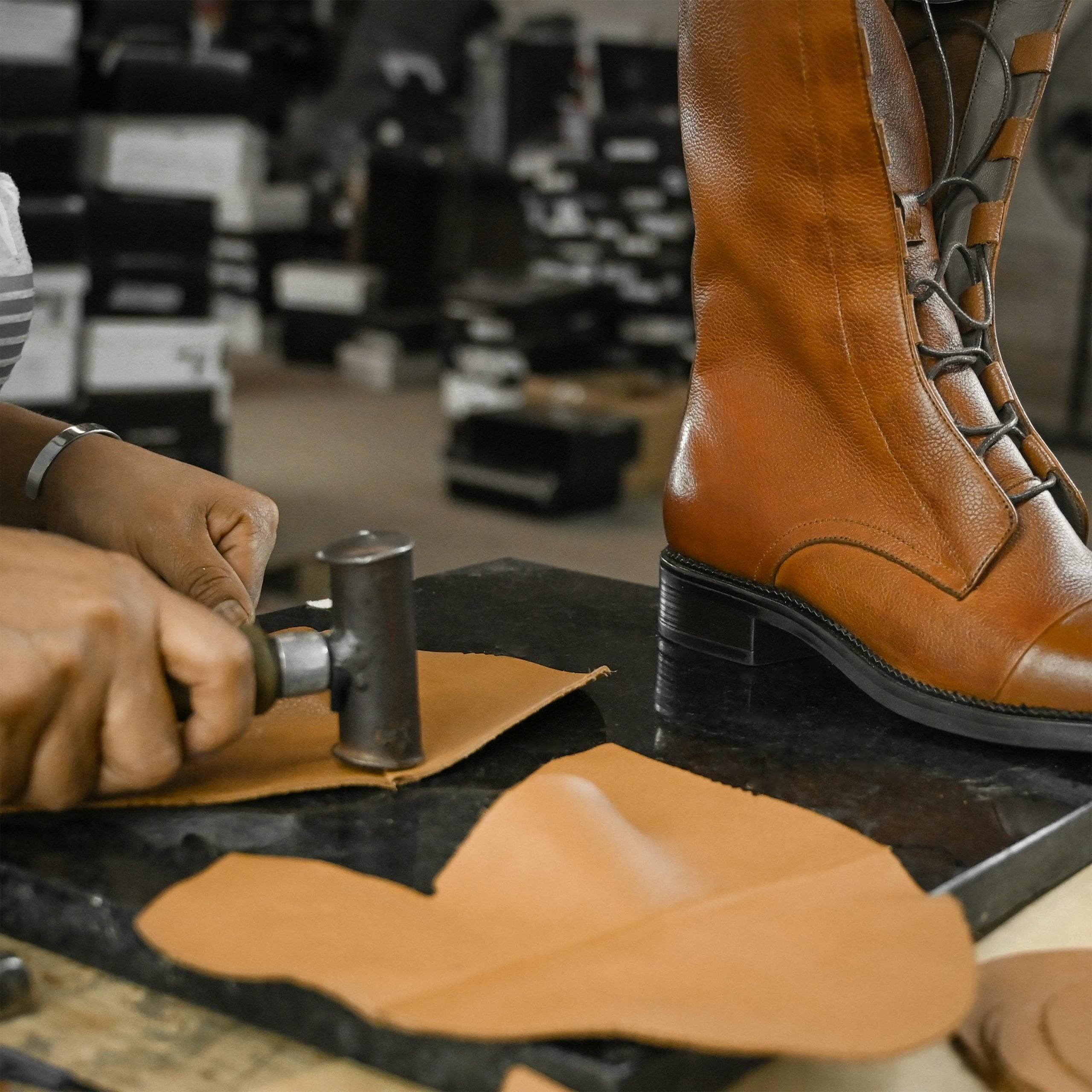
Inside an Italian leather workshop, time seems to move at a different pace. Quality always takes precedence over speed. Each piece passes through the hands of several skilled artisans—cutters, dyers, and leatherworkers—each mastering a specific step of the process.
The leather is examined, touched, and sometimes gently stretched to understand its natural structure. Stitching is executed with remarkable precision, while edges are carefully polished and hand-painted to achieve an impeccable finish. This meticulous process results in pieces designed not just to last, but to evolve beautifully over time.
When leather becomes a modern object of desire
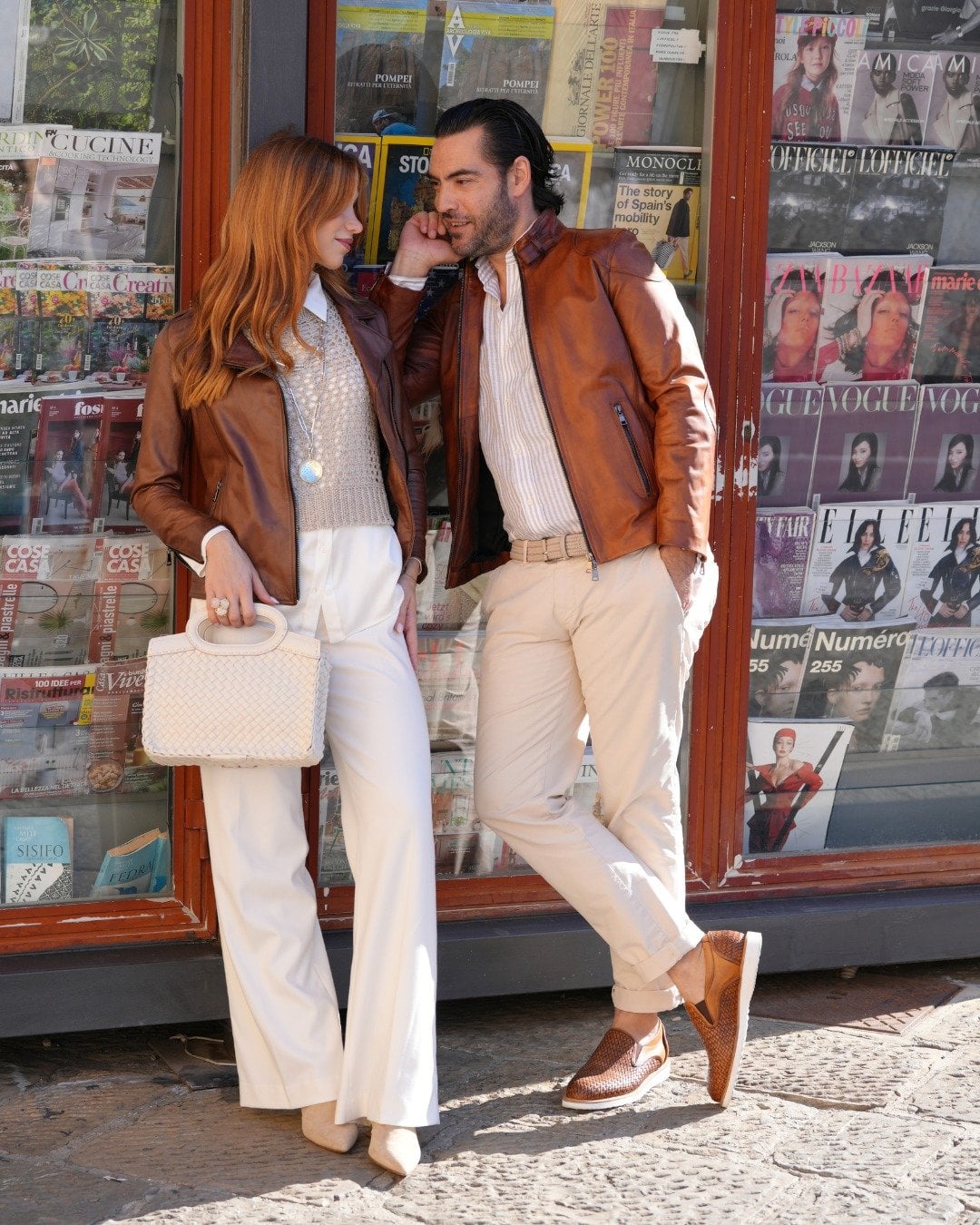
As fashion continuously oscillates between innovation and heritage, Italian leather remains a constant. On recent runways—from Milan to Paris—leather accessories have taken center stage: structured handbags, minimalist boots, and sculptural belts that bring quiet sophistication to a silhouette.
Part of the fascination lies in a shift in consumer expectations. Today’s luxury is no longer defined solely by branding; it is also measured through craftsmanship, material integrity, and longevity. Italian leather pieces embody this philosophy perfectly, offering accessories that feel both timeless and relevant.
A well-crafted leather bag, after all, is never just an accessory. It becomes a companion piece – one that gathers character with every year of wear.
How to recognize exceptional Italian leather
High-quality leather reveals itself immediately. Its surface shows a natural grain that is never perfectly uniform – an indication of authenticity. To the touch, it feels supple yet substantial, able to maintain structure while remaining soft and flexible.
Even the scent offers clues. Traditionally tanned leather carries a warm, rich aroma far removed from the chemical notes often associated with mass-produced materials.
But the true signature of Italian leather appears over time. As the material ages, it develops a unique patina, deepening in tone and character. It’s this living transformation that makes Italian leather far more than a simple material—it becomes a story shaped by craftsmanship and by time itself.