Men’s Fashion 2025: The Reimagined Retro Heritage
This publication is also available in:  Français
  English (UK)
  Deutsch
  Italiano
  Español
Each decade leaves its mark on the men’s wardrobe, and 2025 is no exception. More than just a look back, men’s fashion revisits its heritage with a distinctly contemporary approach. Between 50s-inspired tailoring and 90s streetwear revival, retro emerges as a strong stylistic signature. But far from a mere copy-and-paste of the past, it transforms: modernized materials, adjusted cuts, reinterpreted details. Decoding a trend where vintage becomes a playground for creators and a source of inspiration for men seeking a bold style.
A wardrobe under influence: why does retro still fascinate?
Fashion is an eternal restart. In 2025, the men’s wardrobe celebrates a return to its roots, blending sartorial heritage and vintage influences. But why this constant need to revisit the past? The answer lies in a quest for authenticity and sustainability. Faced with fast fashion and style uniformity, men are now seeking timeless pieces, with structured cuts and impeccable finishes.
Far from being simple nostalgia, this return of retro comes with a subtle modernization. Cuts are adjusted to contemporary demands, materials gain in lightness and technicality, and classic codes are reinvented to better integrate into current silhouettes.

Yesterday’s tailoring, today’s attitude: neo-classical in action
Masculine elegance draws inspiration from past decades, particularly the 50s and 60s, when tailoring reigned supreme. Double-breasted suits, pleated trousers, generous collars: these iconic elements are making a strong comeback, worn with a more relaxed twist.
Houses like Prada and Dries Van Noten adopt these references and transform them into hybrid pieces, where traditional fabrics meet technical materials. The blazer is now worn over a minimalist t-shirt, pleated trousers are paired with structured sneakers, creating a perfect balance between classicism and modernity.
Retro streetwear: when the 90s and 2000s dictate the trend
Alongside the return of tailoring, the men’s wardrobe adopts a more relaxed attitude, drawing inspiration from the 90s and 2000s. Vintage sportswear emerges as a pillar of current style, with clear references to old school hip-hop icons and skate culture.
Key pieces? Oversized bombers, loose cargo pants, tracksuits, and graphic polos. Retro sneakers, like Nike Air Max or Adidas Samba, regain a central place in urban looks. This trend is also reflected in numerous collaborations between luxury houses and streetwear brands, such as Louis Vuitton x Timberland or Gucci x Adidas.
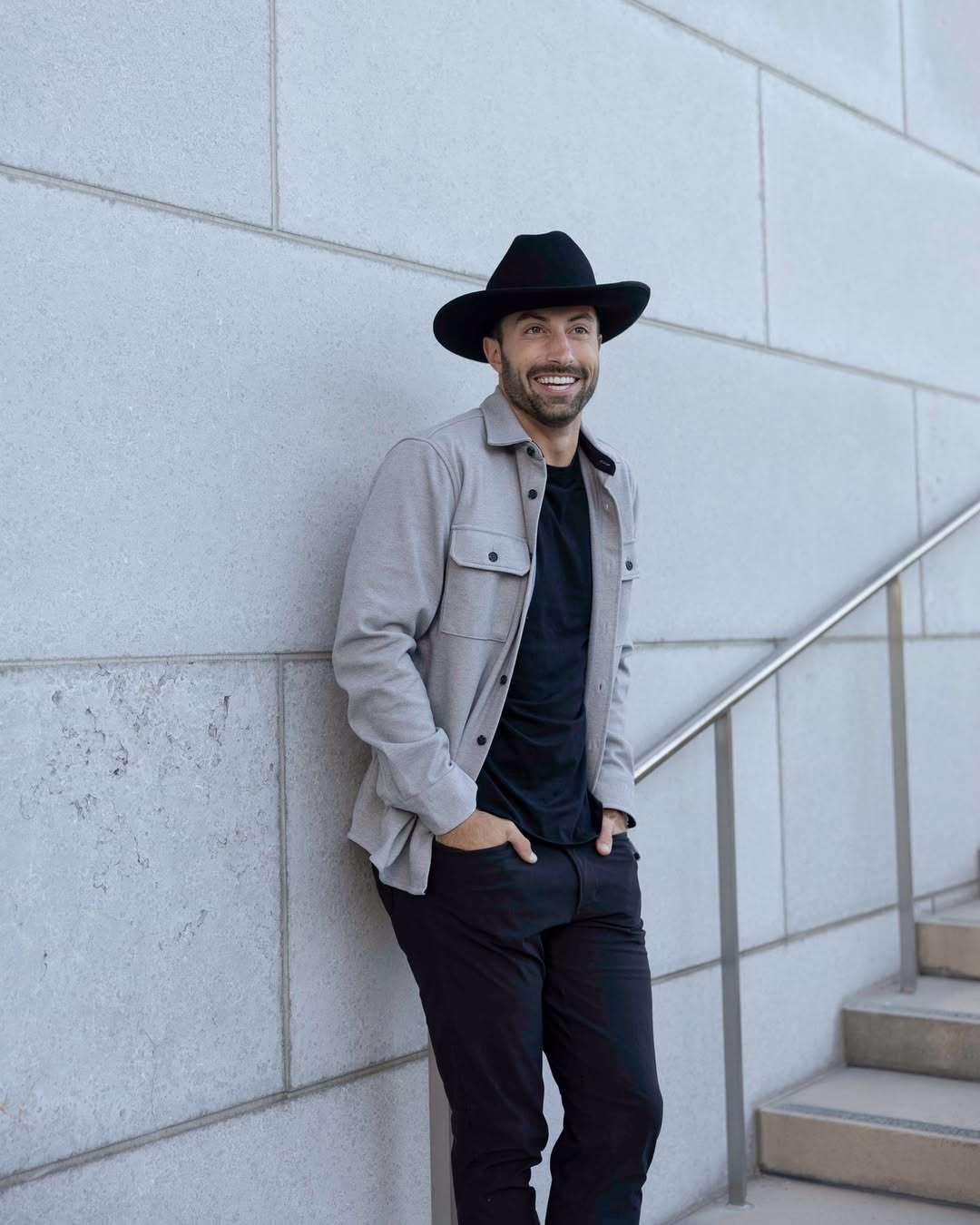
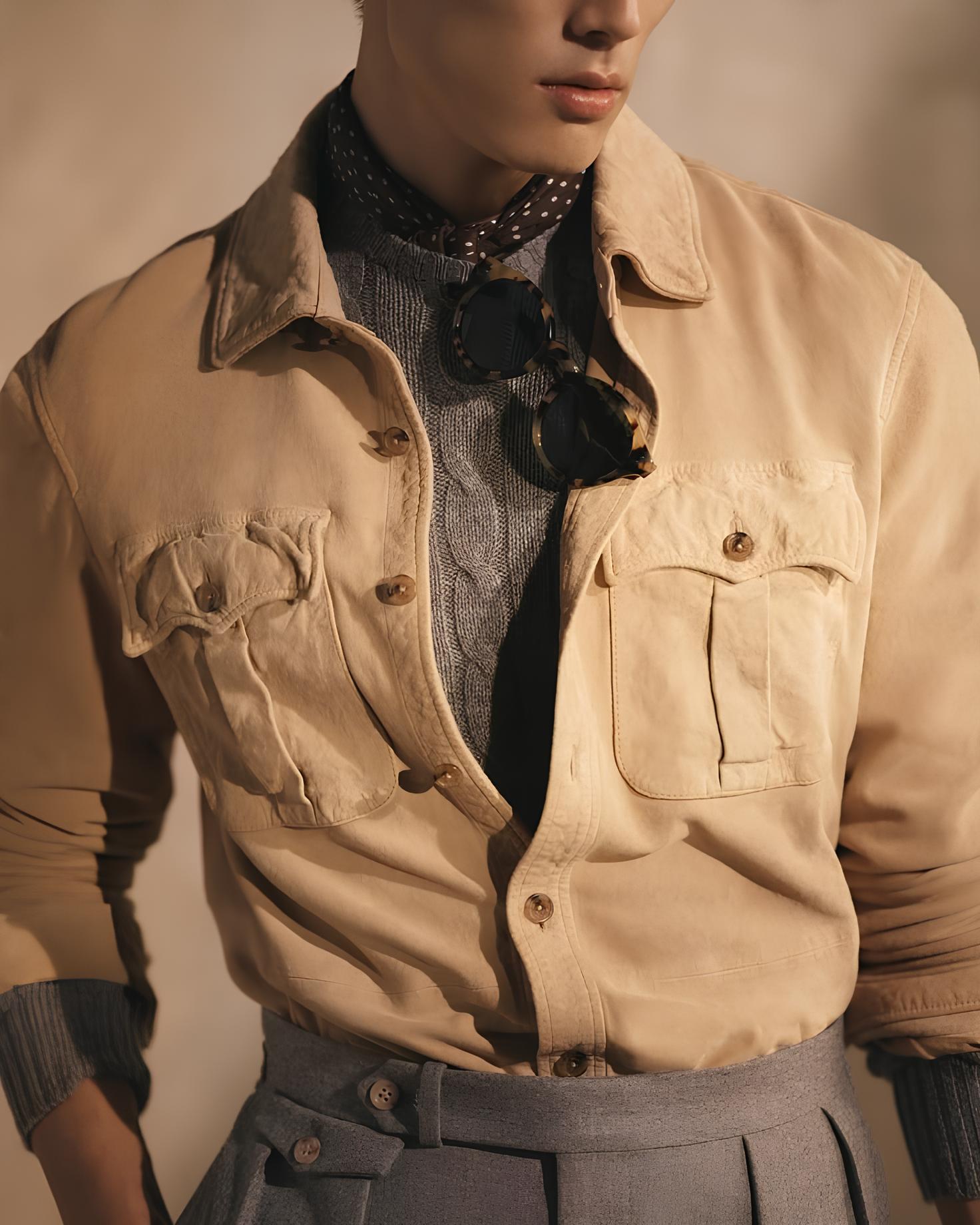
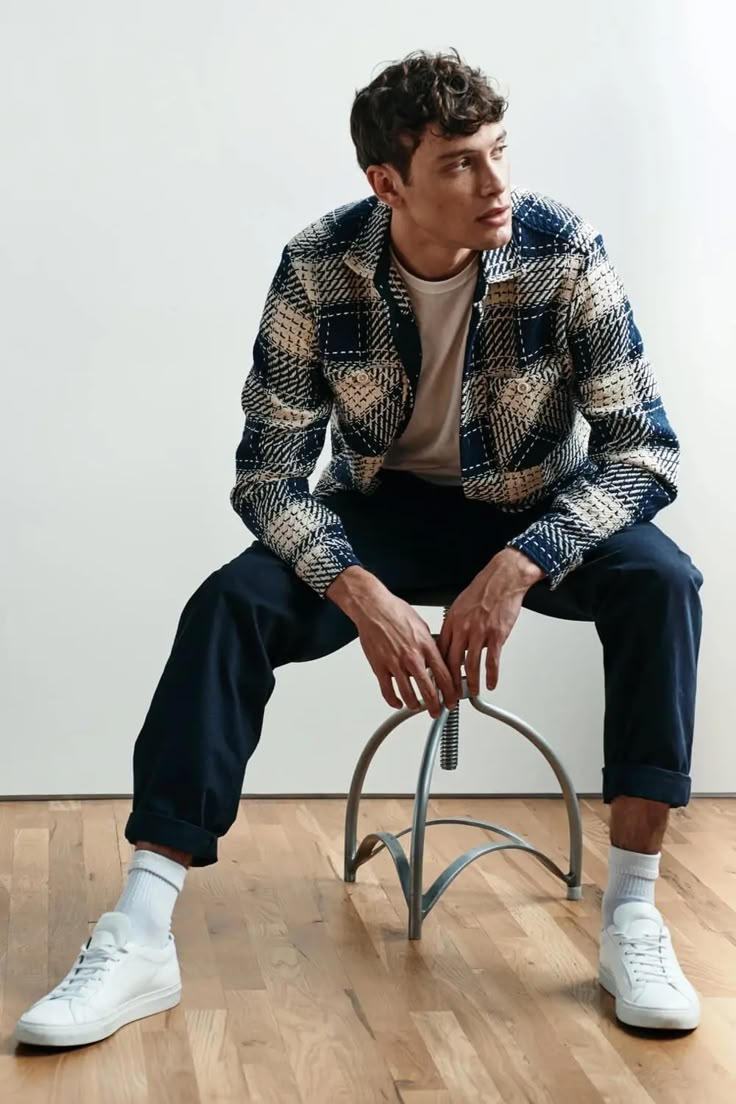
In this spirit, the overshirt establishes itself as a staple of the men’s wardrobe. Versatile, it allows for structuring a silhouette while remaining relaxed. Adopting a trendy overshirt with Celio is a subtle way to embrace this retro aesthetic effortlessly, playing with materials and cuts for a contemporary look.
How to adopt the retro trend with modernity?
The art of wearing retro in 2025 rests on a clever balance between past references and current influences. Here are a few key principles to remember:
- Avoid the total vintage look: one strong piece is enough, like high-waisted pants or a suede jacket.
- Focus on modern materials: prioritize breathable and lightweight fabrics to revisit classics with more comfort.
- Play with contrasts: a structured blazer can be paired with raw denim and sneakers, pleated trousers with a minimalist sweatshirt.
The legacy of the past, the vision of the future
The return of retro does not signify a stylistic regression; quite the opposite. It reflects a desire to honor a heritage while reinterpreting it with boldness and subtlety. In 2025, men’s fashion is built on a dialogue between tradition and innovation, where each piece tells a story and fits into a sustainable vision of style.