The new codes of on-screen elegance
In an age where appearance is mediated through pixels and proximity is replaced by the lens, elegance has evolved. No longer confined to sidewalks and soirées, style now plays out in a digital frame — curated, calibrated, and quietly powerful. What we wear on screen isn’t just a matter of taste. It’s a strategy.
Across industries — from fashion and beauty to gaming and media — digital presence is becoming the new first impression. But unlike real life, screens flatten depth, heighten contrast, and magnify detail. Every element of clothing — color, texture, structure — must be rethought not only for aesthetics, but for performance.
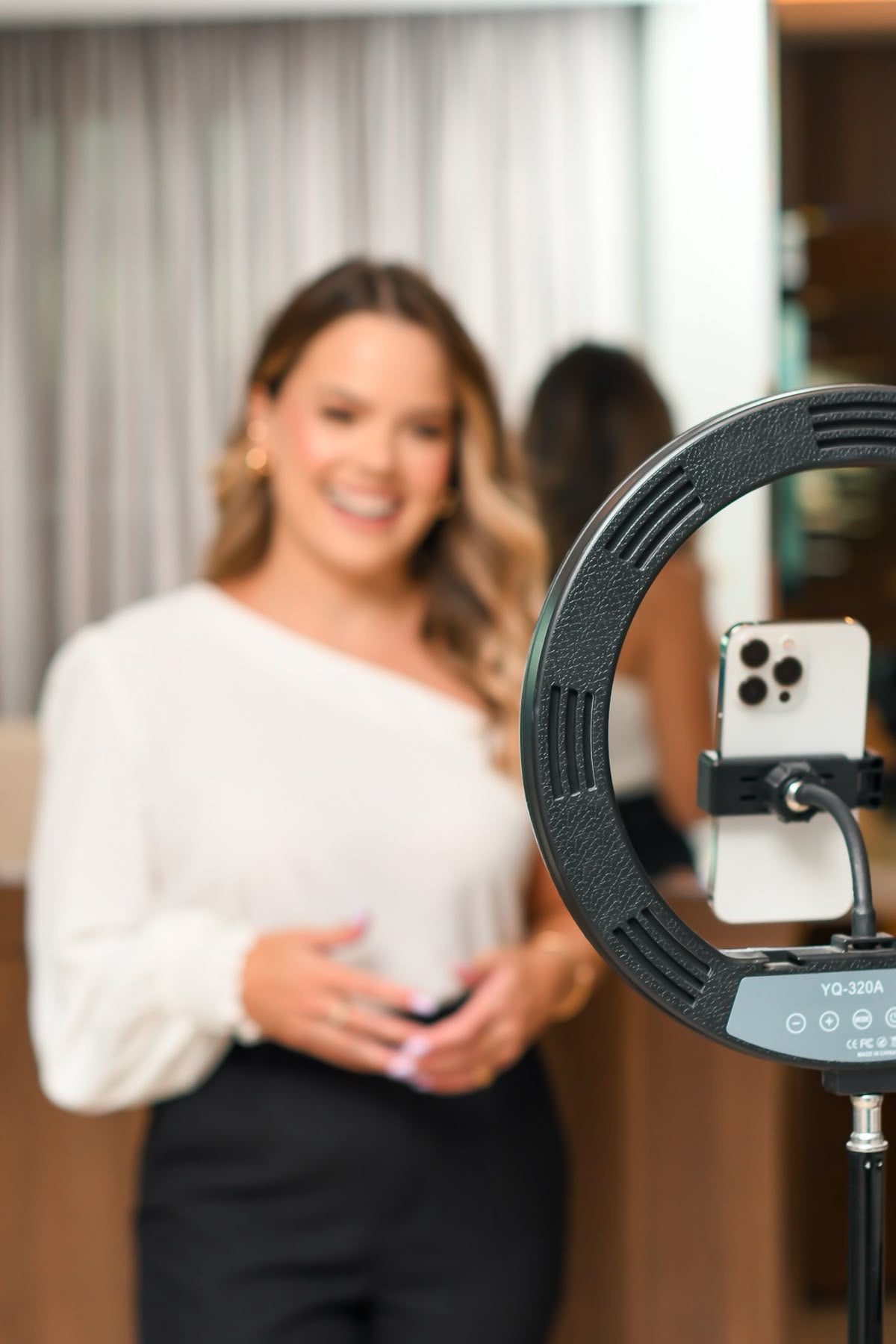
Whether it’s a virtual meeting, a livestreamed runway show, a beauty tutorial on YouTube, or an immersive setting like live dealers and casino streams, the screen functions as a social mirror with its own set of rules. Each frame is deliberately constructed: fixed lighting, tight crops, purposefully neutral or luxurious backgrounds. In this environment, wardrobe becomes a visual interface — more than expression, it’s communication. Elegance isn’t performative here. It’s intentional, restrained, and designed to hold clarity.
This shift explains why screen dressing is becoming its own genre of styling. The goal? To stay visually legible across formats — from compressed Zoom calls to full-resolution 4K streams.
Color, texture, and the politics of visibility
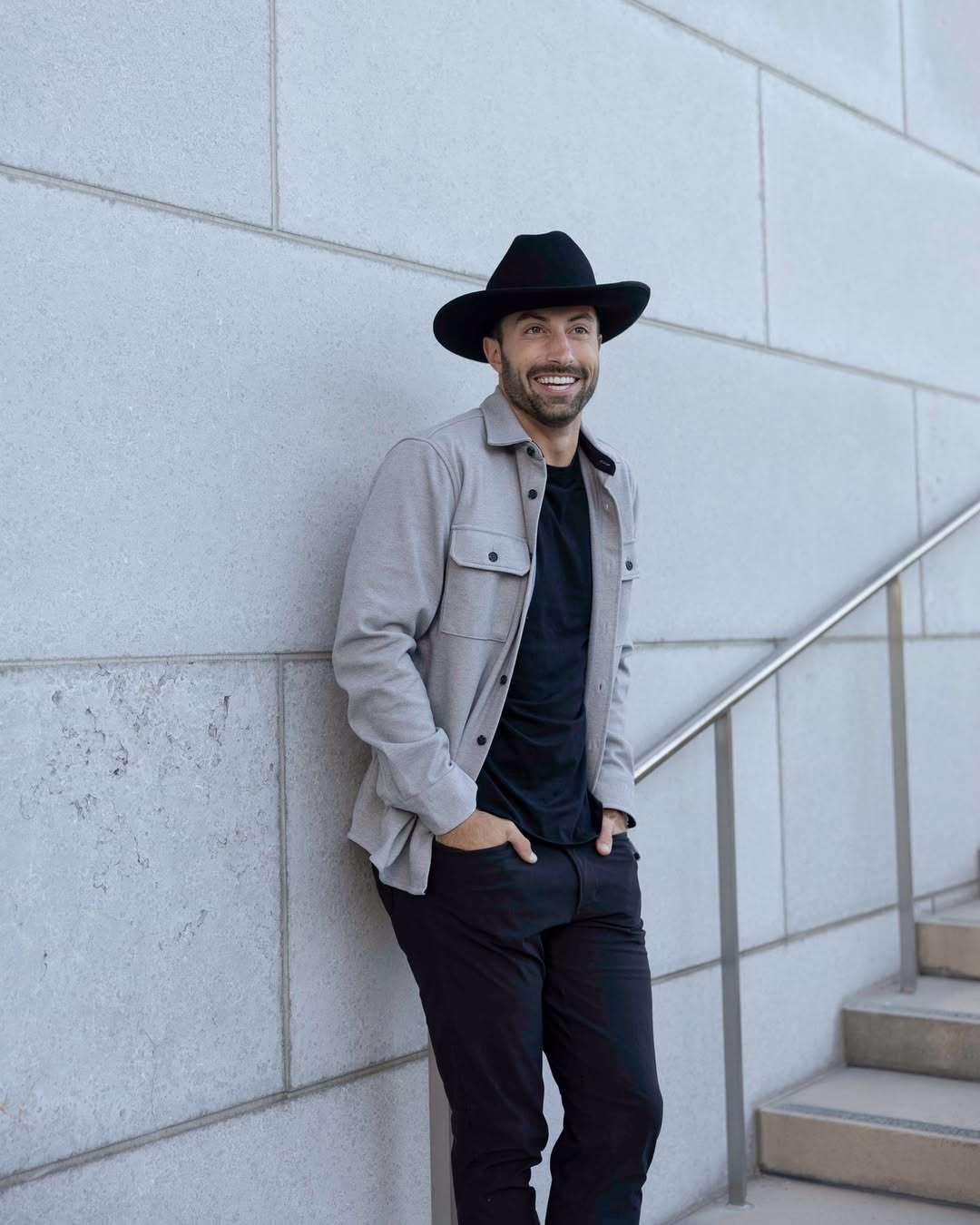
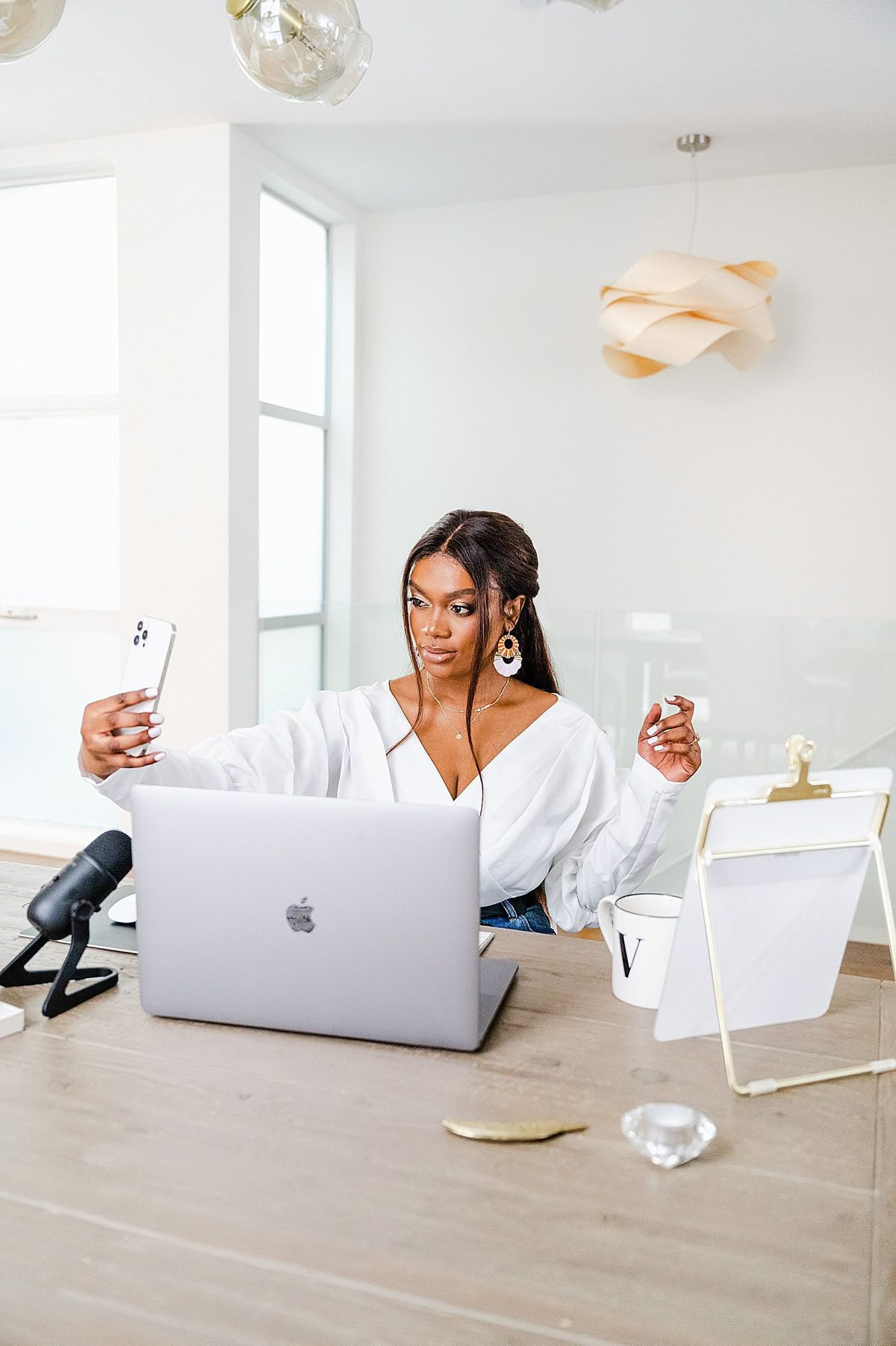
Modern screens are unforgiving, especially under studio lighting. Bright whites tend to blow out; deep blacks can flatten the figure. Intricate prints like herringbone or tight stripes may create moiré — a distracting shimmer that breaks visual coherence. This is why style-conscious professionals now gravitate toward mid-tones: deep navy, forest green, muted taupe. These shades maintain balance under LED lighting and sit elegantly against digital backdrops, allowing the face and hands — the anchors of engagement — to remain the focal point.
Matte finishes are equally essential. They absorb light rather than reflect it, preserving natural skin tones and reducing glare. Combined with soft tailoring and controlled silhouettes, these choices project quiet authority — an image that reads as both professional and refined.
Dressing for definition: high-resolution demands high precision
With the rapid adoption of 4K sets and connected screens, every texture, seam, and wrinkle becomes magnified. The margin for error narrows: a shiny fabric can reflect unwanted light, a loose sleeve can hide a gesture, a misaligned collar can pull the eye. On-screen style now favors structure — matte finishes, sharp tailoring, clean lines. Good clothing doesn’t just photograph well; it supports continuity between shots, light changes, and movements.
Even accessories demand consideration. Jewelry should be non-reflective and silent; watches and buttons must not click or flash under lighting. Everything must serve the moment — and the lens.
Psychology of dress: style as behavior
Style doesn’t just change how others perceive us — it affects how we act. As researchers put it, “clothes systematically influence the wearer’s psychological processes.” This phenomenon, known as enclothed cognition, suggests that a well-fitted blazer or crisp collar doesn’t only project confidence — it cultivates it. On camera, where subtle gestures and posture are amplified, these effects become essential. A sharp silhouette can sharpen behavior.
The right outfit reinforces a sense of control. It eliminates distractions — both visual and psychological — and allows presence to take center stage.
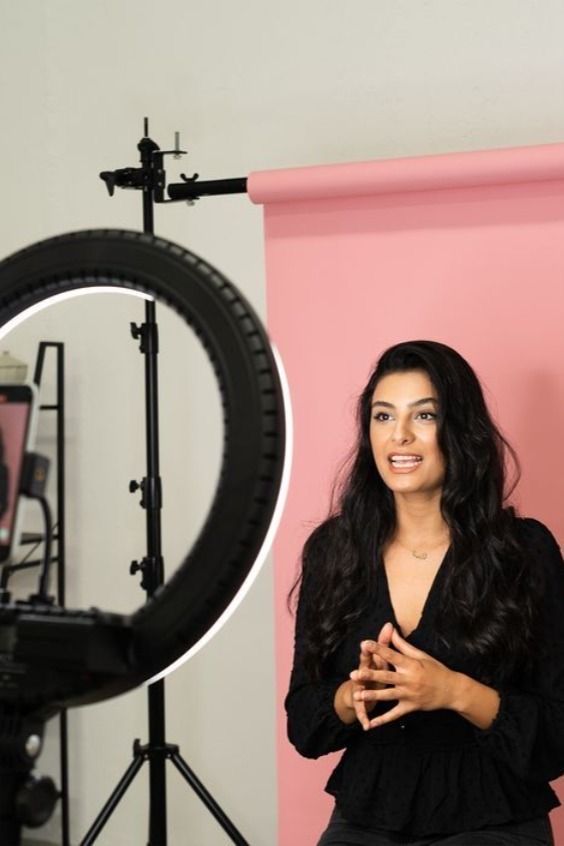
Image as value: style as trust
The rise of video-driven environments is not a passing trend — it’s a cultural shift. Streaming media is projected to reach roughly $129 billion in 2024, and on-screen presence has become a soft currency of credibility. Here, style isn’t used to impress — it’s used to reassure. A thoughtful, restrained outfit suggests control, consistency, and intent. In digital culture, the best-dressed are often the most quietly composed.
In this new paradigm, elegance isn’t loud. It’s engineered.