A new era for luxury watches: strategy, scarcity, and style
In 2025, owning a luxury watch is no longer just about prestige — it’s about timing, territory, and understanding the shifting codes of global access. Between ethical production, digital competition, and curated scarcity, the modern timepiece is now as strategic as it is stylish.
Geopolitical tensions reshape the supply chain
For decades, the flow of Swiss-made timepieces into key global markets was almost uninterrupted. Today, new trade barriers, regional tariffs, and shifting economic policies have fractured this long-standing equilibrium. Distribution patterns are no longer driven by legacy — they’re led by profitability, speed, and regional strategy.
In response to these shifts, brands are investing in regional hubs in the Gulf and Southeast Asia, where customs processes are streamlined. Meanwhile, traditional Western markets are facing curated scarcity, as supply is diverted toward higher-growth zones. The Swiss watch export trends reflect this recalibration of the industry: not a decline, but a redistribution of priority.

The new centers of watch desire
In today’s market, first access isn’t dictated by geography — it’s about momentum. High-growth cities like Dubai, Singapore, and Seoul are becoming the primary destinations for flagship releases. The logic is simple: where demand is strong and liquid, allocation follows.
For style-driven buyers, this shift changes the dynamic. Watches are no longer just statements of taste — they’re assets. Many clients, especially women, now approach luxury timepieces with both aesthetic instinct and investment acuity. Scarcity is not a challenge — it’s a power play, and knowing where and when to buy is part of the new luxury vocabulary.
Rarity as an intentional strategy
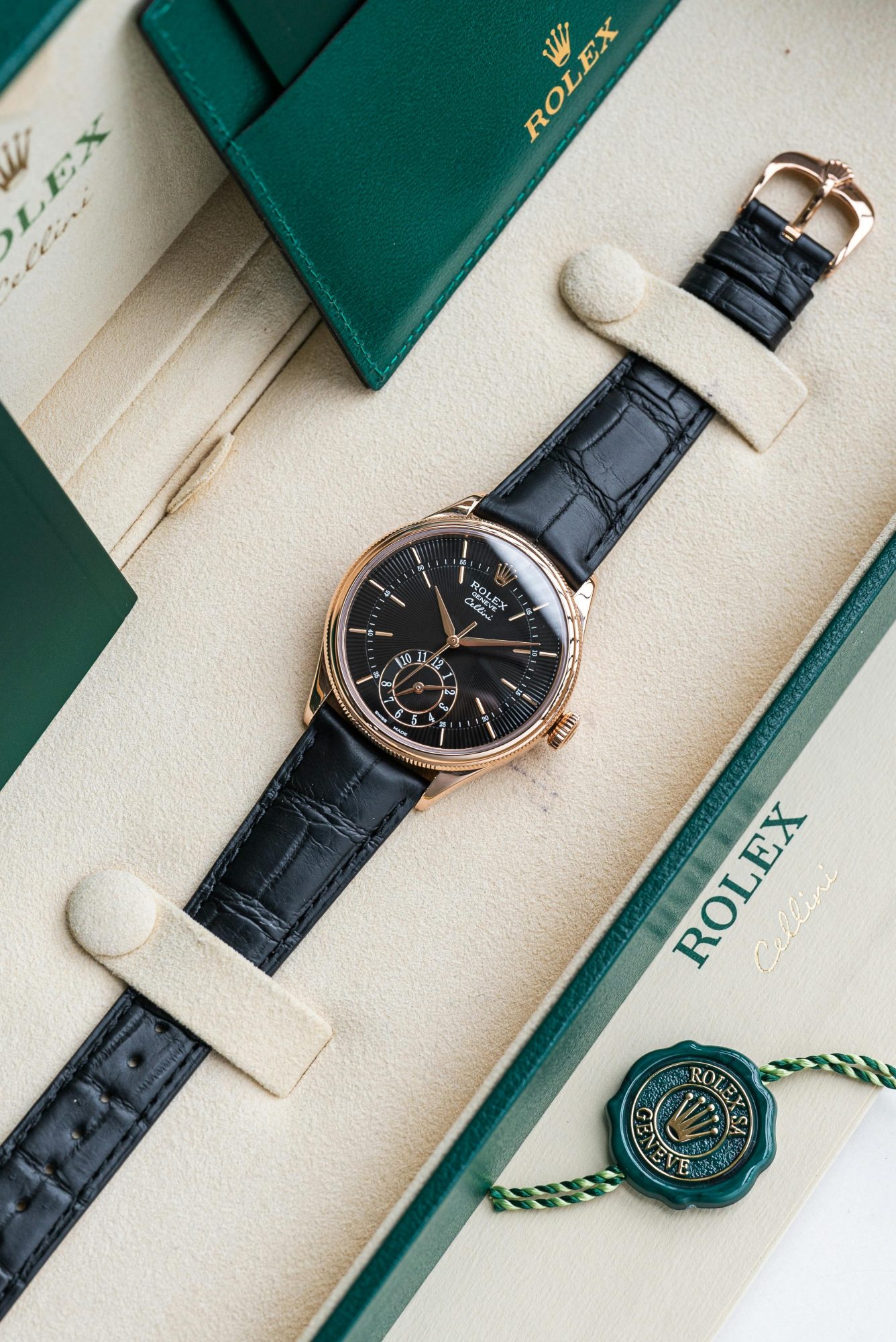
The days of overproduction and rapid seasonal launches are giving way to something more deliberate: editorial precision. Leading watchmakers are dialing back output, focusing on timeless silhouettes and reducing release volumes. Limited editions are no longer just about exclusivity — they represent brand integrity and collector alignment.
This cultivated scarcity strengthens the resale market, now viewed not as a secondary channel, but as a reliable indicator of value. Today’s buyers are watching not only what brands produce, but how long they wait before doing so — and what that signals.

The digital showroom: closer, but more competitive
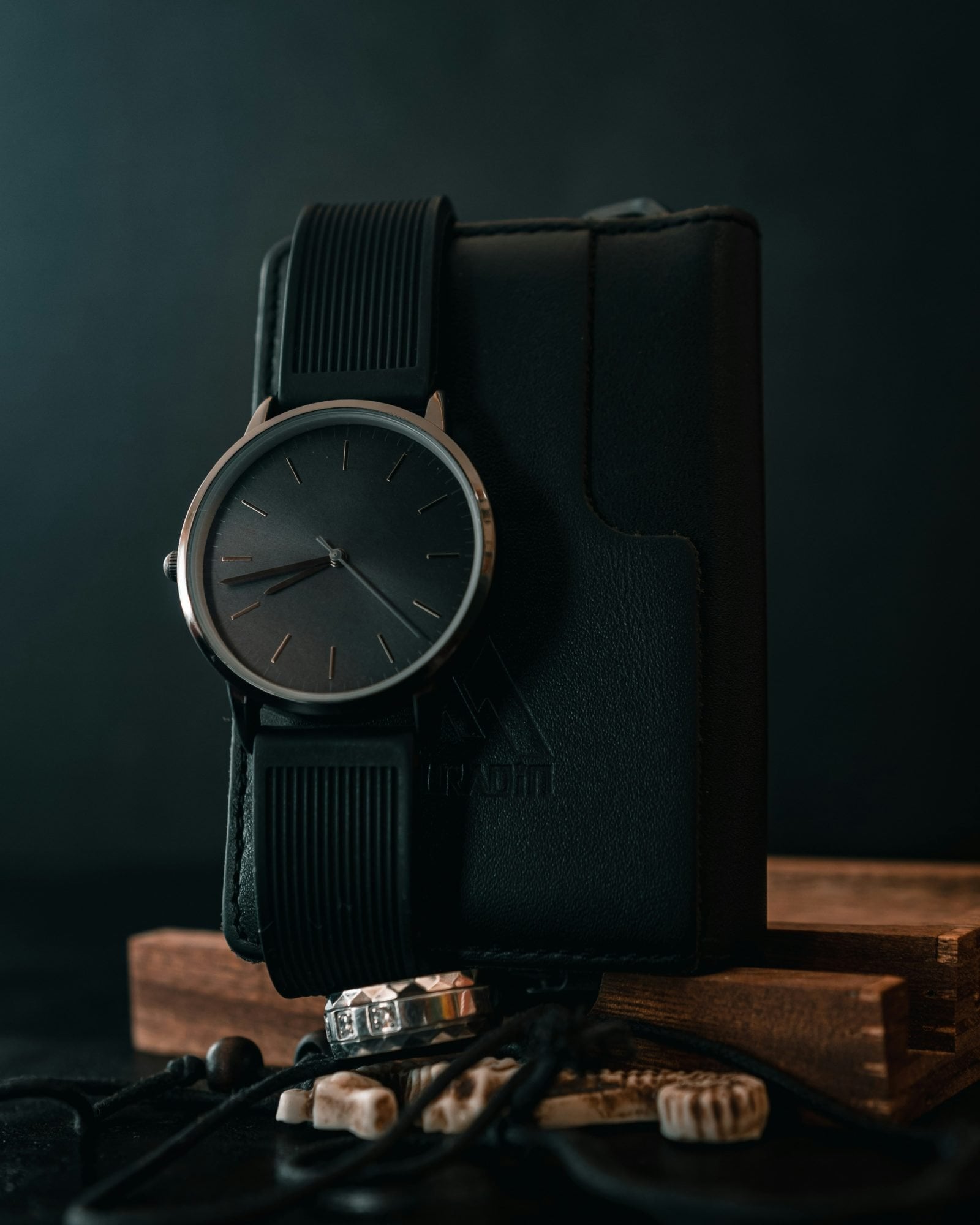
Luxury no longer lives only behind boutique counters. In 2025, the digital sphere has become the new front row — a curated, immersive space where brands manage pricing, storytelling, and exclusivity. Direct-to-consumer strategies are now standard, allowing brands to offer personalization, direct engagement, and secure authentication of orders.
But with this increased accessibility comes intense competition. From invitation-only drops to time-sensitive online exclusives, the digital experience mimics the high-stakes energy of fashion street culture — just reframed in silk and sapphire crystal. The way you purchase a timepiece now matters as much as the piece itself.
Collecting in 2025: knowledge, timing, and influence
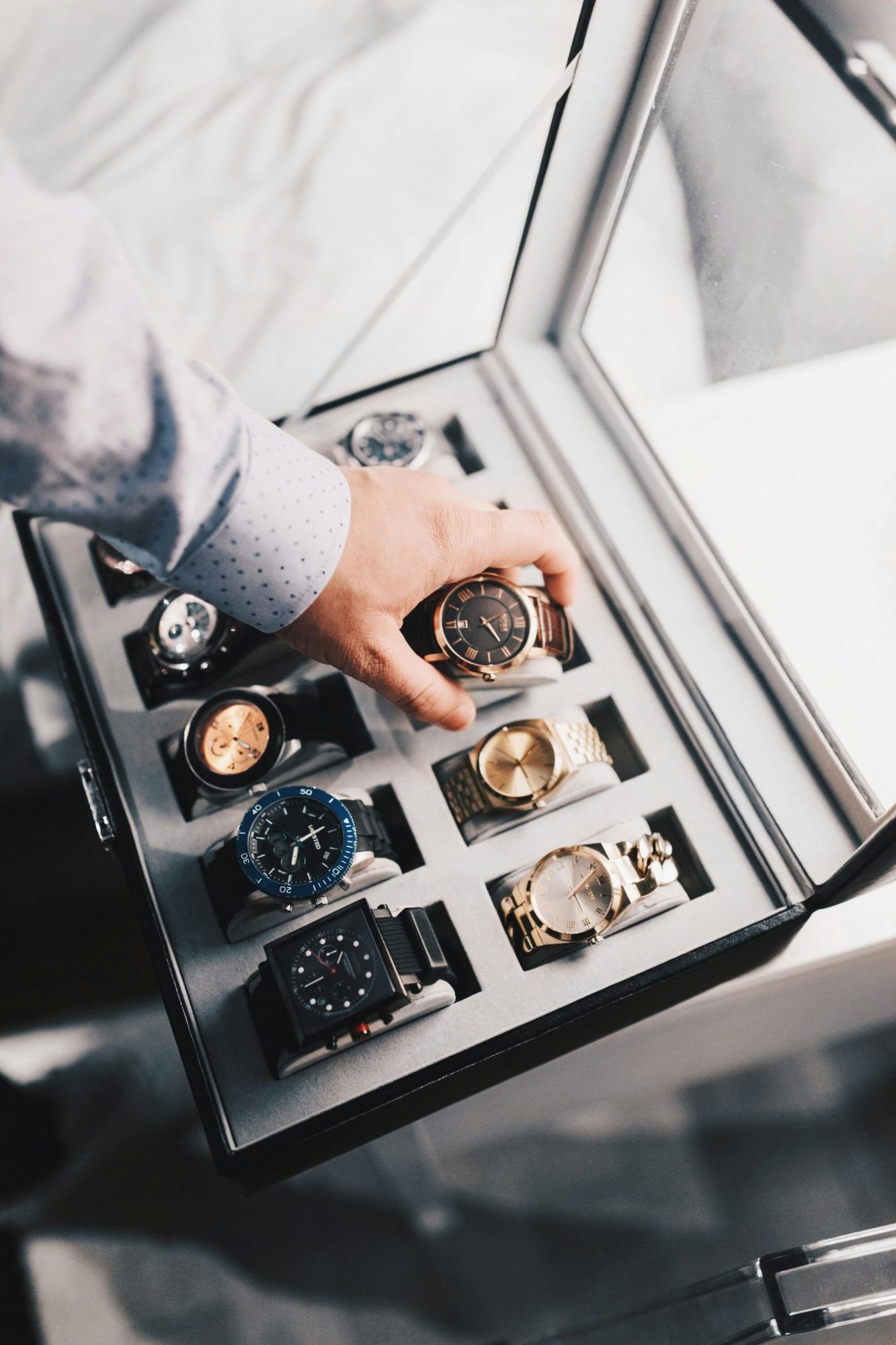
The modern collector doesn’t rely on heritage alone. Informed by forums, resale analytics, and digital communities, today’s luxury watch buyer is strategic, data-driven, and socially attuned.
This new profile increasingly includes women — collectors who navigate the space with the same authority they bring to couture or fine jewelry. A single red carpet moment or editorial feature can send a model into overdrive, and those watching the signals know exactly when to make a move. In this world, style meets instinct, and timing is everything.
Ethics and excellence: a new standard of luxury
Sustainability is no longer a marketing posture — it’s a pillar of value. Leading maisons are rethinking their operations to favor responsible sourcing, reduced emissions, and ethical craftsmanship. And while this move toward transparency is welcome, it also impacts availability.
Slow production cycles and ethical constraints lead to fewer releases, more intentional launches, and a kind of eco-luxury scarcity. The appeal lies not only in owning a rare object — but in knowing that it reflects a conscious, forward-thinking approach to excellence.
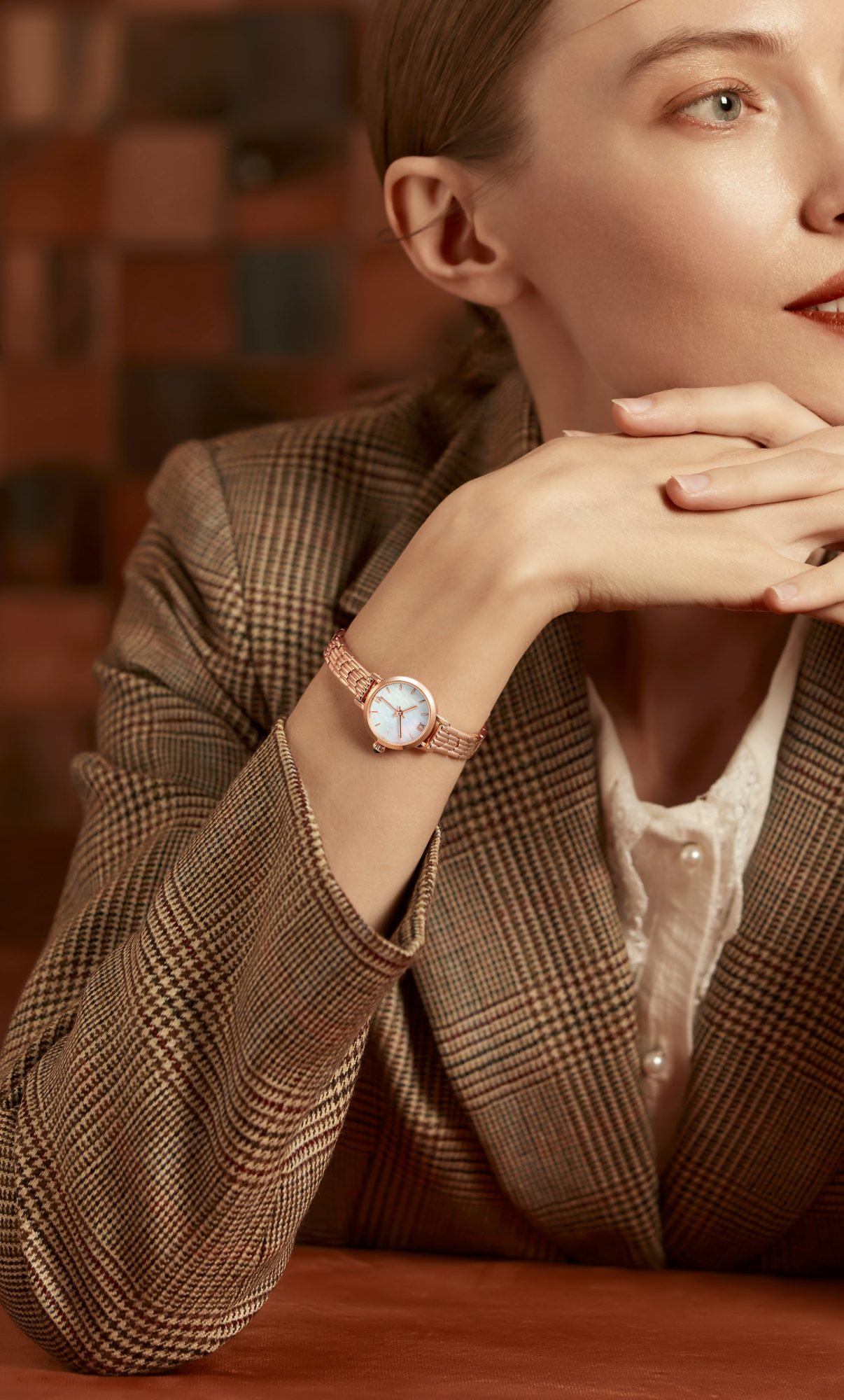
In 2025, owning a luxury watch is about more than precision or aesthetics — it’s about perspective. It’s about reading the market, recognizing the emotional and economic value of scarcity, and understanding that the modern timepiece is a mirror of our shifting world.
For those who choose wisely, a watch isn’t just a marker of style — it’s a personal strategy. And in the redefined geography of luxury, insight, timing, and discernment are the new currencies of elegance.