The new rules of sizing in the digital age
Fitting rooms? Almost passé. As online shopping becomes second nature for fashion lovers, from Soho to Silver Lake, nailing your size without ever touching the garment is the new art form. Getting it right isn’t just about convenience — it’s about confidence. Because few things feel as empowering as slipping into something that fits flawlessly the moment it arrives.
Today’s smartest shoppers aren’t guessing — they’re decoding. Armed with better tools, better data, and a better understanding of their own shape, they’re rewriting the rules of fit. Here’s how to make those rules work for you.
When data knows your size better than you do
The smartest digital retailers know: one person’s size 6 is another’s size 4 — and algorithms are learning to fill in the gaps. Platforms like the Voyado customer experience platform are helping fashion brands personalize product discovery and recommendations through AI and first-party data. BBy understanding each shopper’s preferences, behavior, and purchase history, they help reduce returns and boost satisfaction — making your online shopping journey feel more intuitive and tailored.
Think of it as a digital stylist who doesn’t just know your size but understands your shopping rhythm — what you love, skip, and save for later. It’s a kind of invisible luxury that turns browsing into a truly personal experience, especially when shopping across multiple brands with varying size standards.

Take control of your measurements
Old-school? Maybe. Effective? Absolutely. A soft tape measure and five minutes are all you need to establish your personal fit blueprint. Measure over light clothing — bust, waist, hips, inseam — and don’t forget your shoulder width or sleeve length if you love tailored pieces.
Tip: Keep your numbers saved on your phone, next to your screenshots of Saint Laurent boots and Loewe bags. Trust us, you’ll thank yourself when you’re mid-checkout.
Read the size chart like a pro
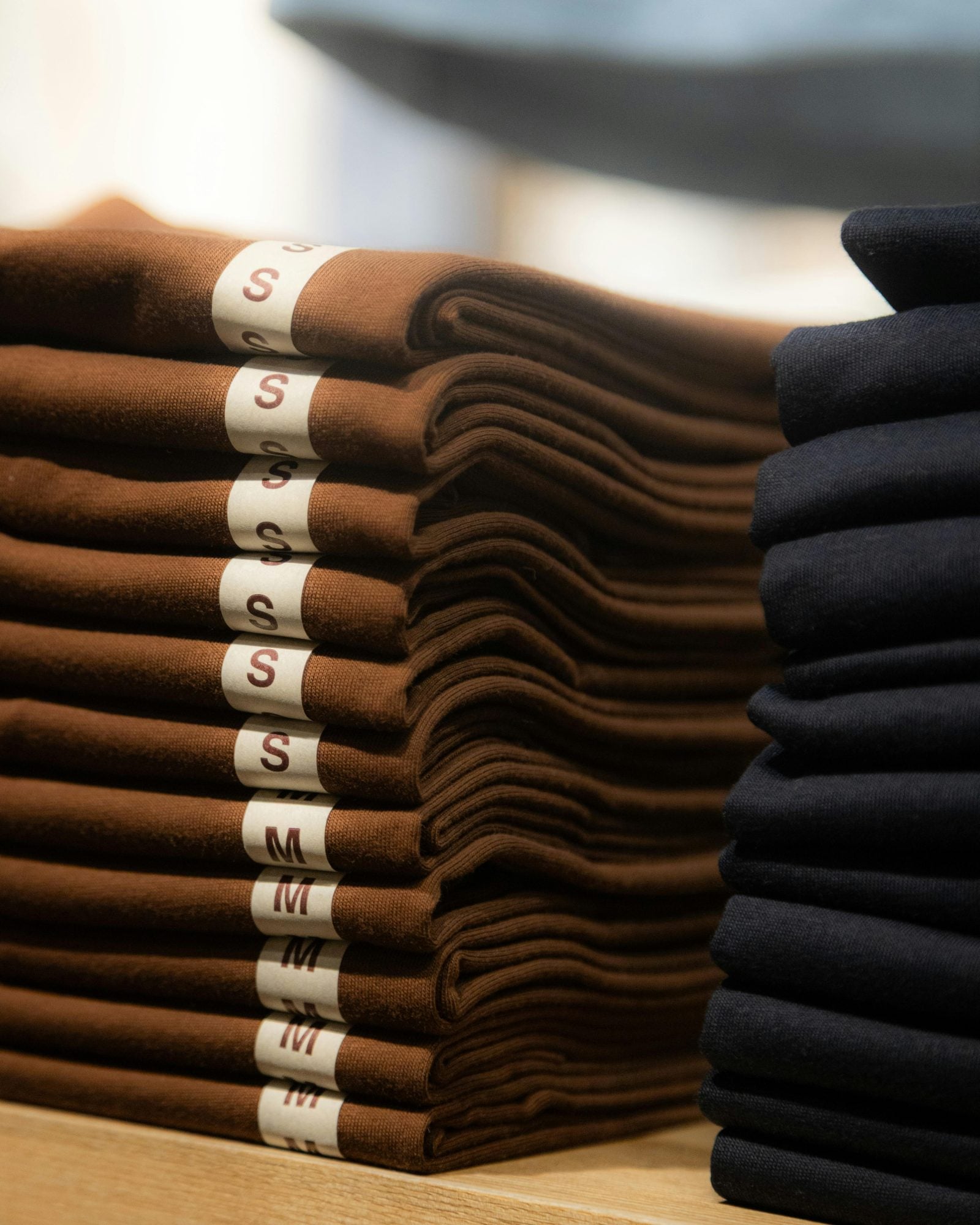
Size charts aren’t just filler content — they’re your first line of defense against disappointment. Go beyond S, M, or L and dive into the numbers. A 27″ waist doesn’t wear the same across Reformation, COS, and Frame.
International sizing? Confusing at best. This correspondence to American or UK sizes is a quick, reliable reference — especially if you’re shopping European cult labels like Nanushka or Ganni.
Fabric doesn’t lie – but it does stretch
Let’s be real: fabric can make or break a fit. A crisp poplin shirt has zero give. A soft jersey dress with even a touch of elastane? A completely different story.
Fashion insiders know to read between the lines — if a blazer is described as “structured” or “tailored,” size flexibility might be limited. But “relaxed fit” or “fluid drape”? You’re working with wiggle room. And don’t forget: some fabrics shrink after washing, even in cold water — especially natural fibers like cotton and linen.
Reviews are the real fitting room
Skip the vague reviews. Look for comments that mention height, body type, and how the piece fits post-laundry. A 5’2” shopper noting sleeve length? Invaluable. A curvier customer sharing thoughts on stretch and rise? Gold.
If ten people say the same jeans run small in the hips, believe them. Sizing becomes less mysterious when you treat reviews as mini case studies — each one a snapshot of how a garment behaves in real life.

Build your personal sizing portfolio
The more you shop, the more you learn. So keep track. Did that size 38 in The Row’s loafers feel snug? Did the Vince trousers in a 4 hang just right? Note it down — even if it’s just in a Notes app folder labeled “Fit Archive.”
Over time, this becomes your fashion cheat sheet — a tailored-to-you reference that speeds up your next purchase and eliminates the guesswork. Add your wishlist and saved brands, and you’ve got a personal shopping strategy that’s both curated and efficient.
There’s something deeply satisfying about finding your fit without ever stepping into a dressing room. It’s a mix of precision, intuition, and digital savvy — all in service of one goal: clothes that feel like they were made for you.
Because in today’s fashion landscape, where personalization is the ultimate luxury, getting the size right isn’t just practical. It’s part of your style identity.