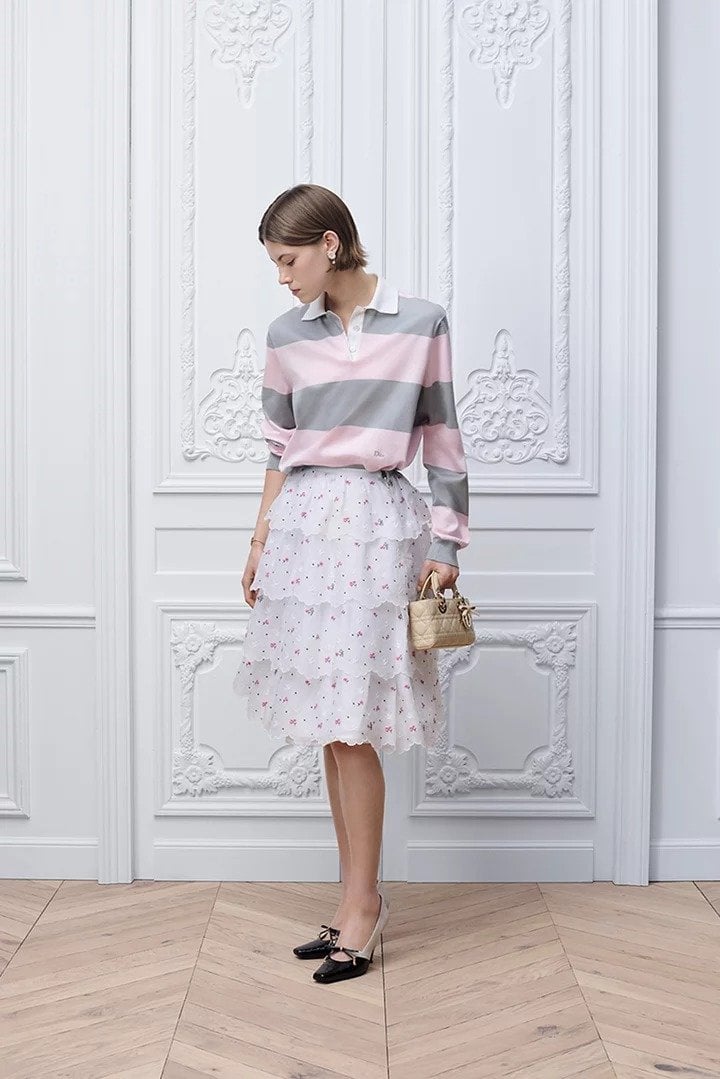
Parisian chic: the art of luxury mix & match
Parisian chic is never announced—it is assembled. The most compelling silhouettes hinge on tension: a couture handbag offset by raw denim, an archival piece styled with a razor-sharp white shirt. Luxury, today, is less about logos and more about literacy. It lives in the intelligence of the pairing.
In an era shaped by algorithm-driven trends and overnight virality, discernment has quietly become the ultimate status symbol.
The iconic bag as a stylistic anchor
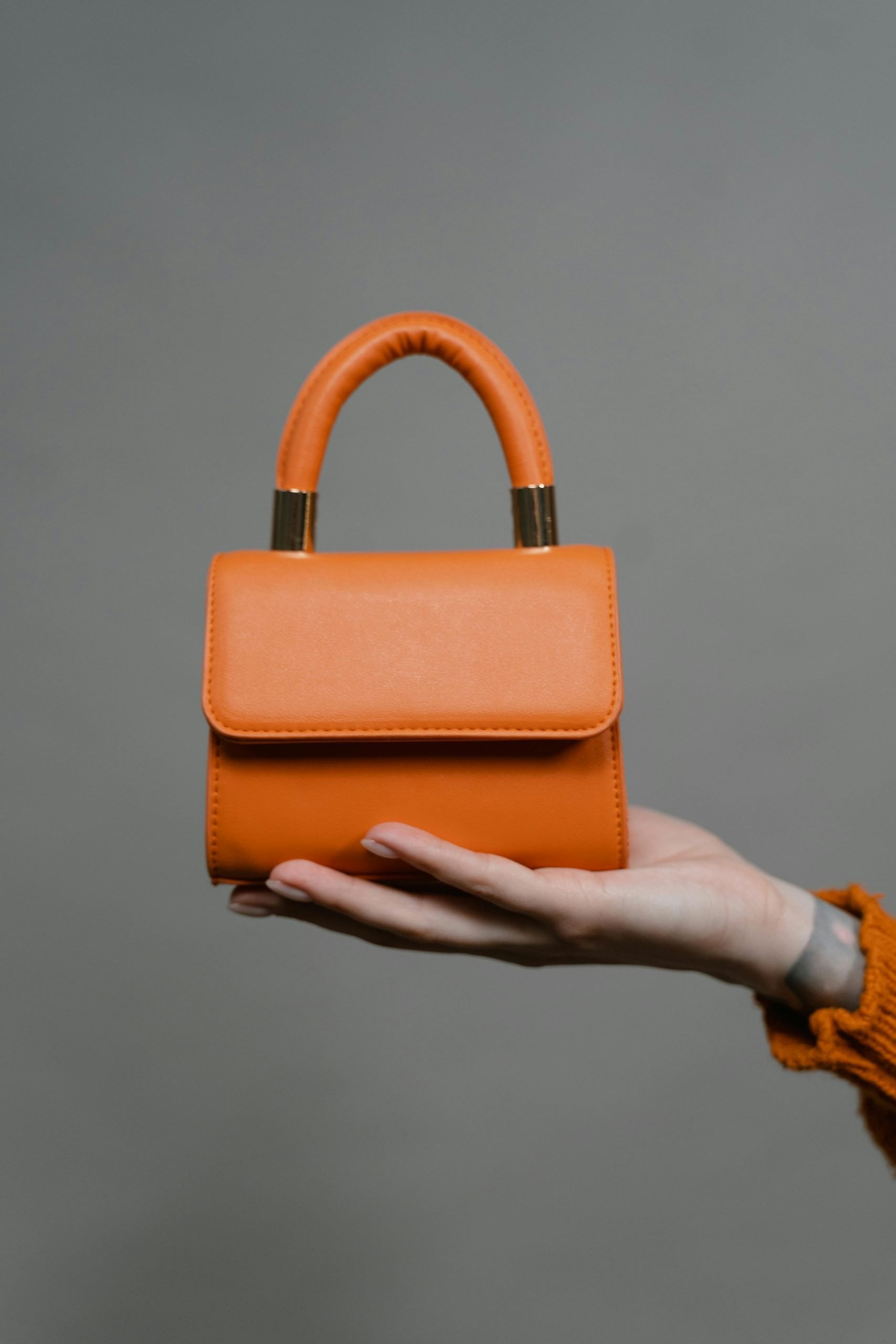
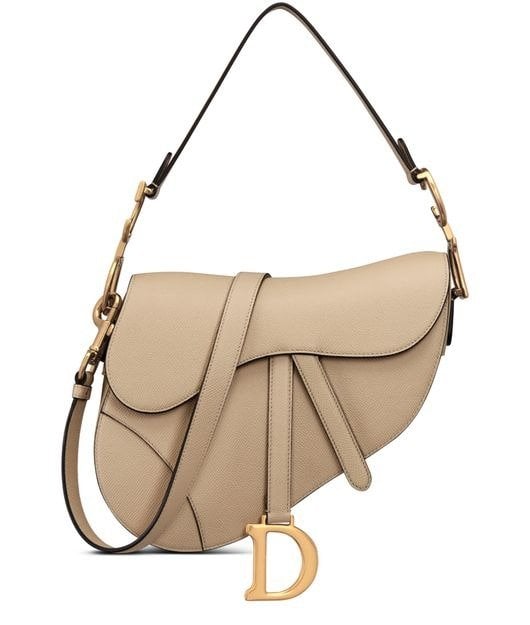
Every memorable look begins with a focal point. The Lady Dior, with its architectural cannage quilting, has embodied refinement since 1995. The Saddle bag, revived under Maria Grazia Chiuri, carries a confident irreverence that feels distinctly modern. Louis Vuitton’s Capucines speaks the language of craftsmanship—structured, sculptural, deliberate. Celine’s Triomphe channels Left Bank restraint with almost intellectual precision.
These are not accessories. They are anchors.
Worn with oversized tailoring or straight-leg denim, a couture handbag recalibrates proportion. The contrast is intentional. A minimalist outfit creates space—space for construction, heritage, and nuance to surface without competition.
Specialized platforms such as 24S—the only pure luxury e-commerce player truly anchored in Paris and officially backed by LVMH—offer a tightly edited selection of authenticated pieces from these heritage houses. Among them, a refined assortment of exclusive Dior bags reflects this balance between contemporary desirability and couture legacy. The point is not abundance. It is accuracy.
Heritage meets modern minimalism
Recent Paris runway moments reinforce the philosophy. Dior staged against the Tuileries Gardens. Louis Vuitton inside the Louvre. Monumental backdrops, restrained silhouettes. Impact through contrast.
The art of mix & match is not trend-driven—it is structural. Pair an iconic handbag with wardrobe constants: a sharply cut blazer, a crisp poplin shirt, a belted trench. The heritage of the house meets the immediacy of the present. Nothing feels forced.
American style has long flirted with this idea. Think Carolyn Bessette-Kennedy in Manhattan—minimal lines, one statement bag, absolute clarity. The formula endures because it works. Quiet authority never goes out of style.
As explored in our guide to timeless luxury handbags, true investment pieces are those that transcend seasonal cycles. They move effortlessly from daytime denim to evening tailoring. They hold narrative weight.
The archive obsession: why rarity resonates now
A noticeable shift is shaping the luxury conversation, particularly in the U.S. market: the pursuit of the archive. Collectors in New York and Los Angeles are increasingly drawn to pieces from past collections—objects that capture a specific creative era. Rarity is no longer just about limited supply; it is about context.
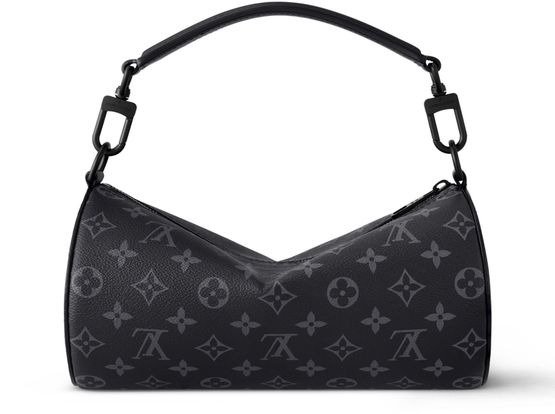
Louis Vuitton’s “Ultimates”—rare models sourced from previous collections—respond directly to this desire. They offer something beyond novelty. They offer history.
In a saturated digital marketplace, newness is constant. What feels scarce is meaning.
Here, digital retail redefines exclusivity. What was once confined to flagship boutiques in Paris is now accessible to a global clientele—without compromising authenticity. For American consumers accustomed to immediacy, this shift is significant: access expands, but curation becomes the filter. Exclusivity evolves from geography to selection.
24S and the strategic power of Paris
Within an international landscape dominated by global luxury conglomerates and multi-brand platforms, 24S occupies a singular position. Rooted in Paris and directly connected to LVMH, it translates the sensibility of the French capital into a digital framework.
That distinction matters—especially in the U.S., where luxury consumption is both aspirational and highly informed. American clients are no longer satisfied with availability alone; they seek provenance, credibility, and editorial perspective. A Paris-anchored platform carries cultural authority. It does not simply distribute product. It curates a worldview.
For a woman in New York, Chicago, or Miami, accessing Dior, Louis Vuitton, or Celine through a Paris-based lens subtly shifts the experience. It feels closer to the source. More intentional. Less transactional.
Luxury in the digital era is no longer defined by speed. It is defined by selection, context, and restraint. And as Paris continues to shape the global imagination—on the runway and online—the art of mix & match remains its most enduring lesson.
Elegance, after all, is rarely loud. It is precise.