A plush toy meant to last beyond Christmas
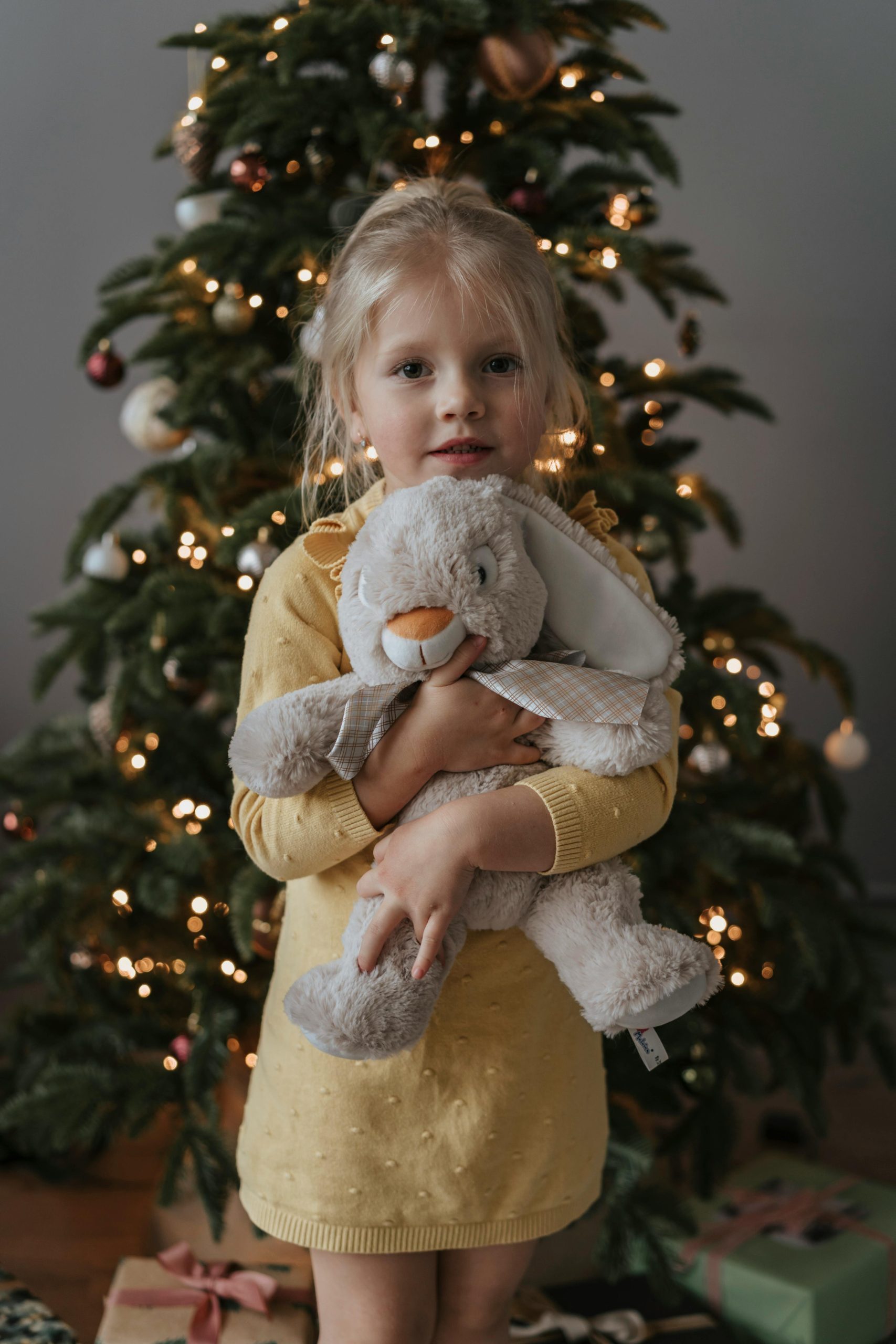
Long after the wrapping paper is gone and the tree has been taken down, certain Christmas gifts remain quietly present. A well-chosen plush toy is one of them. It doesn’t rely on novelty or spectacle. Instead, it settles naturally into a child’s everyday life—resting on a pillow, tucked under an arm during car rides, waiting patiently at bedtime. Beyond Christmas morning, it becomes something personal: an object of comfort, familiarity, and memory that evolves alongside the child who loves it.
Why plush toys remain a childhood essential
Before they are playful or decorative, plush toys serve an emotional role. They offer reassurance, consistency, and a sense of stability in a child’s world. Unlike toys designed around trends, screens, or short-lived excitement, quality plush toys follow a slower rhythm. They are held repeatedly, carried from room to room, and often kept close during moments of transition. Their value lies in presence rather than performance, which is why they remain one of the most enduring and meaningful gifts of childhood.
When fabric makes all the difference
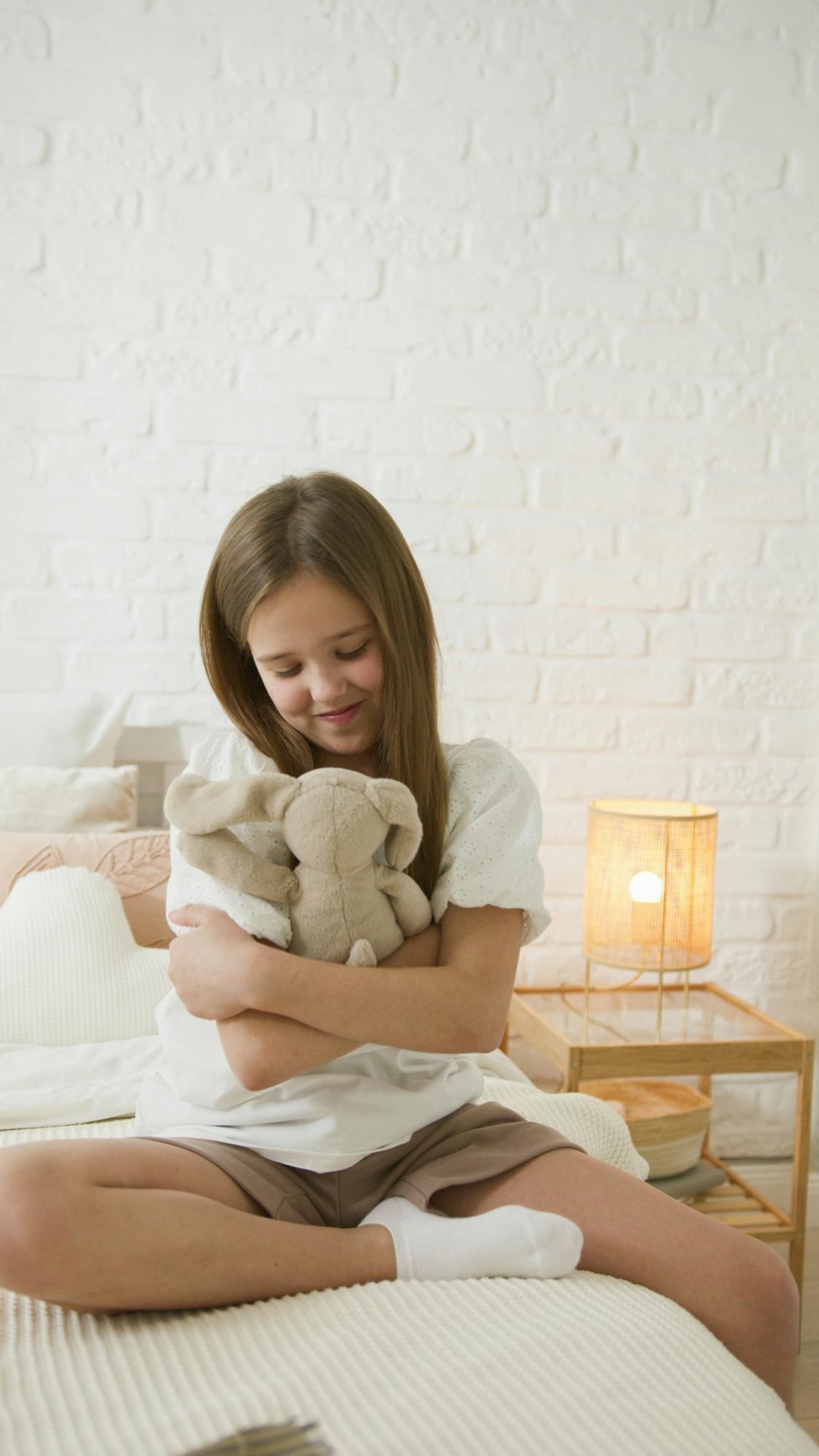
Quality reveals itself first through touch. Plush toys are crafted from dense, resilient fabrics that feel soft without being fragile. These materials retain their texture after repeated washing, resist pilling, and maintain an even surface where small hands grip most often. Thinner, glossy fabrics may photograph well online, but they tend to flatten, fade, or lose softness over time. Thoughtfully curated brands—such as those available through Hugglemoo’s official site—favor substance over surface appeal, choosing materials designed to age gracefully rather than impress momentarily.
Safety: the invisible luxury that matters most
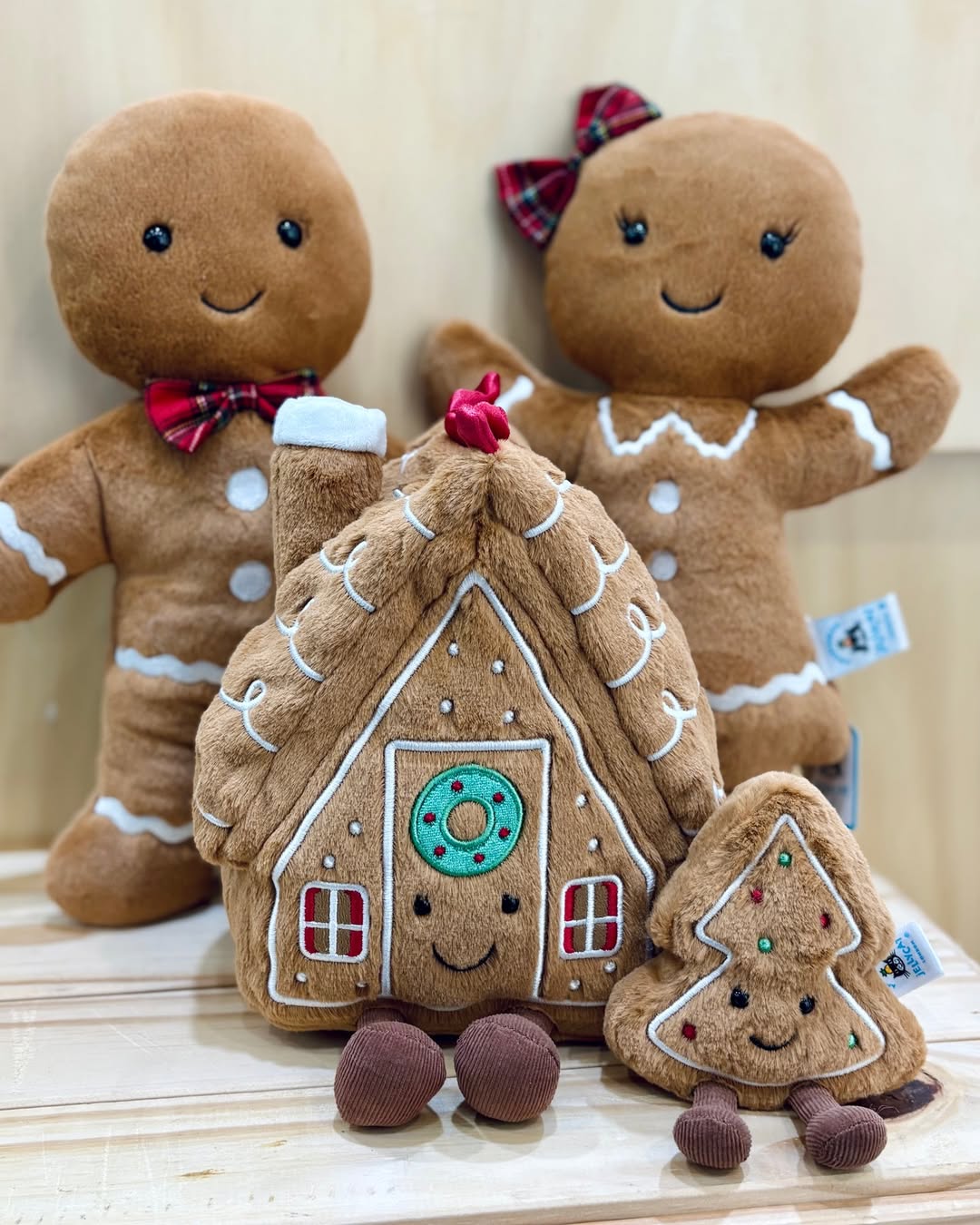
True quality is inseparable from safety. Behind the apparent simplicity of a plush toy lies a careful balance of design and regulation. Securely embroidered features, reinforced attachments, non-toxic dyes, and flame-resistant materials are essential components of responsible manufacturing. In the United States, the CPSC provides detailed guidelines that reputable brands follow closely, ensuring plush toys meet rigorous standards before reaching a child’s hands. This invisible layer of protection is, in many ways, the most valuable aspect of a well-made toy.
Stitching, structure, and balance: details that last
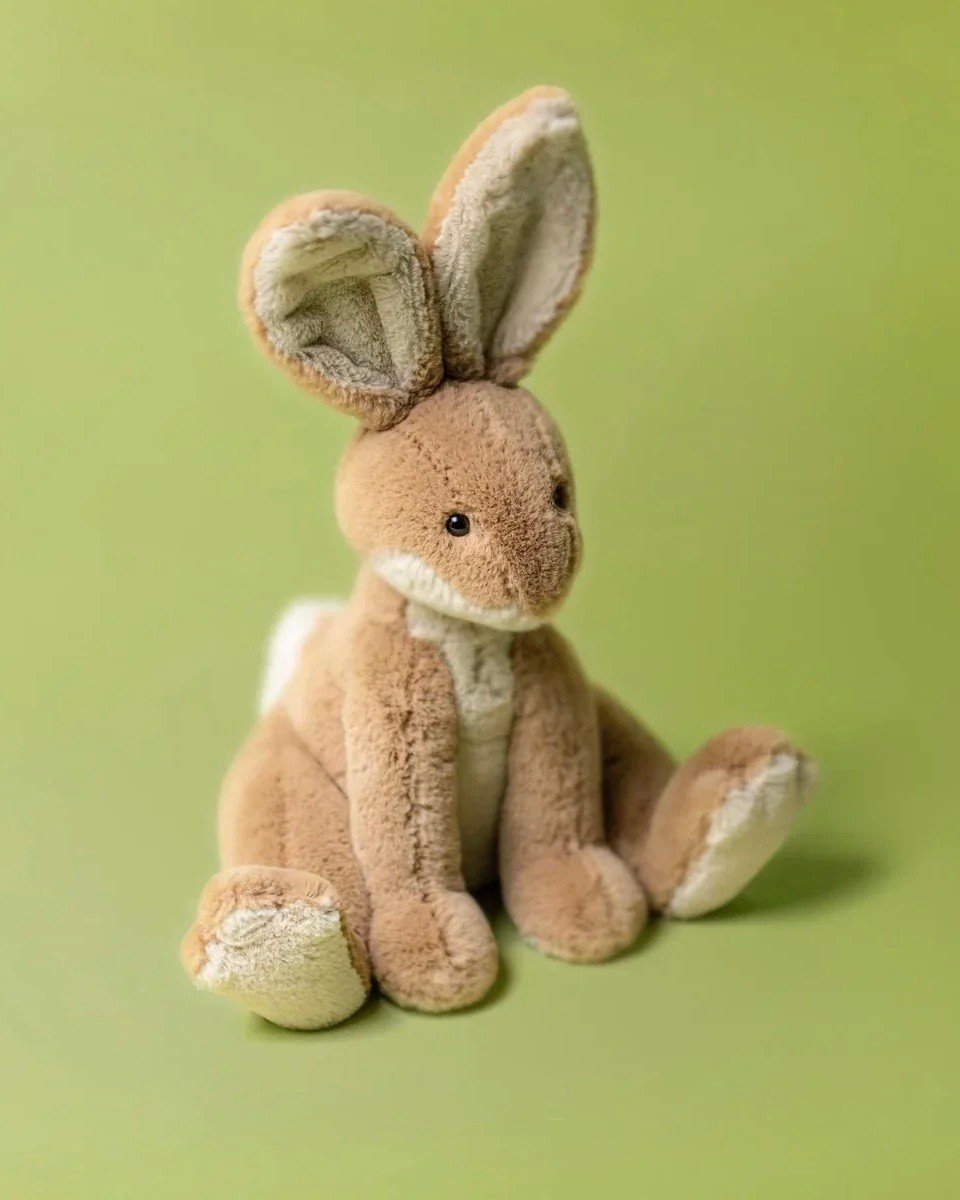
Durability is defined by construction. Reinforced seams at the arms, legs, and head help plush toys withstand years of handling without splitting or warping. Inside, premium filling should feel evenly distributed, maintaining its shape after repeated squeezing and hugging. The best designs strike a careful balance: substantial enough to feel comforting, yet never heavy for its size, allowing children to carry, cuddle, and reposition the toy effortlessly. These small technical choices make a noticeable difference over time.
Brands, trust, and authenticity
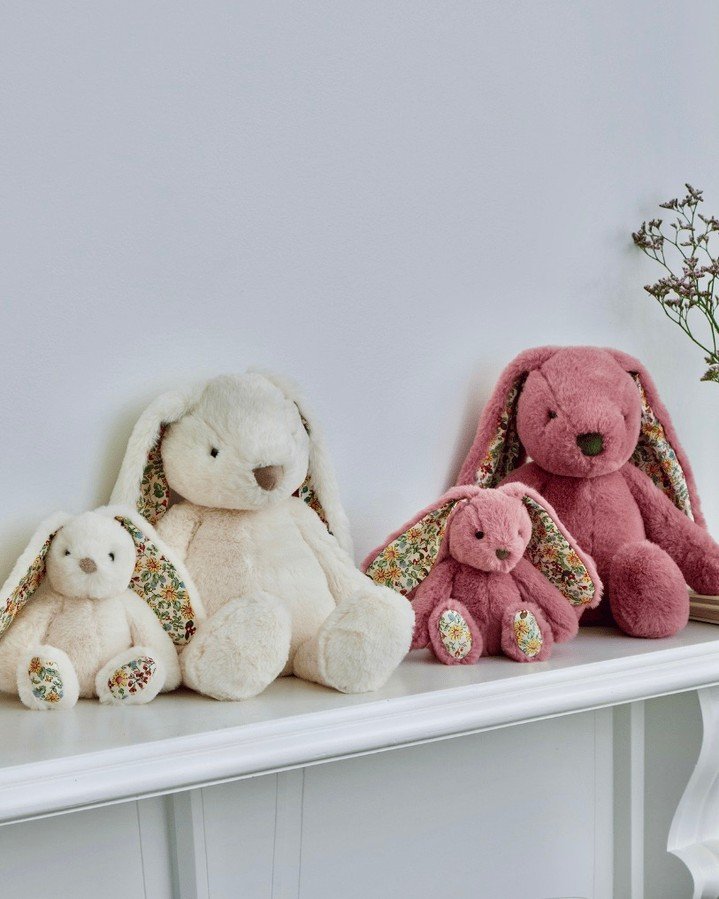
As the holiday season approaches, the plush toy market becomes increasingly crowded. Academic research and industry data confirm that counterfeits flood the market, particularly around popular characters and viral designs. These imitations often use inferior materials and bypass safety testing altogether. Choosing established brands and purchasing from reputable retailers is not simply a matter of preference—it is a safeguard against poor quality and potential risk. Trust, in this context, is part of the product itself.

A Christmas gift that grows with them
The plush toys that endure are often the most restrained in design. Clean lines, balanced proportions, and timeless color palettes age far better than overly embellished styles. Ribbons fray, sequins loosen, and printed details fade, while embroidered features and thoughtful construction remain intact. A plush toy chosen with care doesn’t lose relevance once the holidays pass. Instead, it quietly gathers meaning—bearing witness to growth, change, and the small rituals that shape childhood.