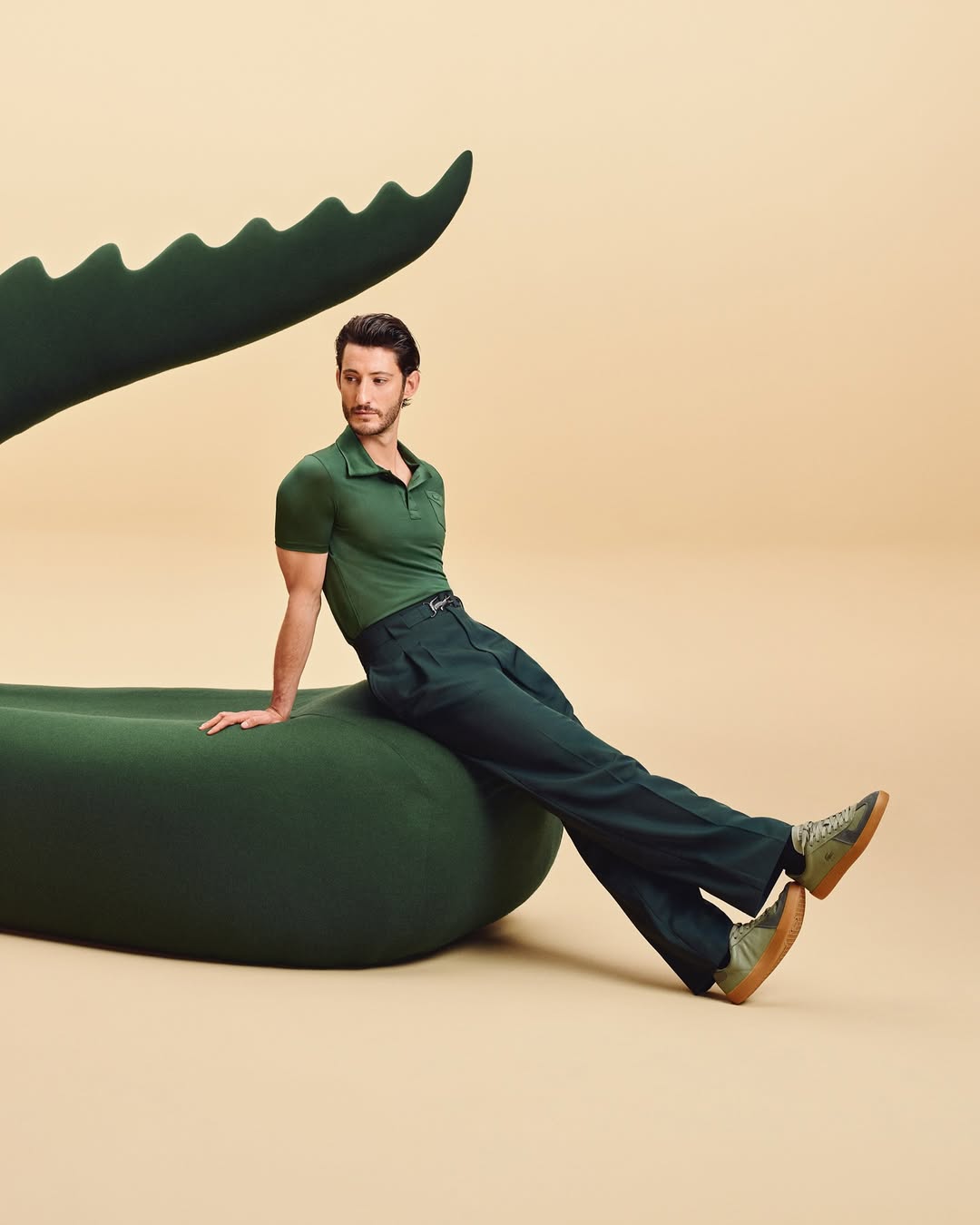
The polo shirt: a quiet classic that outlasts trends
Some clothes never shout, yet they never disappear. The polo shirt is one of them. Not quite a statement piece, not exactly neutral—it lives in that rare middle ground of menswear: the kind of garment you reach for without overthinking, but that still says something subtle about you.
In 2025, as men’s fashion drifts between streamlined minimalism and softly spoken eccentricity, the polo remains. Not loud. Not dominant. Just quietly, consistently present. You see it on those who have nothing to prove—but plenty of style to express. Is it still fashionable, or simply above fashion altogether? One thing’s certain: if the polo has a moment, it’s always just another in a long line of them.
A garment born in code: between sport and refinement
The polo didn’t originate on runways—it came from the elite courts of early 20th-century sports. First worn by tennis and polo players, it found iconic status in 1929 when René Lacoste reinvented it as a performance garment with poise. With its soft collar, button placket, and breathable piqué cotton, the polo rewrote the rules of casual elegance for men.
Its genius lies in its duality—offering ease and polish in equal measure. That balance helped it move seamlessly from tennis courts in the 1930s to Ivy League campuses in the 1950s and yacht clubs in the 1980s. For decades, the polo has served as a visual cue of leisure, taste, and self-assurance.
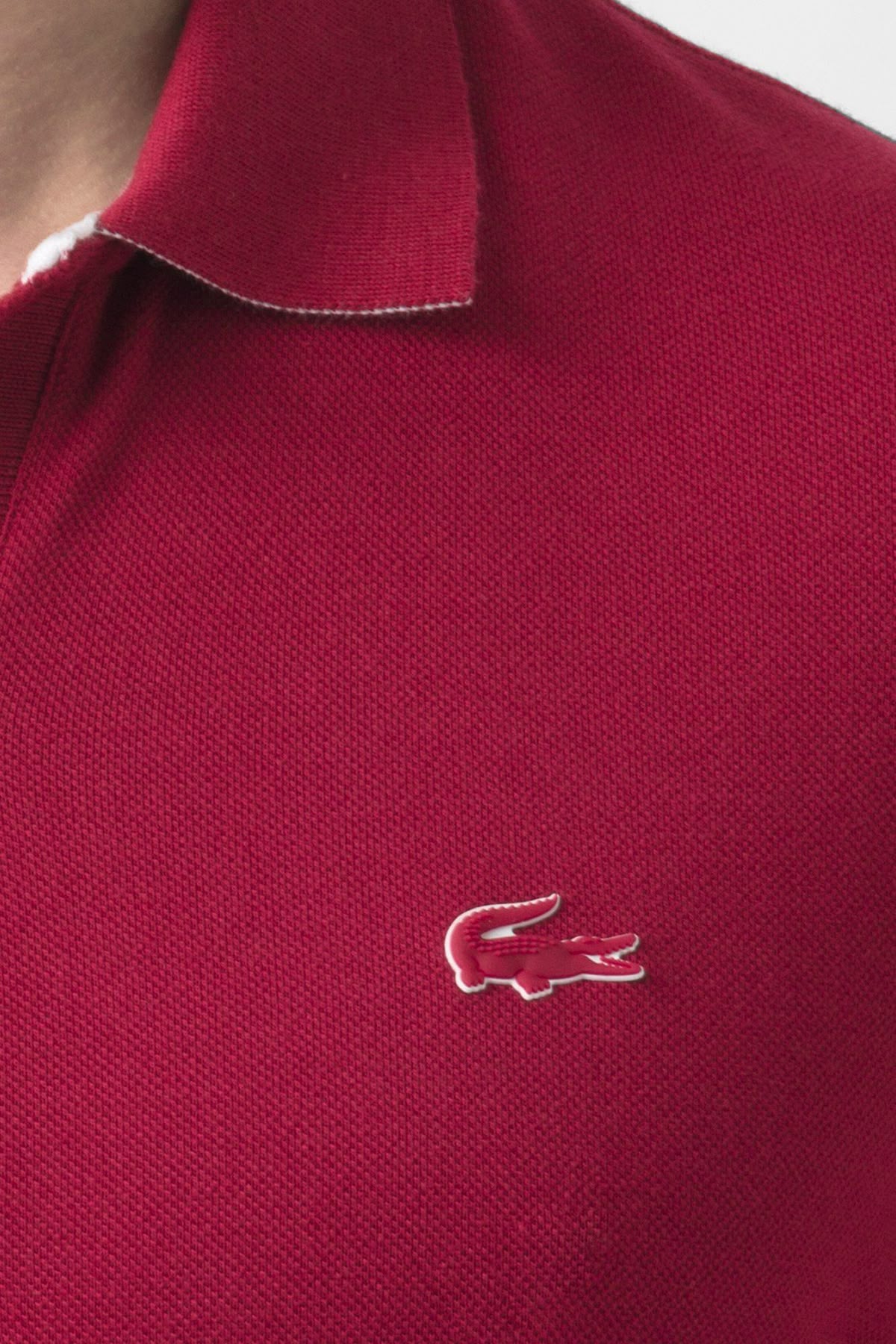
Among the brands continuing that tradition is Lacoste Men Polos. The French label, credited with inventing the modern polo shirt, has remained remarkably consistent while always adapting. Today, Lacoste polos come in sleek, minimalist cuts, technical fabrics, and subtle palettes—an ongoing conversation between heritage and innovation.
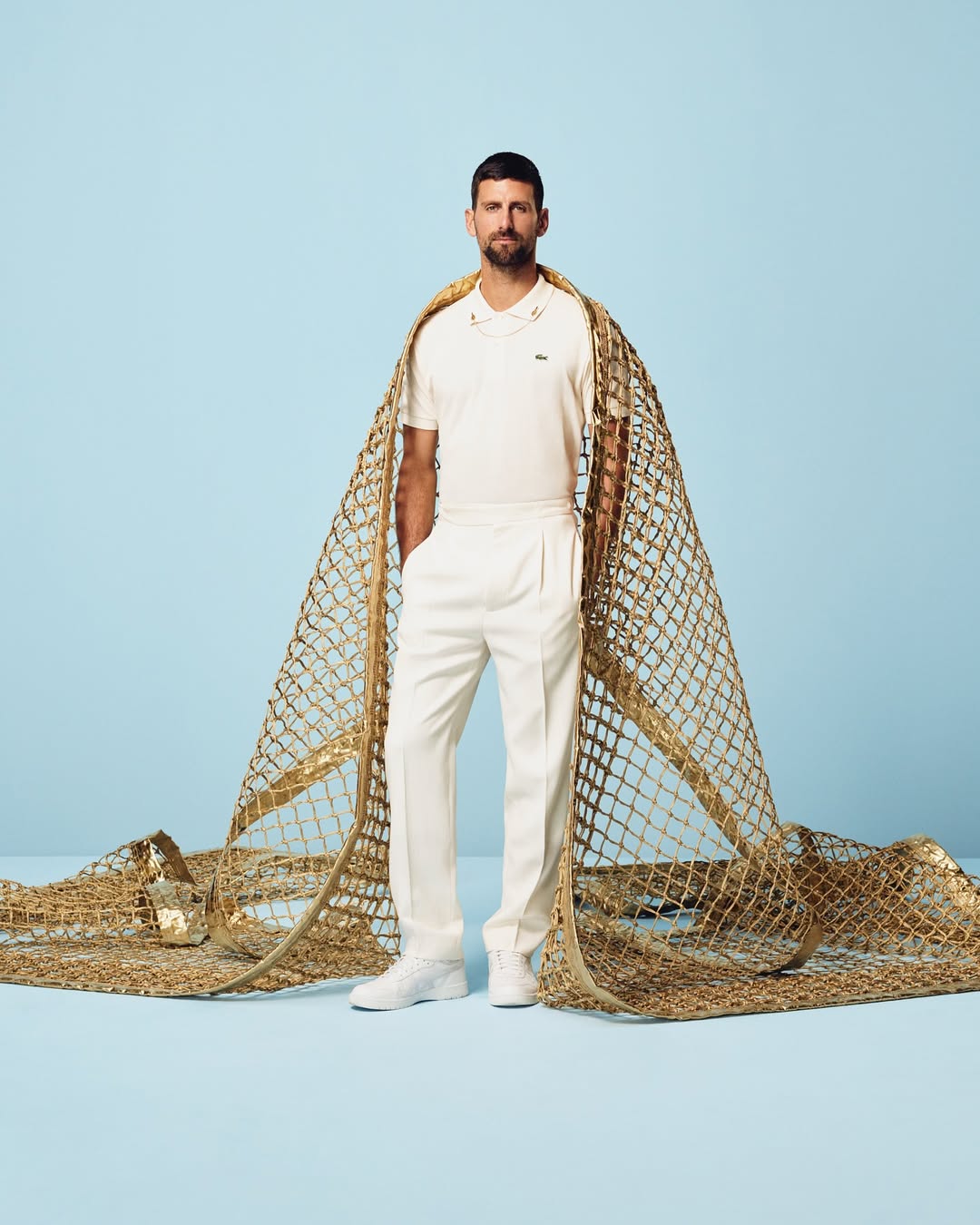
A design that stands the test of time
So what explains the polo’s staying power? Perhaps it’s that it answers a question most men have asked at one point: How can I look put-together without looking like I tried too hard?
The polo’s construction—structured yet soft, tailored but not stiff—makes it incredibly versatile. It’s dressier than a t-shirt, but less formal than a button-down. It’s the one piece that fits across nearly every lifestyle: corporate creative, off-duty athlete, quiet minimalist. It has long been a staple of the modern man’s wardrobe for exactly that reason.
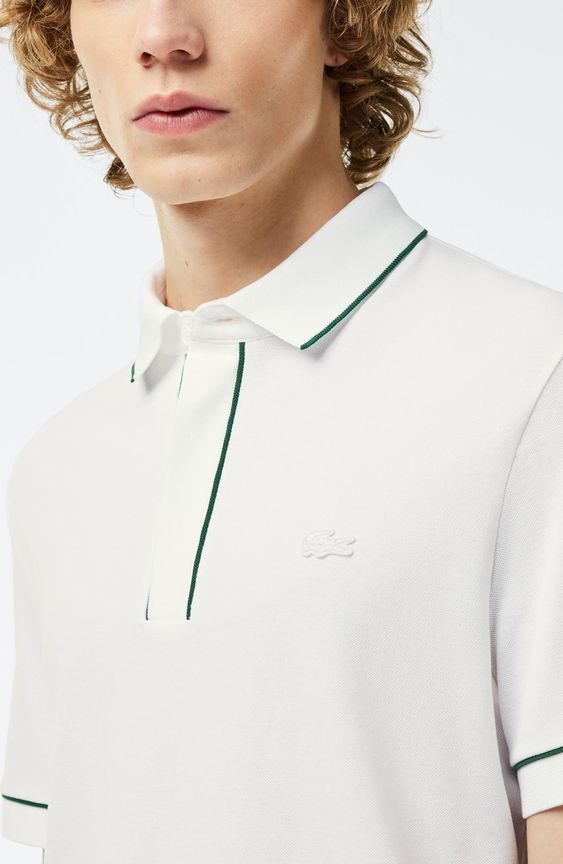
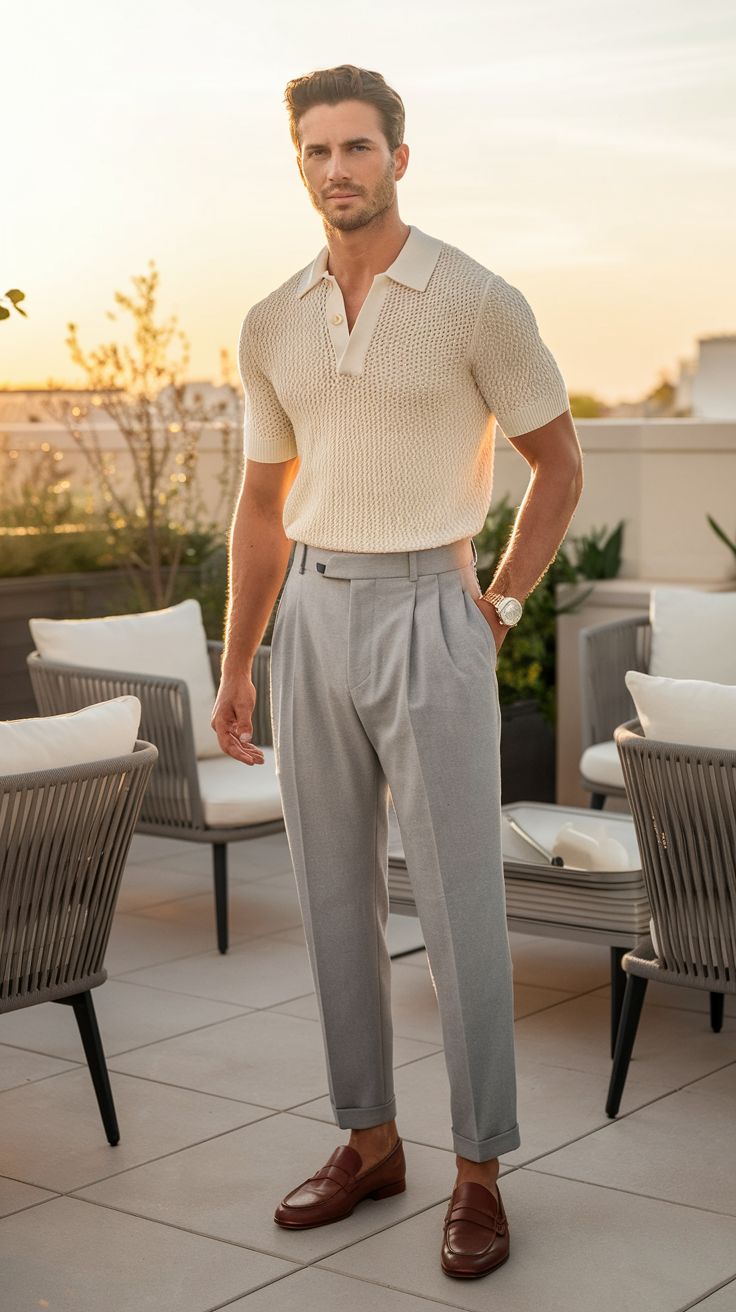
Its most distinctive element, the collar, acts as a frame. It sharpens the neckline, elongates the silhouette, and introduces a sense of intention. This simple detail is what allows the polo to elevate any outfit. Pair it with tailored trousers and loafers, and you’re channeling effortless Riviera elegance. Tuck it into jeans with a leather belt and you have a weekend look that still reads sharp.
In 2025, the fashion world continues to favor pieces that can transition between settings—office to dinner, city to coast. The polo has been doing that long before “day-to-night” became a selling point.
Less trend, more identity
Look closely at the Spring/Summer 2025 shows, and you’ll notice the polo has returned—not as a nostalgia piece, but as a quiet symbol of modern elegance. At Hermès, it appeared in whisper-soft cashmere with barely-there seams, worn with relaxed tailoring that felt quietly decadent. At Tom Ford, the polo took a sultrier turn—cut close to the body in espresso-toned knits, perfect for late-night settings with a tuxedo pant or tailored denim.
Todd Snyder, a New York-based label known for its American-modern tailoring, presented polos as essentials within tonal, textural looks. Think dusty green polos worn under matching jackets, styled with drawstring trousers and leather sneakers. The message was clear: comfort is no longer a compromise—it’s a design principle.
Meanwhile, Brunello Cucinelli leaned into its signature visual poetry: ultra-fine knits, soft neutrals, and layering that whispered luxury. The polo here wasn’t loud, but it didn’t need to be. It radiated quiet confidence, the kind that doesn’t seek attention but holds it anyway.
The new rules of wearing a polo
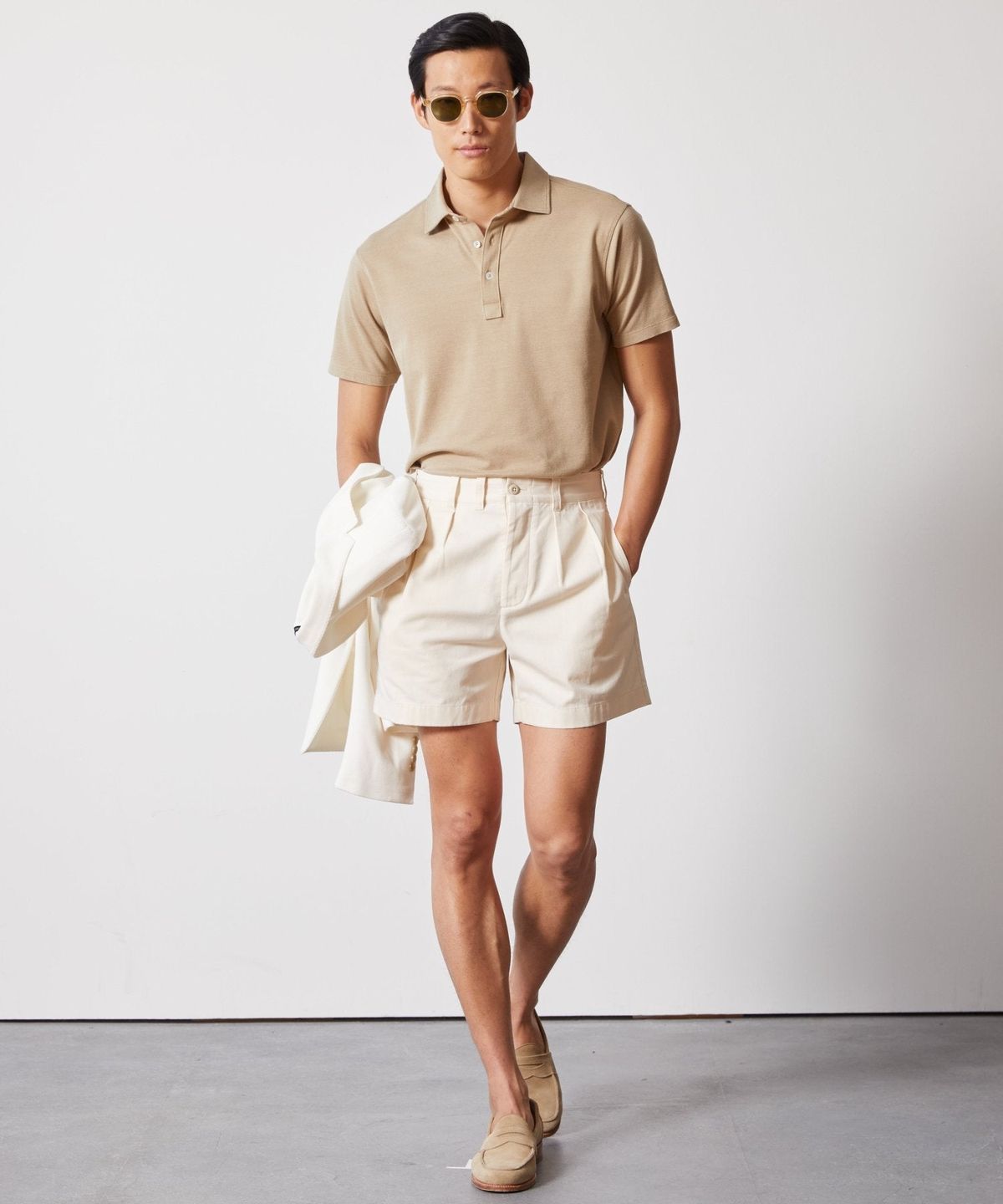
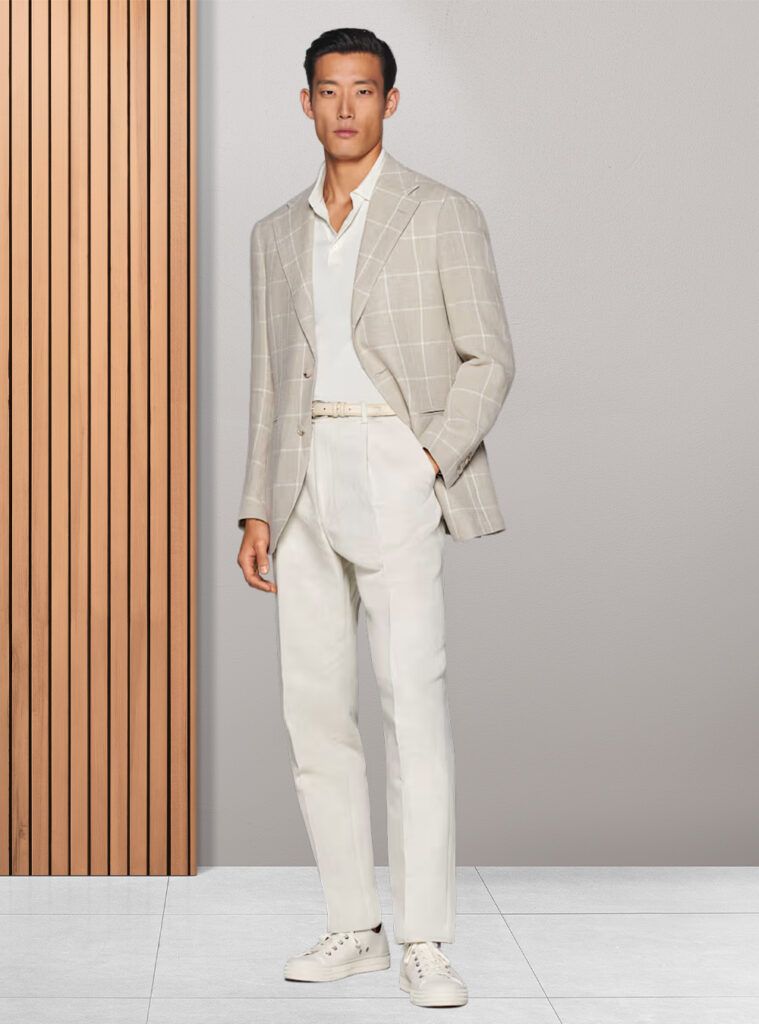
In 2025, how you wear a polo says just as much as which one you choose. It’s less about default combinations and more about intentional styling. Want a refined casual look? Go tonal—match your polo to your trousers and shoes, keeping textures varied to avoid flatness. For a business-casual upgrade, layer a navy polo under a lightweight blazer, paired with tailored chinos and leather derbies.
Fit is also essential. Oversized cuts may work for Gen Z, but for a grown-up wardrobe, precision wins. Look for slim—but not tight—silhouettes with quality details: ribbed sleeves, genuine mother-of-pearl buttons, a collar that holds its shape.
And color? The palette has evolved. While white and navy will always be classics, earth tones, olive, dusty rose, and muted gray have become the new neutral. These hues work beautifully under natural light and pair well with linen, suede, and lightweight wool—2025’s key summer materials.
The personal statement in a polo
There’s something almost radical about simplicity now. In an age of logo fatigue and fast fashion burnout, wearing something well-made and understated feels like a declaration.
The modern polo lets you express that. It’s a garment of quiet intentionality. Opt for a long-sleeve merino polo and wear it tucked into pleated trousers for a subtle nod to 1970s elegance. Or choose a clean black version, worn open at the collar with a fine chain necklace and loafers—modern, grown-up, and self-aware.
Wearing a polo today isn’t automatic—it’s curated. And that’s the beauty of it. You’re not hiding behind a trend or overstating your look. You’re simply choosing better. Choosing smarter. Choosing timeless.
The verdict: always relevant
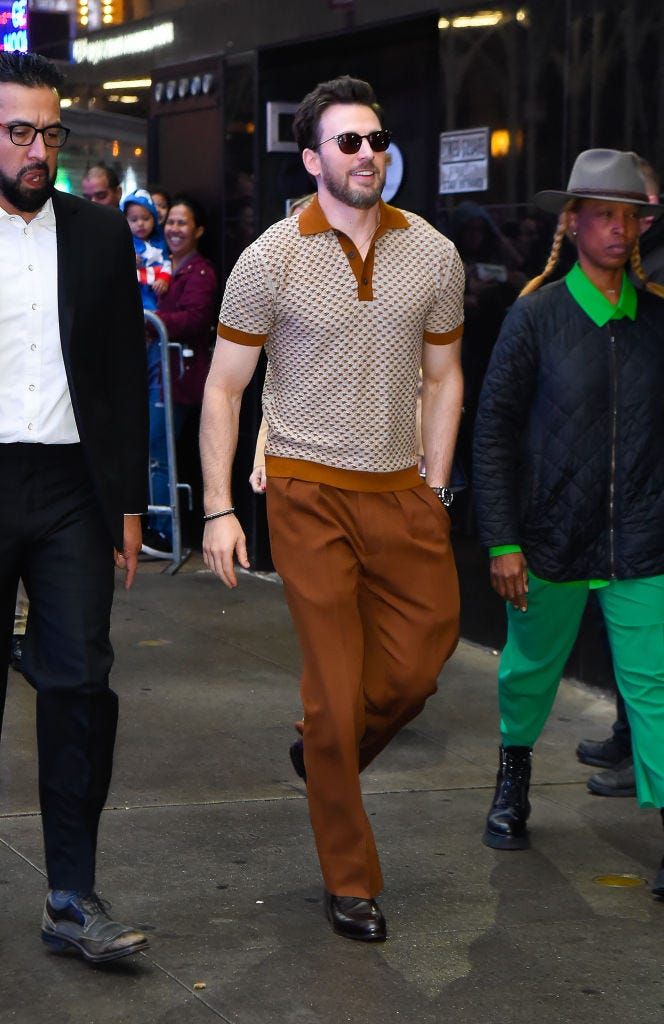
The polo shirt isn’t a revival. It’s a constant. A subtle through-line across generations of men who dress with intention. In 2025, its relevance doesn’t come from reinvention but from its ability to adapt while staying true to its roots.
Where fast trends seek your attention, the polo earns your respect. It speaks to a refined masculinity, one that doesn’t require embellishment or spectacle. Just substance.
So is the polo still fashionable? Perhaps that’s the wrong question. The better one might be: what else has managed to stay this relevant for this long?