Your skin’s seasonal reset: what to change as the weather shifts
Your skin often senses change before you do. A cleanser that once felt comforting suddenly leaves your face tight. Makeup settles unevenly. You wake up with dryness, congestion—or both at once. These quiet shifts are rarely a sign that your routine failed. More often, they signal a transition.
What your skin needs at that moment isn’t a full overhaul. It’s a reset—one that reflects what the environment is asking of it now.
Seasonal skincare isn’t about chasing trends. It’s about responding intelligently to reality.
- 1. How the environment redefines skin balance
- 2. Adjusting the essentials without overhauling your routine
- 3. Professional treatments during seasonal transitions
- 4. Ingredients worth rotating with the seasons
- 5. Lifestyle habits that support seasonal skin health
- 6. An approach that evolves with the seasons
How the environment redefines skin balance
Skin is constantly reacting to its surroundings, even when changes feel subtle. Temperature, humidity, wind, sun exposure, and indoor air quality all influence how skin behaves.
Cold weather slows oil production while dry air accelerates moisture loss. Indoor heating compounds the issue, weakening the skin barrier and leading to tightness, flaking, and heightened sensitivity—even for skin that’s usually resilient.
Warm weather presents a different challenge. Heat increases sweat and oil, making pores more prone to congestion, especially when sunscreen, makeup, and pollution accumulate. Breakouts become more common, while dehydration can still exist beneath the surface.
Transitional seasons are often the most disruptive. One week feels cool and dry, the next warm and humid. Products that worked perfectly a month ago may suddenly feel off. Uneven texture, redness, and unexpected breakouts tend to appear during these in-between moments.
None of this means your routine stopped working. It means your skin is asking for subtle recalibration.

Adjusting the essentials without overhauling your routine
A seasonal reset starts with the basics—the products used morning and night that quietly determine how skin feels.
As temperatures drop, foaming or gel cleansers can become overly stripping. That “clean” feeling often turns into tightness minutes later. Cream or milk cleansers tend to cleanse effectively while preserving moisture. As the weather warms, lighter formulas help manage oil and sweat without feeling heavy.
Moisturizer is often the first step that needs adjustment. Lightweight lotions work well in heat and humidity but fall short in cold, dry air. Richer creams help reduce moisture loss and support the skin barrier. For many, layering—adding a hydrating serum beneath a familiar moisturizer—works better than switching products entirely.
Sun protection remains essential year-round. UV exposure does not stop when temperatures drop, as highlighted by official environmental data. Switching to a lighter texture often makes daily use more comfortable and consistent.
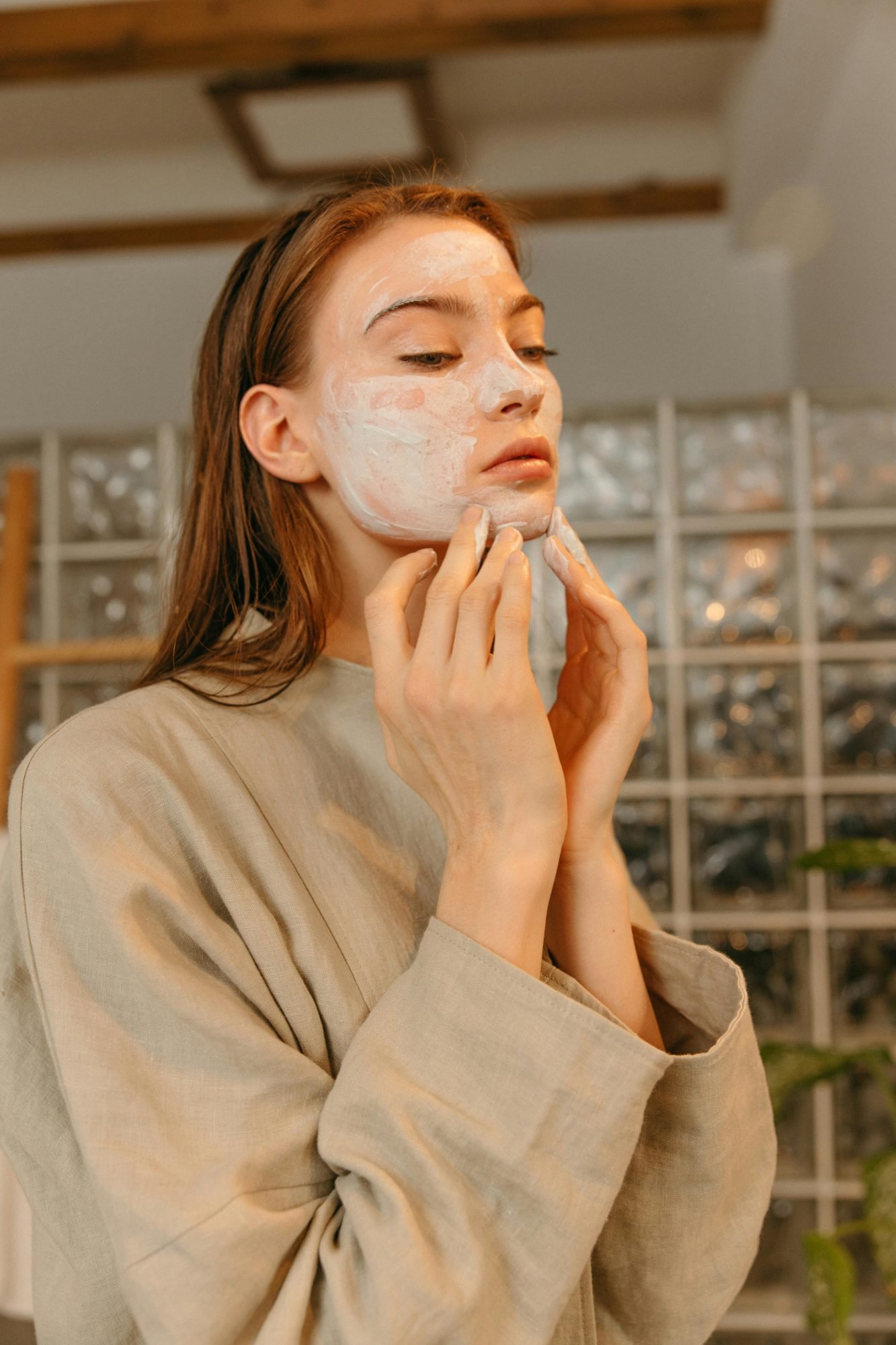
Professional treatments during seasonal transitions
There are moments when home care feels almost sufficient—but not quite. You’re doing everything right, yet your skin still feels unbalanced. This is where professional skincare naturally fits in.
Seasonal shifts can leave skin dehydrated, congested, or dull, even with a consistent routine. Occasional treatments work best as maintenance rather than correction. During colder months, hydration-focused options like gentle customized facials support moisture levels and barrier repair. As temperatures rise and oil production increases, calming treatments or light clarifying options help maintain clarity without overstimulation.
The goal is support and balance, not intensity.
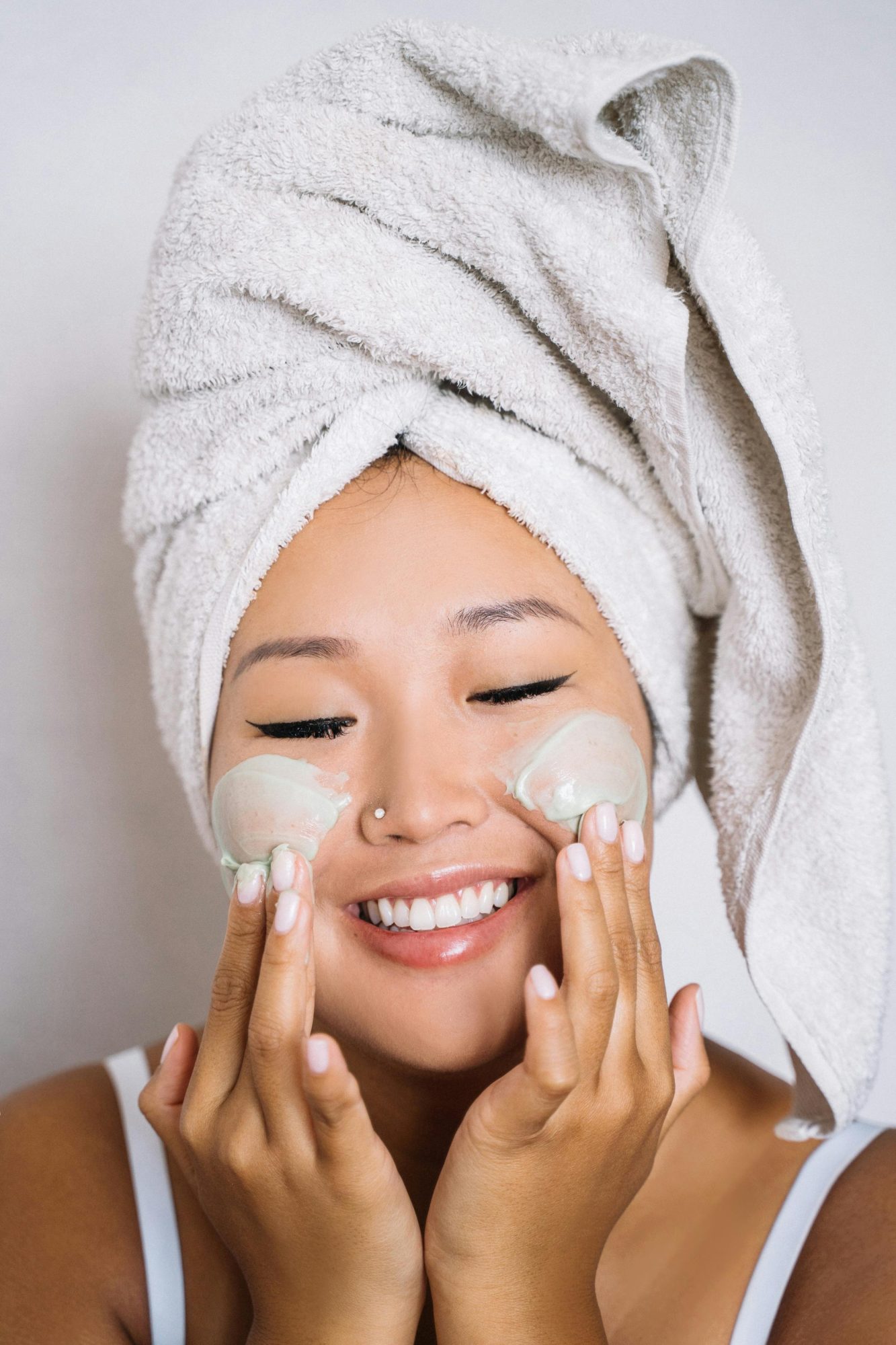
Ingredients worth rotating with the seasons
Skincare ingredients don’t need to stay static year-round. Many perform better under specific conditions.
In colder months, skin responds well to hydration and barrier-supporting ingredients. Humectants that draw moisture into the skin help counteract dry air, while richer textures reduce transepidermal water loss and enhance comfort.
As temperatures rise, lighter formulations tend to feel more wearable. Gel-based hydrators, antioxidants, and oil-regulating ingredients become easier to incorporate. Heavy creams can feel occlusive in humid conditions.
Active ingredients require particular care during transitions. Retinoids, exfoliating acids, and other potent treatments can increase sensitivity when skin is already adapting. Reducing frequency—or pausing temporarily—often prevents irritation. Progress isn’t lost by slowing down; it’s preserved.
Skin reactions matter more than routines written on paper. Persistent redness, stinging, or dryness are signals worth respecting.
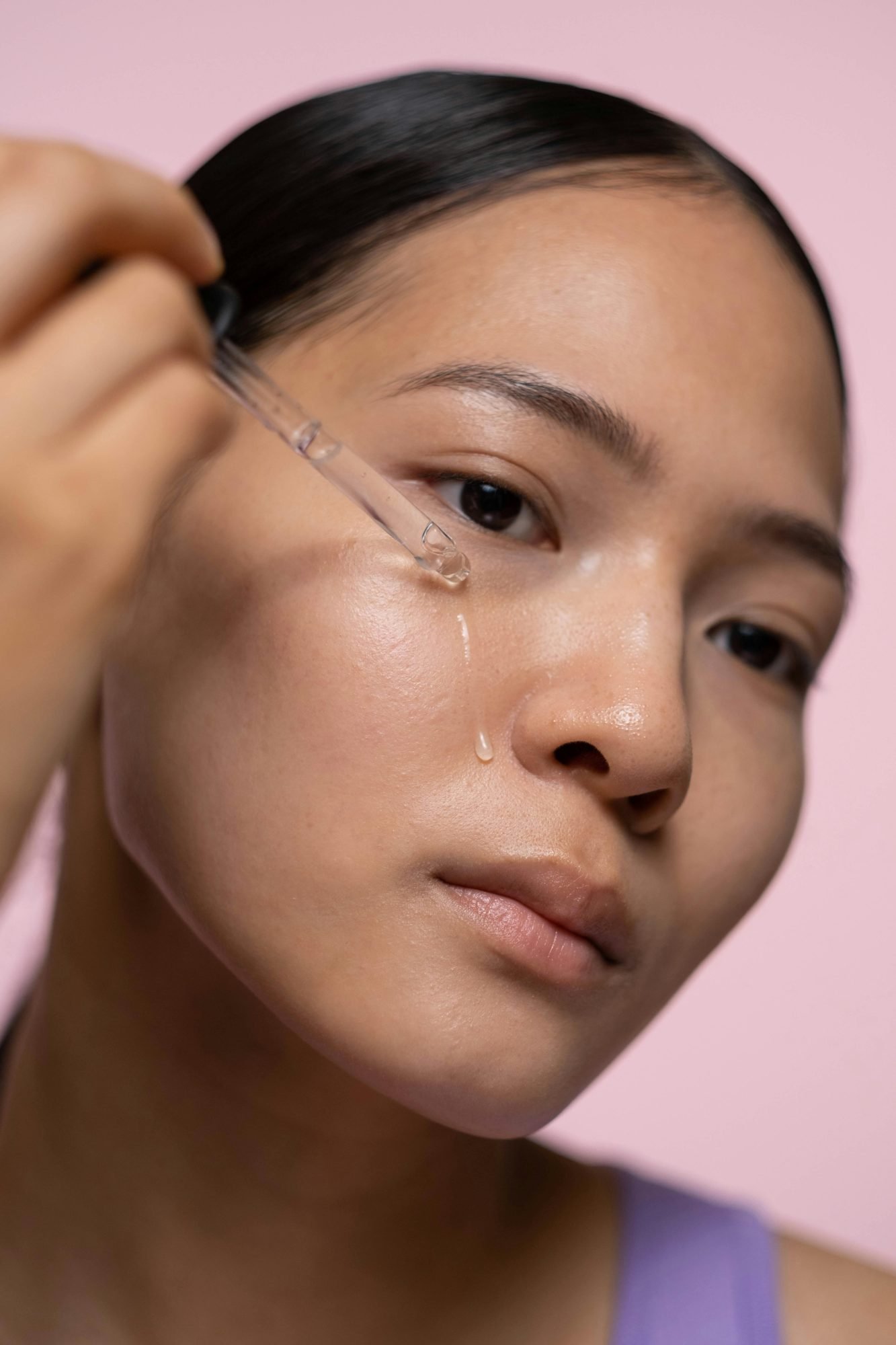
Lifestyle habits that support seasonal skin health
Skincare extends beyond products. Seasonal habits set the foundation.
Hydration often decreases in colder months, when thirst cues are less noticeable, while dry indoor air pulls moisture from the skin. Increasing water intake and prioritizing water-rich foods can support hydration from within.
Sleep patterns also shift. Shorter days and longer nights can disrupt routines, while summer schedules tend to run later. Poor sleep shows quickly on the skin, affecting tone, brightness, and recovery.
Indoor environments play a larger role than many realize. Heating and air conditioning reduce humidity, gradually impacting barrier health. Small adjustments to air quality can noticeably improve skin comfort.

An approach that evolves with the seasons
A seasonal reset doesn’t require dramatic change. It asks for attention and restraint. Notice how your skin feels after cleansing. Observe how products absorb. Pay attention to how temperature, sun exposure, and indoor air affect your skin day to day.
Adjusting your routine with the seasons allows skin to stay supported instead of constantly catching up. Over time, this creates consistency without rigidity.
The result isn’t perfect skin. It’s skin that feels balanced, comfortable, and capable of adapting—season after season.