Winter Colors for Kids 2026: The Soft and Deep Palette That Stands Out
This publication is also available in:  Français
  English (UK)
  Deutsch
  Italiano
  Español
Winter no longer screams. It envelops. In 2026, the colors of childhood move away from the spectacular to reconnect with a soft, reassuring, and enduring gravity.
Each season silently redraws the contours of the children’s wardrobe. Winter 2026 is no exception, but it marks a clear shift: fewer bright contrasts, fewer “signal” colors, and more deep, muted, almost tactile shades. This chromatic shift is not merely an aesthetic whim. It reflects a broader evolution in the perception of childhood, which has become more attuned to slow rhythms, sensations, and the long passage of time.
As children’s silhouettes simplify, color becomes a central issue. It must be beautiful, of course, but also bearable in daily life, easy to pair, and capable of transcending multiple seasons without becoming tiresome. In a winter where light fades early and the need for visual comfort intensifies, the observed palettes prioritize continuity rather than disruption, enveloping rather than stimulating.
Inspired by minerals, earth, and natural fibers, these colors engage in a dialogue with the cold season without being overwhelmed by it. They create a cohesive, calm, almost silent visual landscape, in which the child remains at the center — never disguised, never overloaded. Here’s a breakdown of a palette that imposes itself not through fashion trends, but through evident necessity.
When winter calls for reassuring colors
Winter imposes its own constraints: shorter days, low light, alternating between dry cold and humidity. The children’s wardrobe, more than any other, must adapt to this. Bright colors, long used to “wake up” the silhouette, show their limits in this context. Too contrasting, they tire the eye, quickly saturate the visual space, and struggle to endure over time.
In contrast, reassuring colors function as a calm backdrop. They absorb light rather than reflect it directly, creating an immediate sense of balance. This chromatic approach accompanies daily gestures: dressing in the morning without fuss, layering without discord, transitioning smoothly from indoors to outdoors. The shades chosen for winter 2026 thus contribute to a form of overall comfort, both visual and sensory.
Warm browns and ecrus: the return of organic elegance
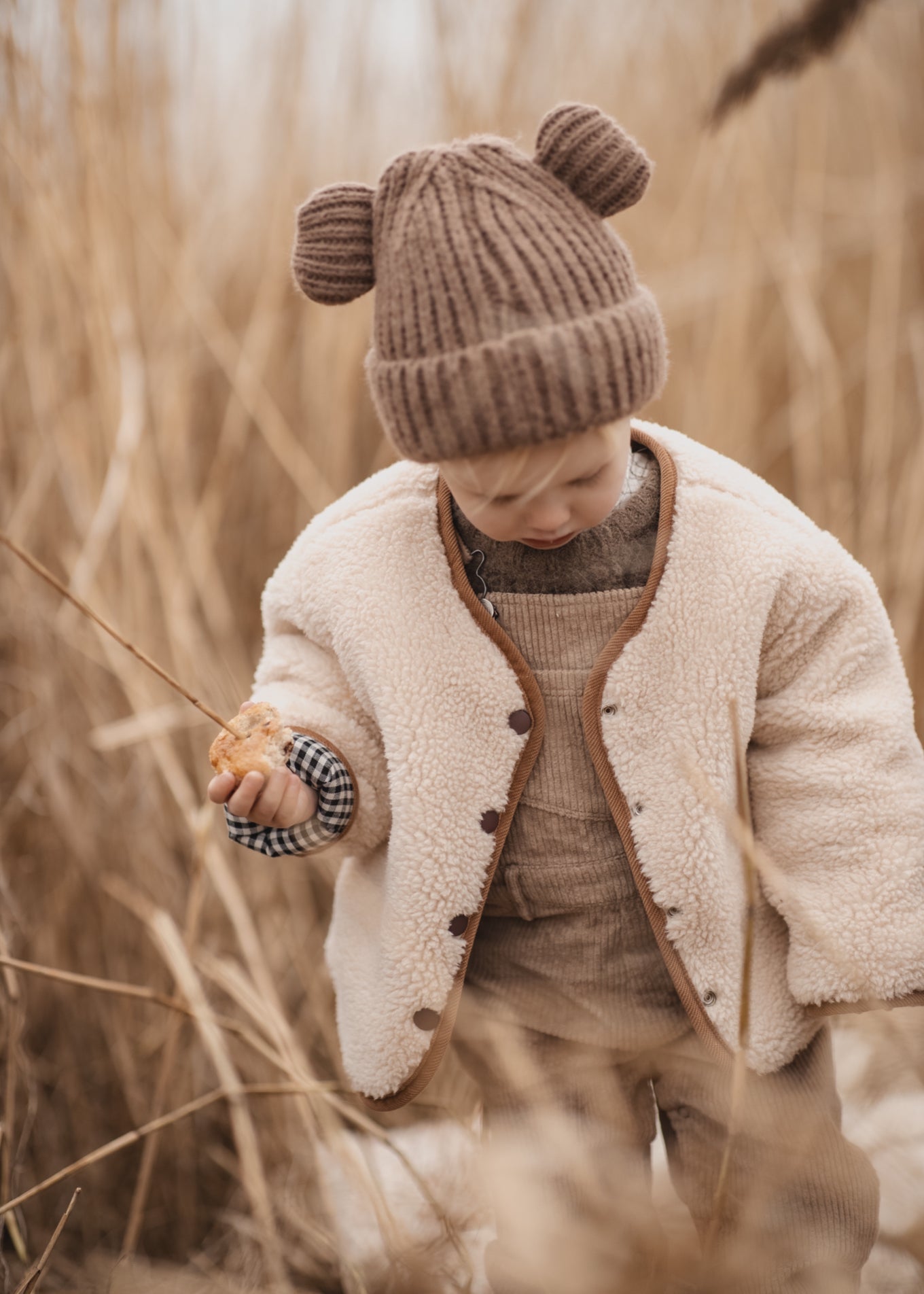
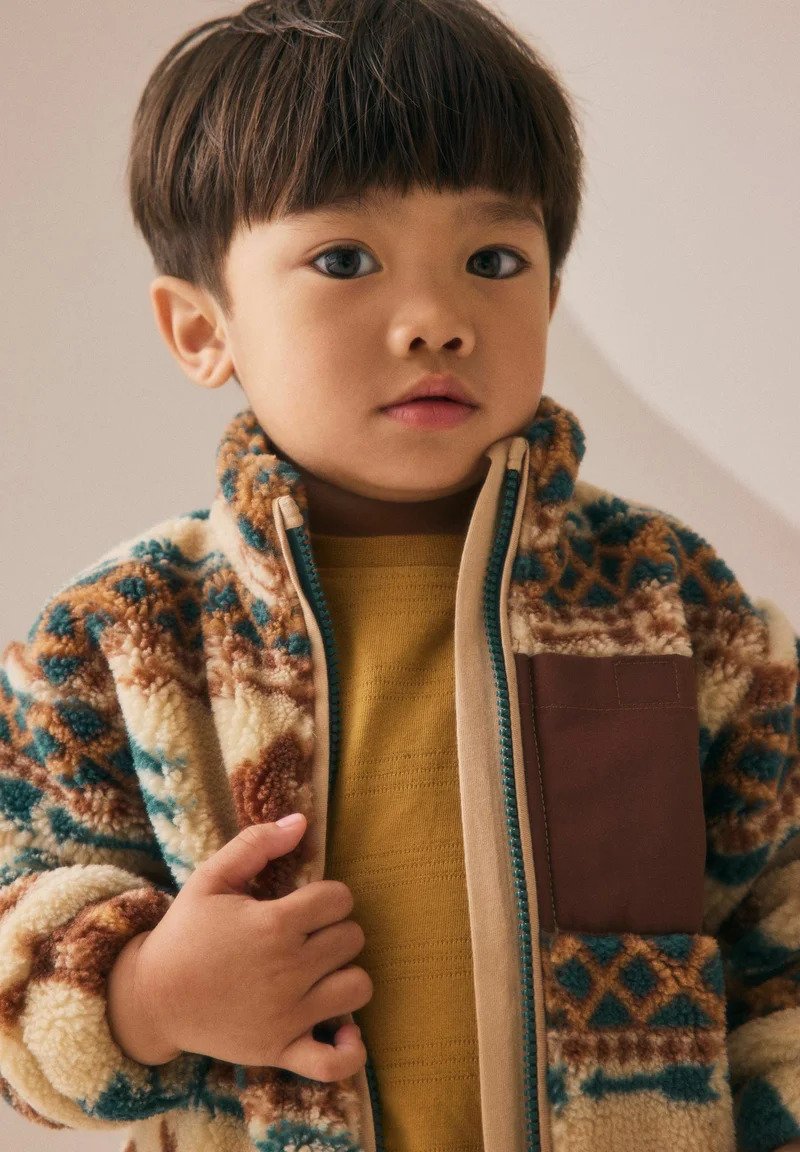
Among the dominant shades, warm browns assert themselves naturally. Soft chocolate, hazelnut, cinnamon, patinated terracotta: these tones evoke the earth, wood, thick wool, and winter landscapes stripped of their greenery. They immediately warm a child’s silhouette without ever hardening it, provided they are paired with simple cuts and breathable materials.
The ecrus play an essential complementary role. Far from bright white, they come in ivory, cream, raw linen, sometimes slightly grayed. Their visual softness captures winter light and softens the entire wardrobe. Used in a total look or as accents — a knit, a lining, a scarf — they allow for subtle, always coherent combinations. Together, browns and ecrus create an organic, warm elegance that grounds the garment in its material and reality.
Stone greys and muted greens: the new neutrality
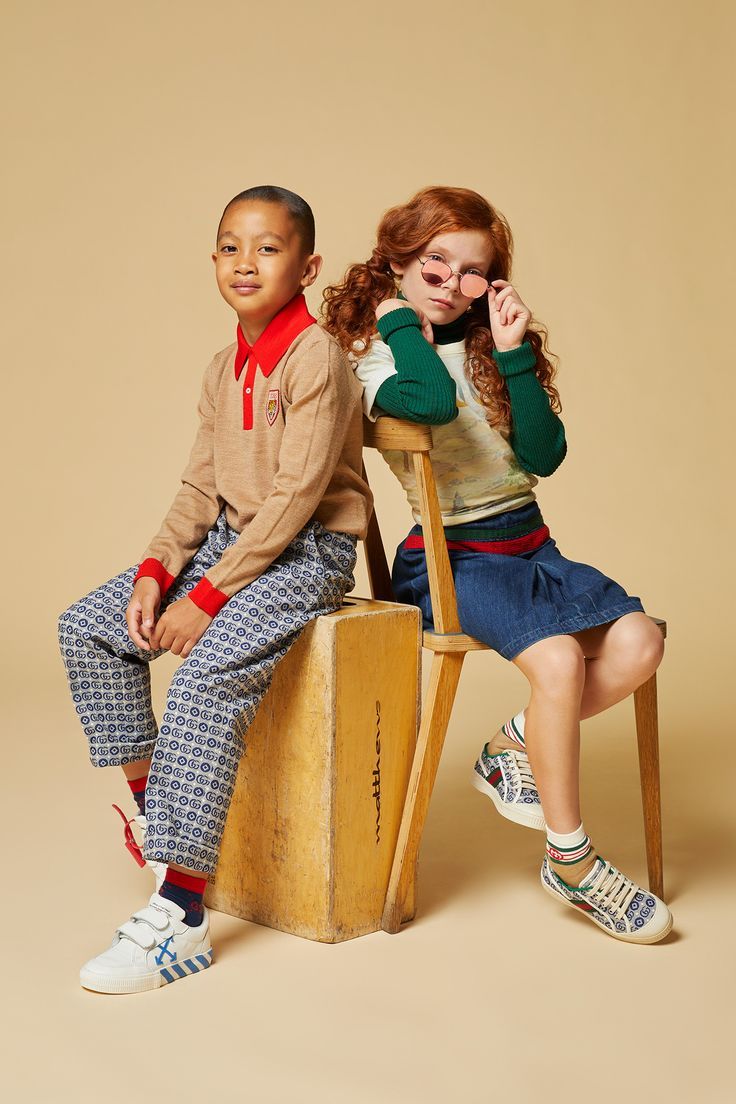
Winter 2026 marks a clear shift in so-called “neutral” colors. Black and cool blues, long dominant, give way to more nuanced tones. Warm, slightly mineral stone grey structures silhouettes without freezing them. It serves as a reliable base, capable of unifying an entire wardrobe, from coats to pants, including thick knits.
Alongside it, muted greens — sage, moss, gray-olive — provide a subtle breath of fresh air. Inspired by winter vegetation, they evoke persistent foliage, silent landscapes, and underbrush. Neither too dark nor too prominent, these greens offer an elegant alternative to colors traditionally associated with childhood. They introduce depth without breaking the overall harmony and facilitate natural combinations with browns, ecrus, and greys.

Colors designed to last, not to shine
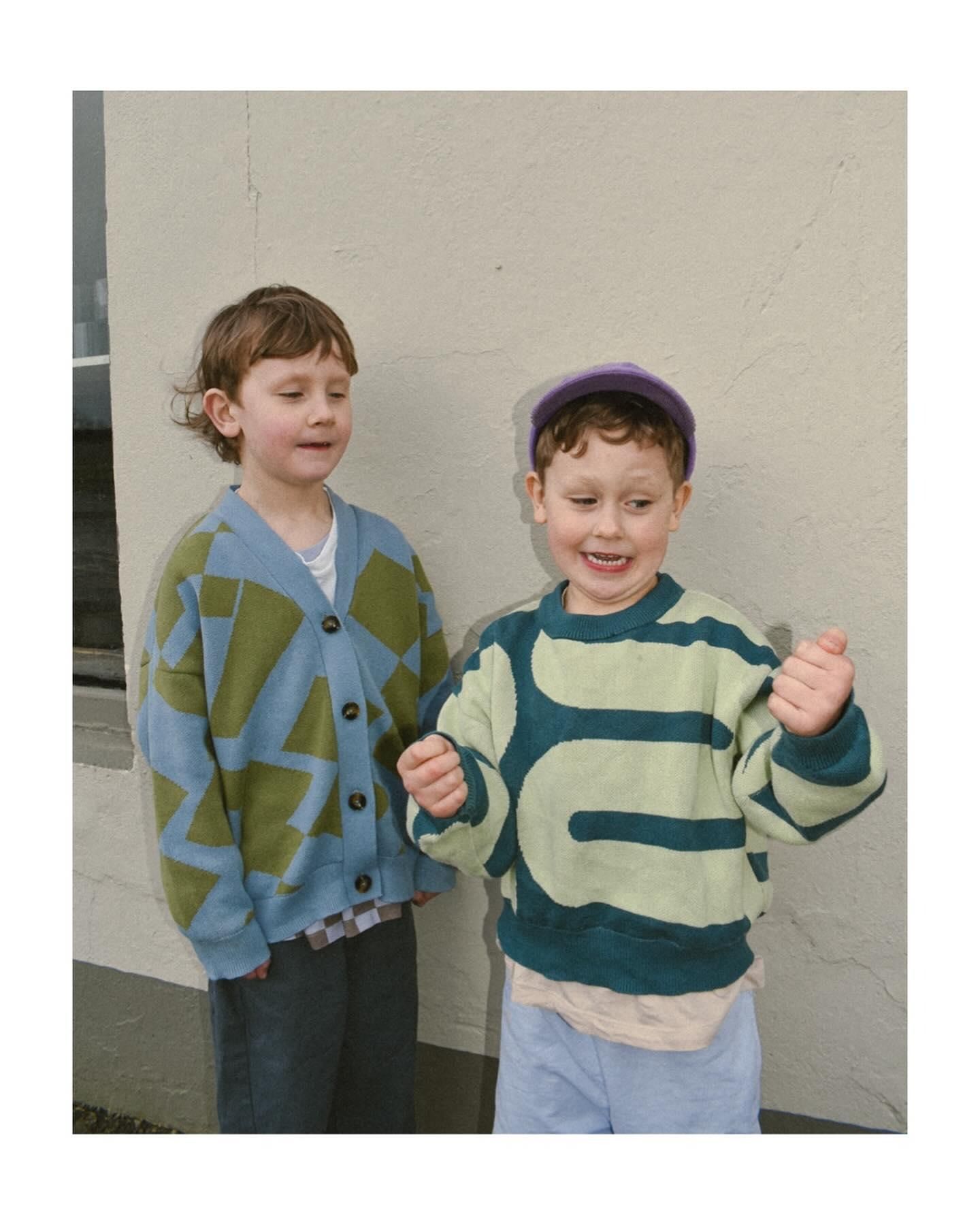
What truly distinguishes the winter 2026 children’s palette is its ability to withstand the test of time. These colors do not seek immediate effect or instant recognition. They are designed to be worn, reworn, and sometimes passed down. Their strength lies in their discretion: they accompany evolving morphologies, clarifying styles, and multiple uses from one winter to the next.
In a logic of a reasoned wardrobe, these shades facilitate the construction of coherent ensembles with a limited number of pieces. They effortlessly interact with each other, reducing the need for constant renewal. Color thus becomes a foundation, an anchor around which the entire winter wardrobe is organized. An approach that prioritizes visual and emotional quality over rapid novelty, and which restores to children’s clothing a more just, more sustainable place.
Winter 2026 shapes a calmer, more grounded childhood, less subject to the urgency of novelty. Through these muted and deep colors, the children’s wardrobe becomes a familiar, stable, almost reassuring landscape. Warm browns, bright ecrus, stone greys, and muted greens create a palette that accompanies the season with precision, never forcing it. A discreet yet assertive way to dress children in harmony with winter — and with the long passage of time.