Trends 2026: Towards Real Eco-Responsibility, Goodbye Greenwashing!
This publication is also available in:
 Français
  English (UK)
  Deutsch
  Italiano
  Español
2026 will be sustainable or it won’t be at all! And it’s the famous trend forecasting agency Nelly Rodi that says: “Consumers now want products and practices that fully incorporate eco-responsibility, going beyond mere greenwashing. This involves short supply chains, recycled or biodegradable materials, and initiatives aimed at reducing waste.“
In 2026, we no longer want pretenses: sustainability has become a must, not an option. So get your green marks ready, set, go!
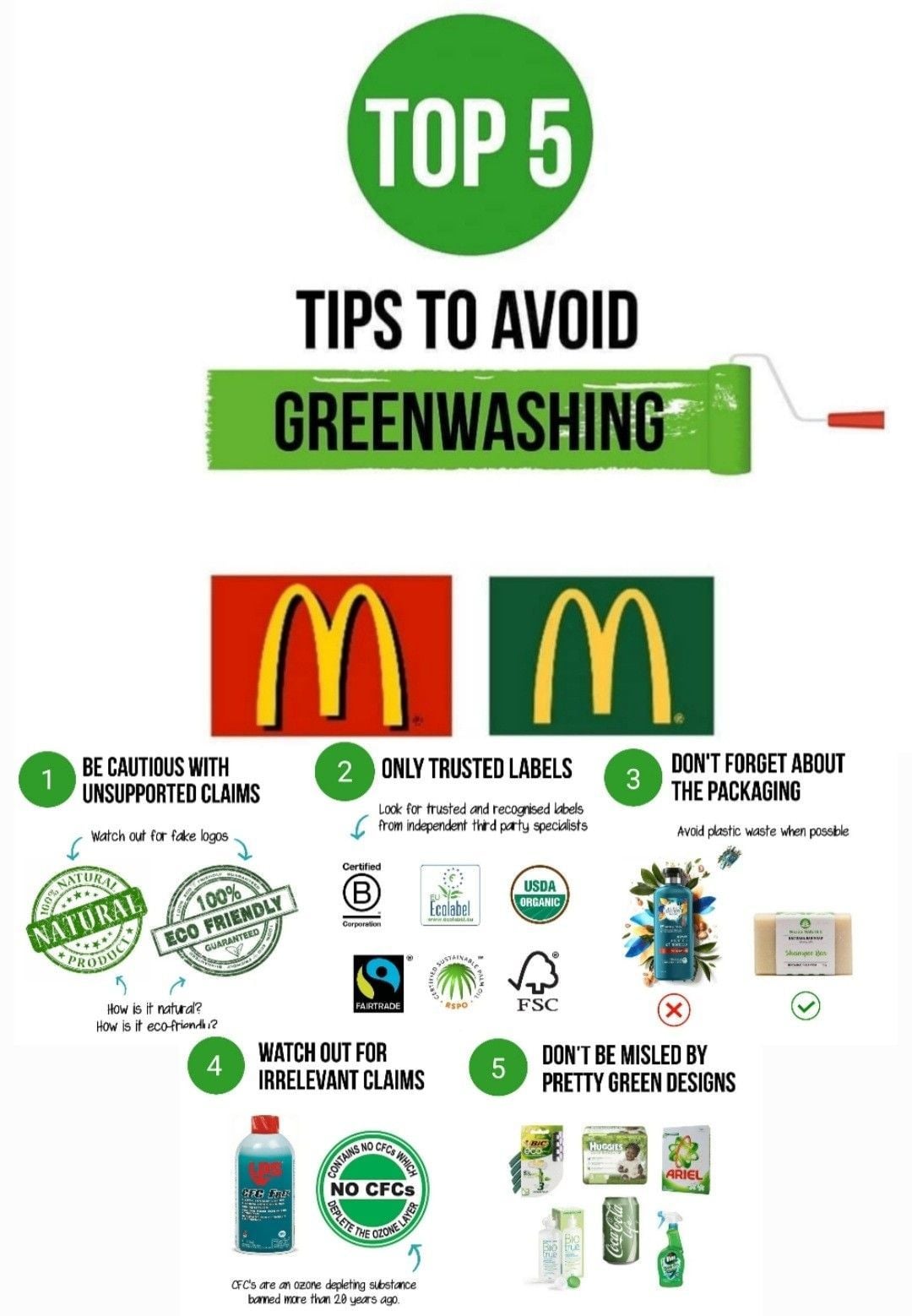
What is greenwashing?
We hear about it everywhere, but what exactly is this famous greenwashing? In two words: bluff. It’s when a brand paints itself green to seduce, without changing anything fundamentally. A typical example: the “eco-responsible” collection of a fast fashion brand, while it releases thousands of new models every week.
It’s a bit like putting an Instagram “nature” filter on a photo taken on the side of a highway. It sounds nice, it flatters the conscience, but in real life… it still pollutes just as much. And spoiler: in 2026, that won’t pass anymore.
Greenwashing: it wouldn’t cost more to act
We often hear: “yes, but acting for the planet costs too much.” False! In the long run, companies that focus on sustainability benefit. Less waste, less overproduction, more customer loyalty… everyone wins.
Greenwashing, on the other hand, can be very costly: instant bad buzz on social media, hefty fines for false advertising, and above all… loss of trust. And when it comes to image, we all know: lost trust = trust that is very difficult to regain.
In short, in 2026, not being genuinely eco-responsible is like showing up in socks and sandals at a gala: a faux pas that doesn’t forgive.
What do consumers of tomorrow want?
Tomorrow’s customers no longer want promises; they want proof. And their expectations are clear:
- Local, traceable, transparent. No more ambiguity about sourcing. We want to know where the product comes from, who made it, and under what conditions.
- Materials that respect the planet. Recycled, recyclable, biodegradable… single-use plastics have lost the battle.
- Less waste. Bulk, deposit, repair, upcycling: consumers love brands that give a second life to objects.
In short: no more buying with closed eyes. Now, it’s the product AND its story that count.

How to implement an eco-responsible lifestyle?
Good news: there are plenty of ways to adopt an eco-responsible lifestyle without overthinking it:
- In the plate: enjoy local and seasonal products, try some veggie (and super delicious) recipes, rediscover markets.
- In the wardrobe: say goodbye to compulsive fast fashion, and hello to stylish secondhand, rentals for special occasions, and well-tailored pieces that we keep for a long time.
- At home: prioritize linen, hemp, certified wood, hunt for treasures, revamp, DIY. All while creating a unique decor, more personal than at Ikea.
- When traveling: dare to take the train, enjoy longer city breaks, and local getaways that change from the eternal low-cost flight.
- In everyday life: learn to repair (or find cool workshops that do), exchange, share… and save money.
Brands that play the game and those to avoid
In 2026, it becomes easier and easier to spot sincere brands. Good practices stand out: transparency in the production chain, social commitments, recycled materials, zero-waste initiatives. Consumers love to share these discoveries on social media, and word of mouth works like a charm.
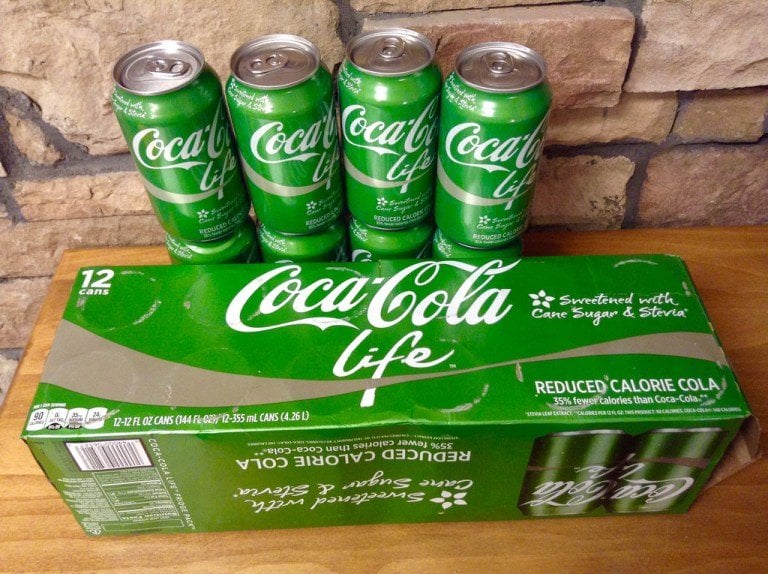
Conversely, brands that settle for green slogans or “capsule” collections for marketing effect are accused of greenwashing, and their reputation melts away
like snow in the sun. A viral post, a review on Instagram or TikTok can be enough to bring down a giant of eco-whitewashing.
Why being eco-responsible is fun
Contrary to what some people think, adopting a sustainable lifestyle is not sad or constraining. It’s an opportunity to rediscover the joy of creating, thrifting, cooking differently, and traveling differently. Every little gesture becomes a victory: transforming an old dress into a trendy skirt, whipping up a seasonal veggie recipe, creating a green corner on your balcony… These micro-actions give the feeling of acting for something greater while having fun.