The ideal dress? A matter of cut and silhouette
This publication is also available in:
 Français
  English (UK)
  Deutsch
  Italiano
  Español
Two dresses displaying the same size can create radically different silhouettes. A waist positioned a few centimeters higher, a more structured shoulder, a fabric that holds its shape rather than drapes: these nuances are enough to transform the look. Therefore, choosing the right dress is not about following a trend or applying a body type rule. It’s all about the balance between the cut, the body proportions, the material, and, of course, the occasion.
It all starts with the line: what the cut really changes
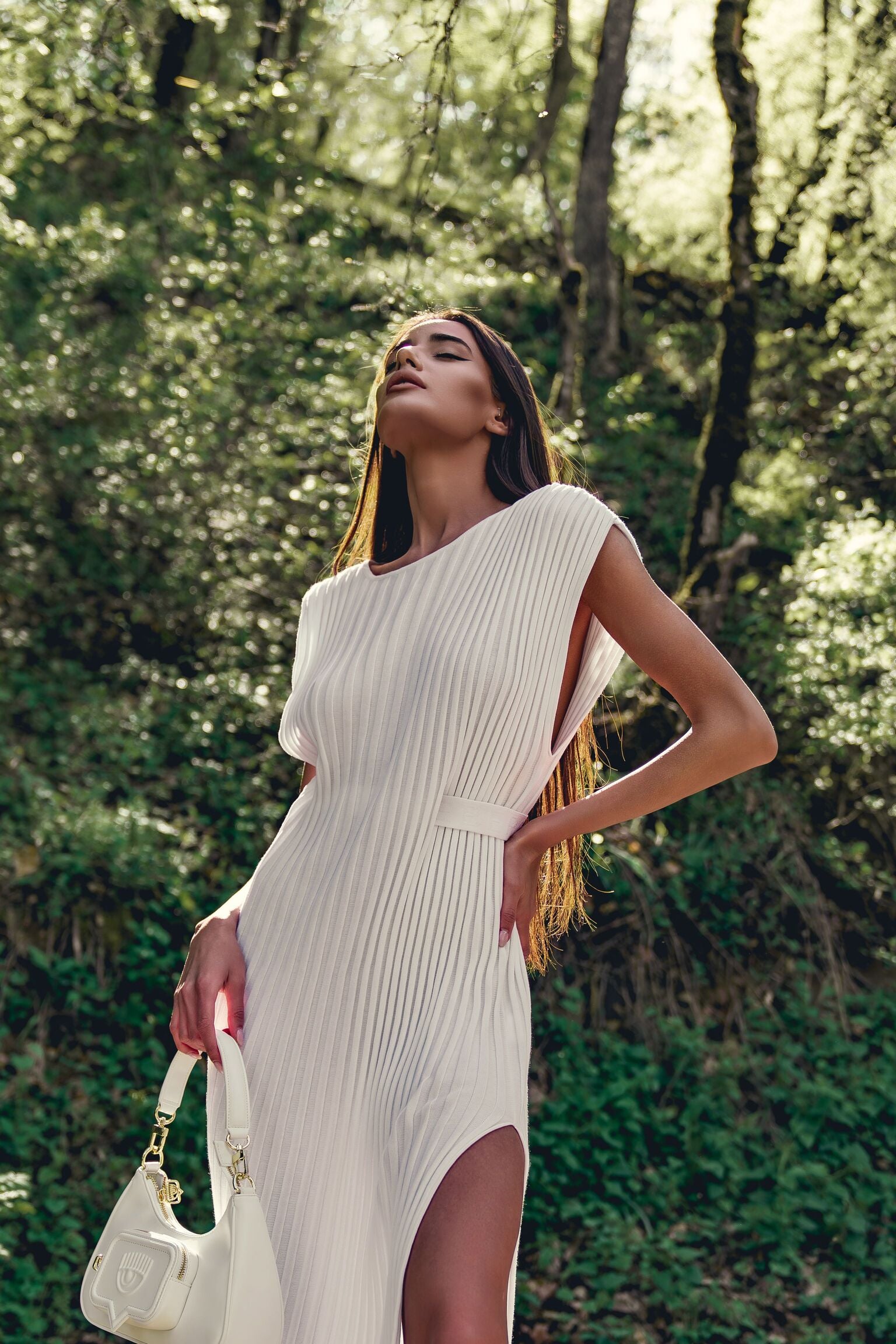
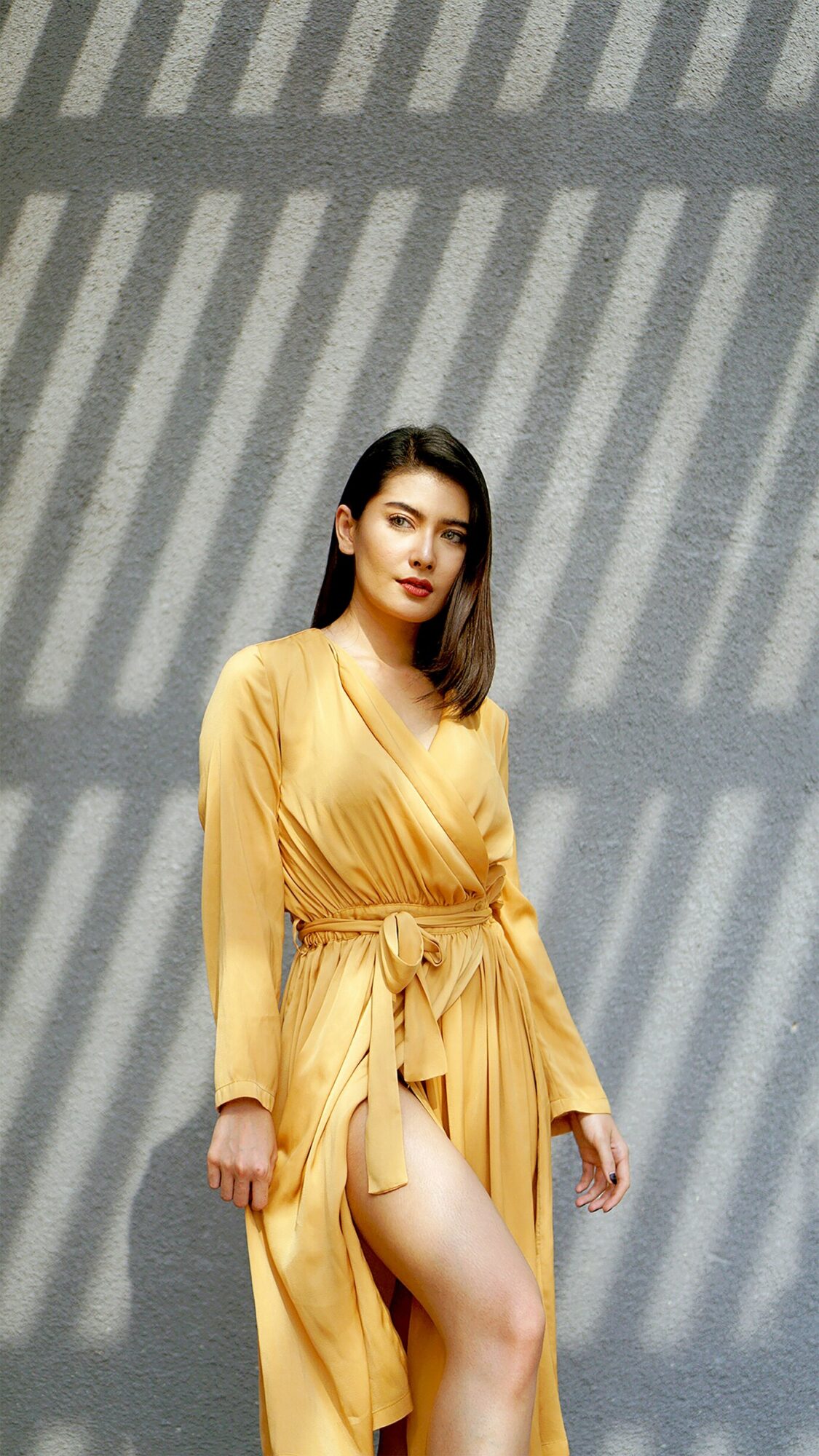
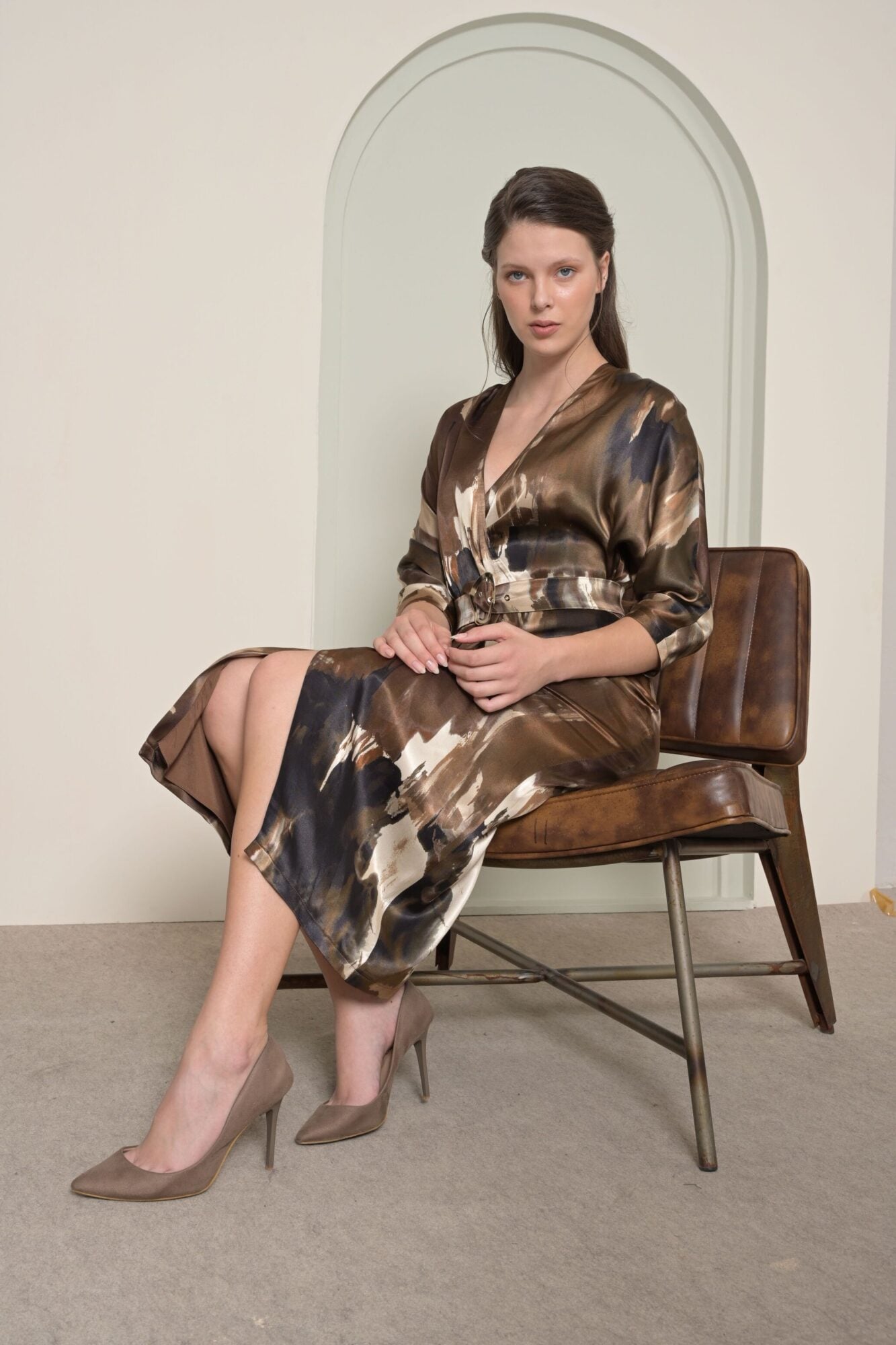
Straight, wrap, trapeze, empire, or shirt: each construction imprints a particular line. The wrap dress highlights the waist with its play of diagonals, while the trapeze cut accommodates the hips with more ease. A straight dress favors verticality; an empire waist shifts the balance point below the bust.
The range of La Redoute dresses illustrates this diversity of volumes, lengths, and constructions that characterize women’s dresses today. But a dress cut is never just about its shape: the fabric profoundly alters its appearance. A fluid crepe follows the movement, while a poplin or a denser material creates sharper contours.
Look at your proportions rather than your letter
A, V, H, X, or O: these categories provide guidelines, but cannot solely define a silhouette. With similar body types, stature, bust length, or how the waist is shaped can completely change the result of a dress.
Three elements deserve more attention: the balance between shoulders and hips, the position of the waist, and the ratio between the bust and legs. A belted dress can accentuate a naturally defined waist; a straight cut creates a more vertical continuity; a precisely placed volume allows for playing with the overall balance. The goal is not to correct the silhouette, but to choose the lines you want to highlight.
Choose a look rather than a rule
Once you’ve observed the proportions, the next step is to determine the desired effect. A clean line and a well-fitted midi length can visually elongate the silhouette. To highlight the waist, heart-shaped, fitted, or cut-out designs offer a more pronounced definition. Conversely, a fluid dress can prioritize movement and a deliberately relaxed look.
The history of fashion shows how much these choices can differ. In 1947, Christian Dior’s New Look imposed a very defined waist paired with generous skirts. A few decades later, Azzedine Alaïa explored another idea of femininity with dresses sculpting the body closely. Two distinct visions, united by the same mastery of cut and proportions.
A good dress must also know where it’s going
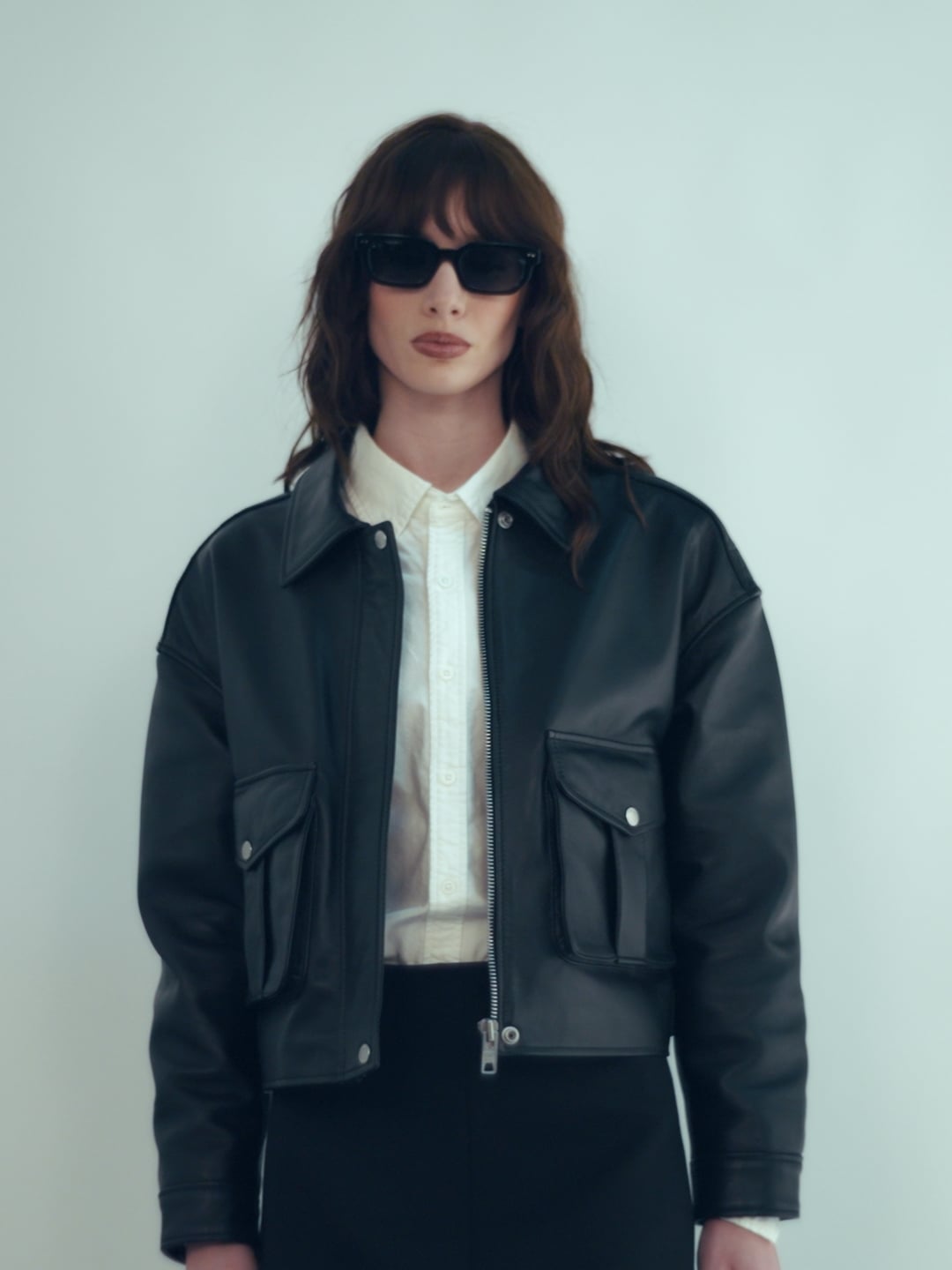
The occasion matters just as much as the silhouette. At the office, a structured shirt dress or midi dress easily composes an outfit with a blazer or loafers. For a ceremony, the drape of crepe, satin, or chiffon brings more movement. In the evening, a black dress with simple lines can find its character in a precise neckline, a pair of high heels, or a sculptural piece of jewelry.
A well-chosen piece doesn’t necessarily have just one function. Changing shoes, adding a jacket, or swapping jewelry is sometimes enough to transition the same dress from day to night.
The season is reflected in the material
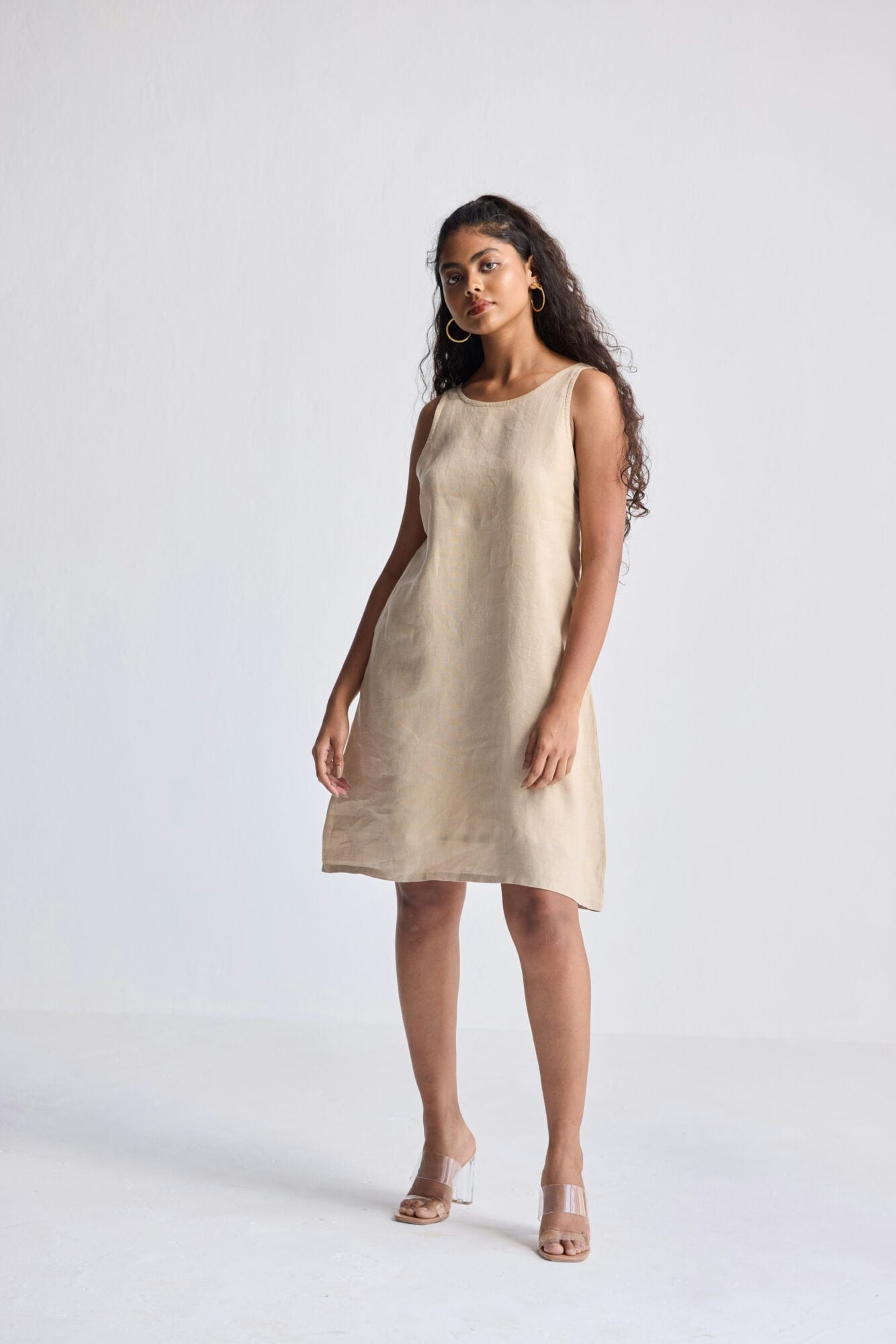
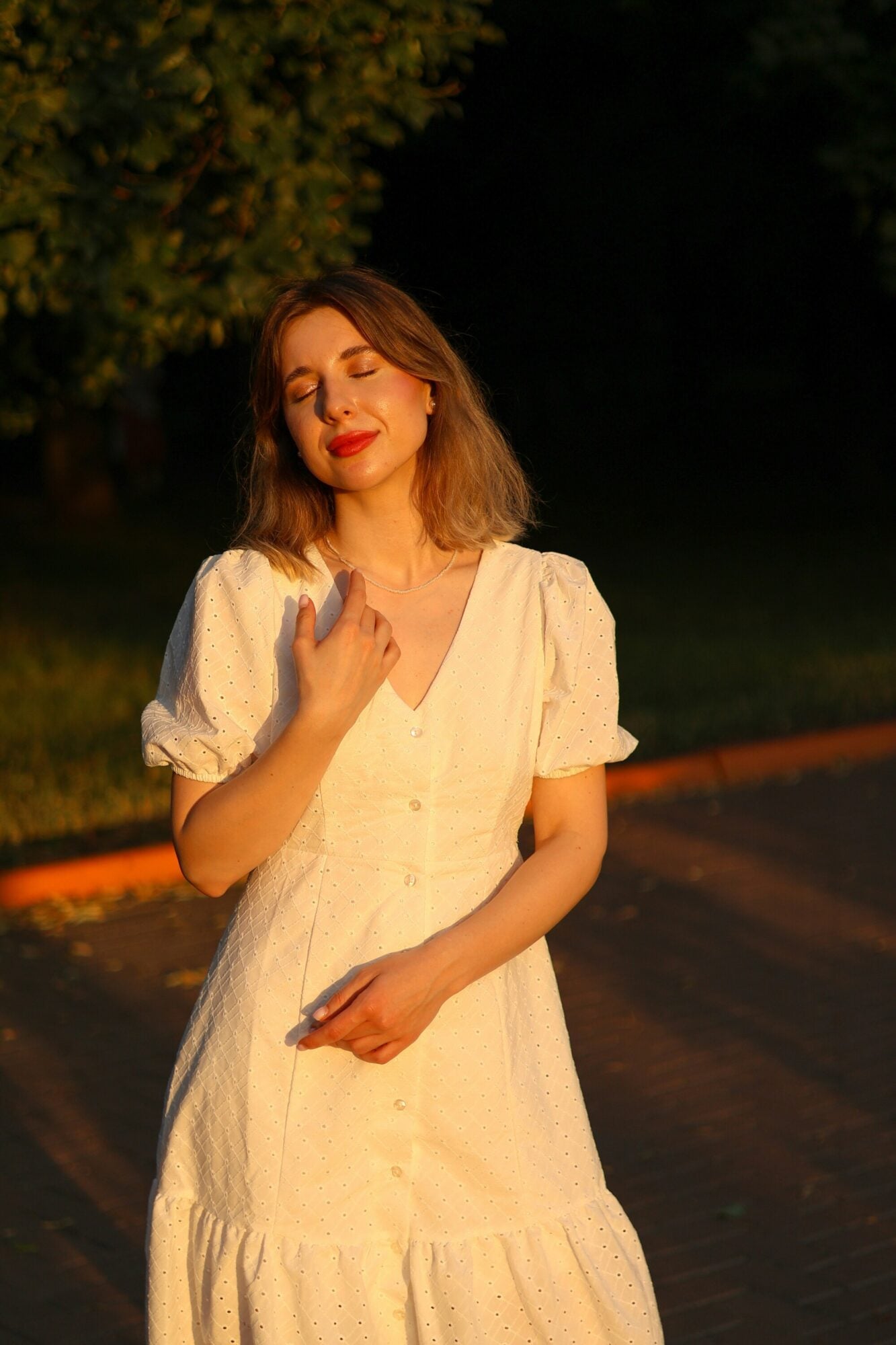
The seasonal dress is not solely about a color palette. In warm weather, linen, cotton, and poplin combine lightness and structure. When temperatures drop, knits, velvet, and fine wool offer more substance and lend themselves to layering. The weight of the fabric influences both the drape and the sensation when worn.
Building your wardrobe is thus less about accumulating trends and more about identifying a few complementary silhouettes. A well-cut everyday dress, a more dressed-up model, and a piece whose material matches the season already form a relevant base. Because the ideal dress ultimately doesn’t adhere to any formula: it finds its correctness when cut, proportions, and use seem to come together naturally.