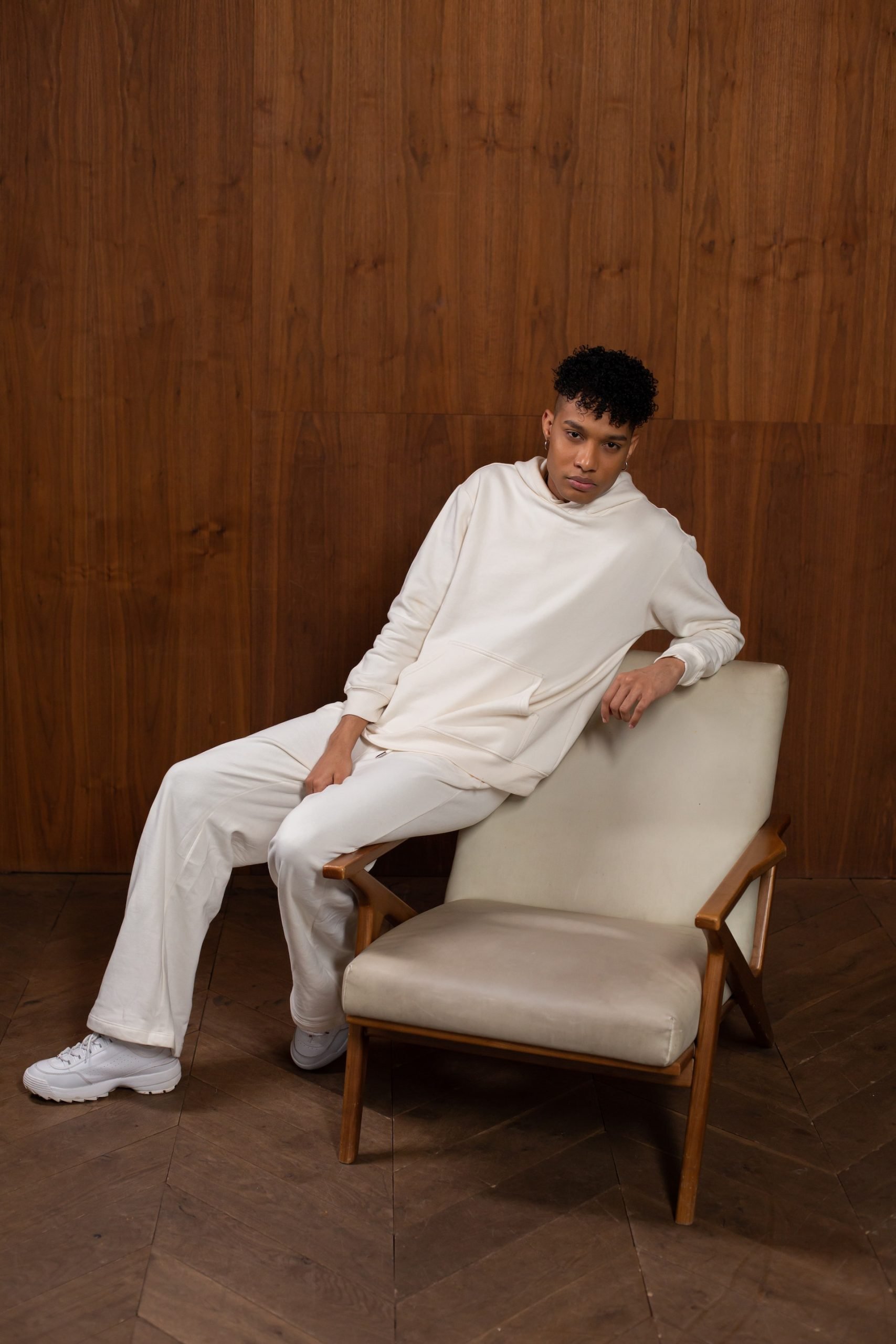
Eco-responsible menswear, size-inclusive, where do we stand?
This publication is also available in:  Français
  English (UK)
  Deutsch
  Italiano
  Español
As eco-responsibility and inclusivity issues dominate current conversations about brands, we notice that the progress made primarily concerns women’s ready-to-wear. Eco-responsible and size-inclusive menswear seems to have taken a back seat, and the subject is starting to spark debates. An analysis of the current situation.
Why is eco-responsible menswear less developed than womenswear?
Recently, the passage of the AGEC law, which mandates transparency on the environmental impact of clothing items through a QR code on clothing labels, marked a new step in the transition currently taking place in the textile industry. Collections, materials, production, recycling… It is the entire lifecycle of a piece that is being rethought, and which must be revised for brands to endure and fit into the new guidelines of the industry.
Why is the transition primarily happening in women’s ready-to-wear?
While the transition has been underway for several years, consumers and creators highlight a difficulty in finding eco-responsible menswear as easily as eco-designed women’s pieces.
A testimony from Rachel Kibbe, founder of the advisory firm Circular Services Group, provides an explanation for the situation. In response to recent awakenings, brands have adjusted their models to align with the new values of their clientele. More specifically, those of women, who represent a higher revenue figure than men. By adopting a more eco-responsible image, brands encourage women to continue purchasing while being in line with their new conception of fashion.
Is eco-responsible menswear feasible?
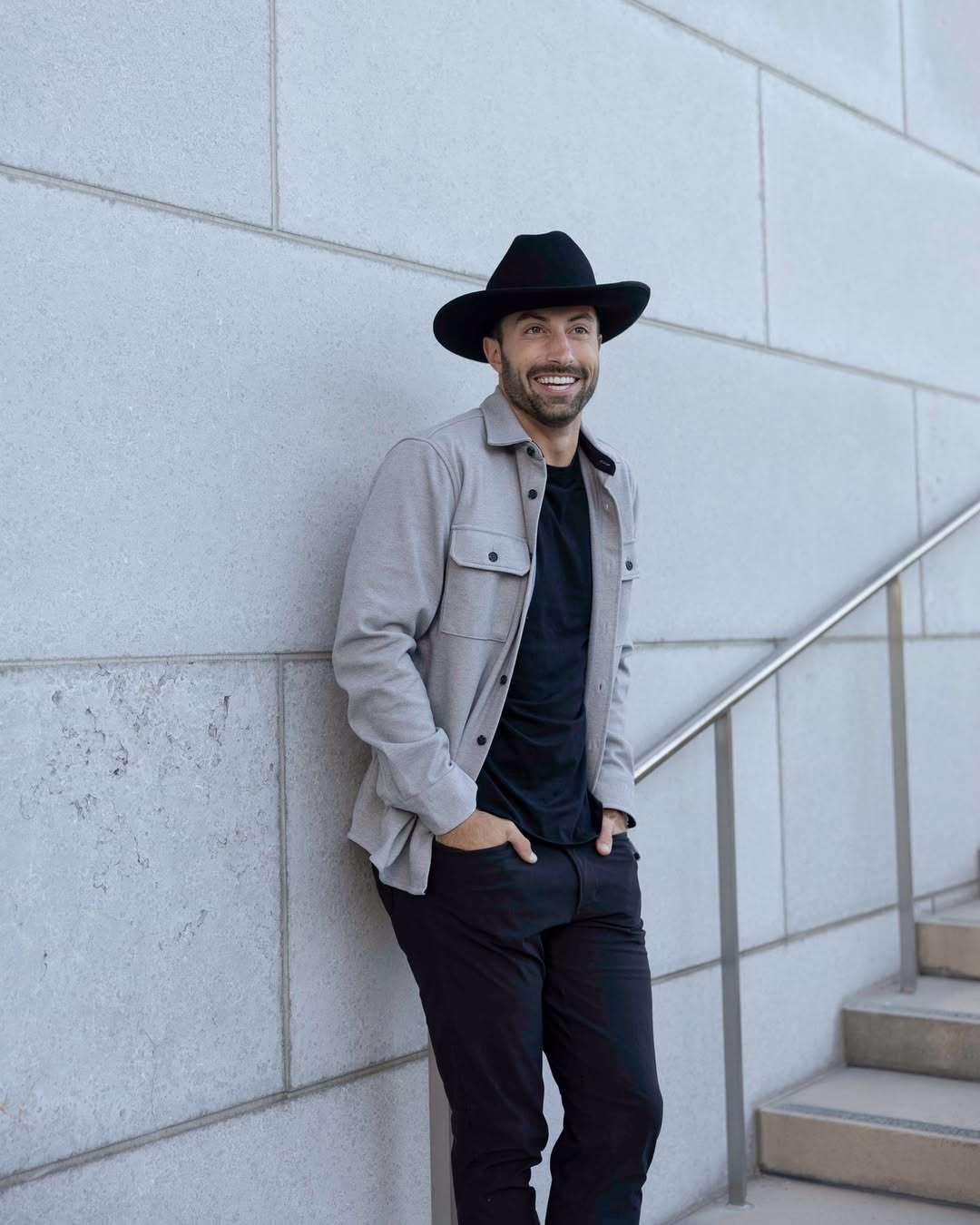
While brands seem to be turning their gaze away from eco-responsible menswear, it is, nevertheless, entirely feasible, and men’s relationship with fashion is already reflecting aligned consumption habits.
Notably, men tend to gravitate towards a rather succinct wardrobe, featuring timeless and high-quality pieces that they can keep for years and avoid new purchases. Moreover, research shows men’s desire to invest in brands that help reduce their impact on the planet.
Thus, to fully align with a model that reflects their values, the only missing piece of the puzzle is the transition of brands towards an appropriate model.

How to build an eco-responsible menswear wardrobe?
Although eco-responsible menswear brands are not yet widely developed, certain actions can help initiate a transition towards more thoughtful fashion.
First step: declutter!
Choosing to move towards eco-responsible menswear implies adopting a new vision of fashion.
Start by taking an inventory of your closets to determine what you have, what you wear, and what you no longer need. The Marie Kondo technique can give you a helpful push!
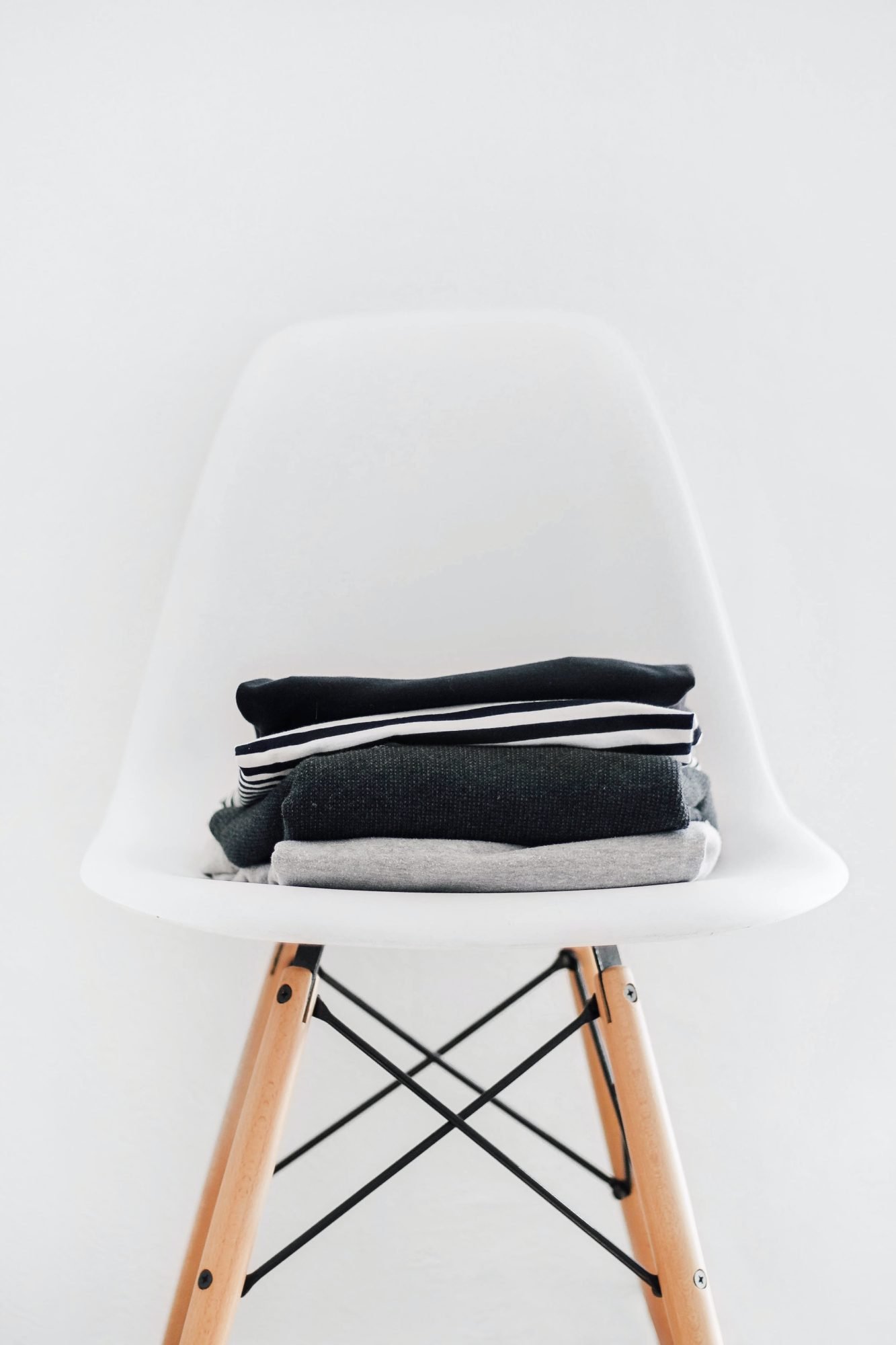

Consider giving a second life to pieces leaving your wardrobe, through second-hand apps or donations to charities.
Additionally, some haute couture houses offer a take-back service for their pieces, such as Gucci Vault, which restores vintage items before reselling them.
Eco-responsible menswear: between minimalism and capsule collections
This decluttering aims to purify your wardrobe to return to the essentials, or even to adopt minimalism. A trend that appeals, going straight to the point and now extending to skincare, with skinimalism.
To achieve this, we recommend building your wardrobe around seasonal capsule collections. This means selecting a few pieces that can mix and match to create different looks.
To align yourself with an eco-responsible menswear model, we advise choosing:
- Timeless pieces
- Quality materials that allow clothing to last over time
Furthermore, to extend the lifespan of your pieces, take care of their maintenance and reduce washes.
What solutions to turn to?
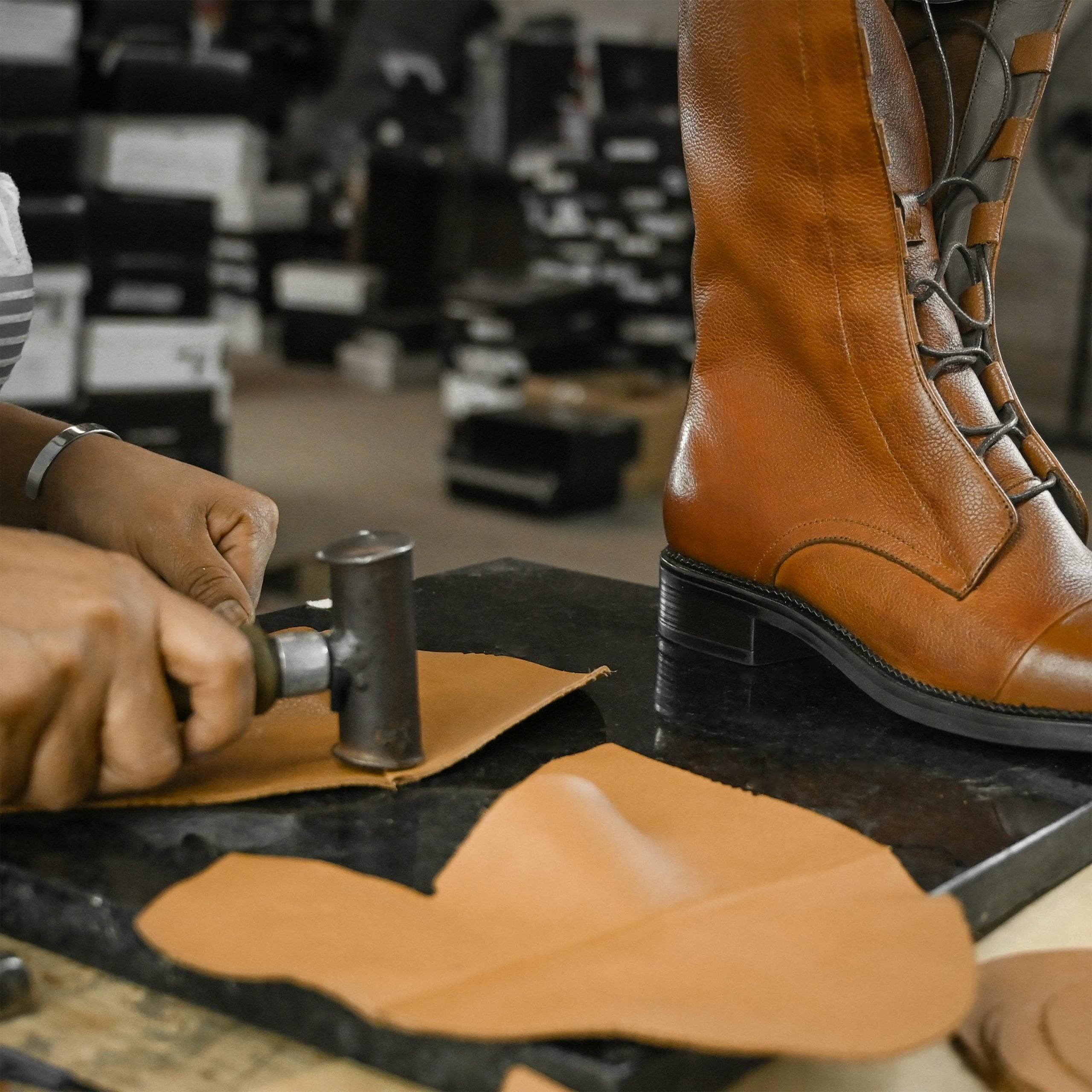
Thinking about fashion in a thoughtful way also involves incorporating new modes of consumption, particularly second-hand and upcycling.
If your capsule collection is missing pieces, adopt new habits to embrace eco-responsible menswear. If you have a creative spirit, upcycling might interest you. Whether it’s from your old pieces or others found in thrift stores, it’s up to you to make your identity shine through your looks.
This trendy practice particularly addresses the new challenges facing fashion. While creators like Marine Serre make it the red thread of their creations, the second season of Next In Fashion dedicated an entire episode to it.

If upcycling is not your preferred area, you can turn to second-hand with vintage pieces. On one hand, you contribute to a circular economy, and on the other hand, you can save money on your purchases.
What are the eco-responsible menswear brands?
Although eco-responsible menswear brands are becoming more discreet, certain creators are taking steps to instigate a more significant transition.
However, recognizing an eco-responsible menswear brand is not necessarily easy for everyone, particularly due to a lack of information and greenwashing.
To guide your purchases, you can refer to:
- Clear Fashion, which deciphers brands based on criteria of eco-responsibility and ethics.
- The Marqu’IZ generator, which lists responsible brands that meet your criteria.
- Reads like My Happy Wardrobe by Céline Séris, which helps better navigate and understand the intricacies of fashion.
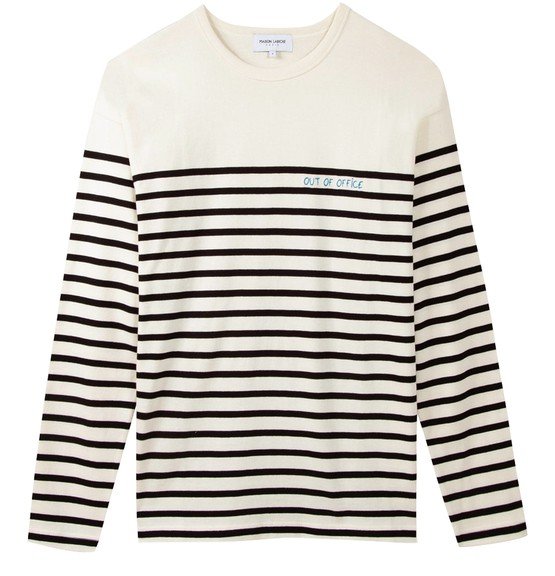
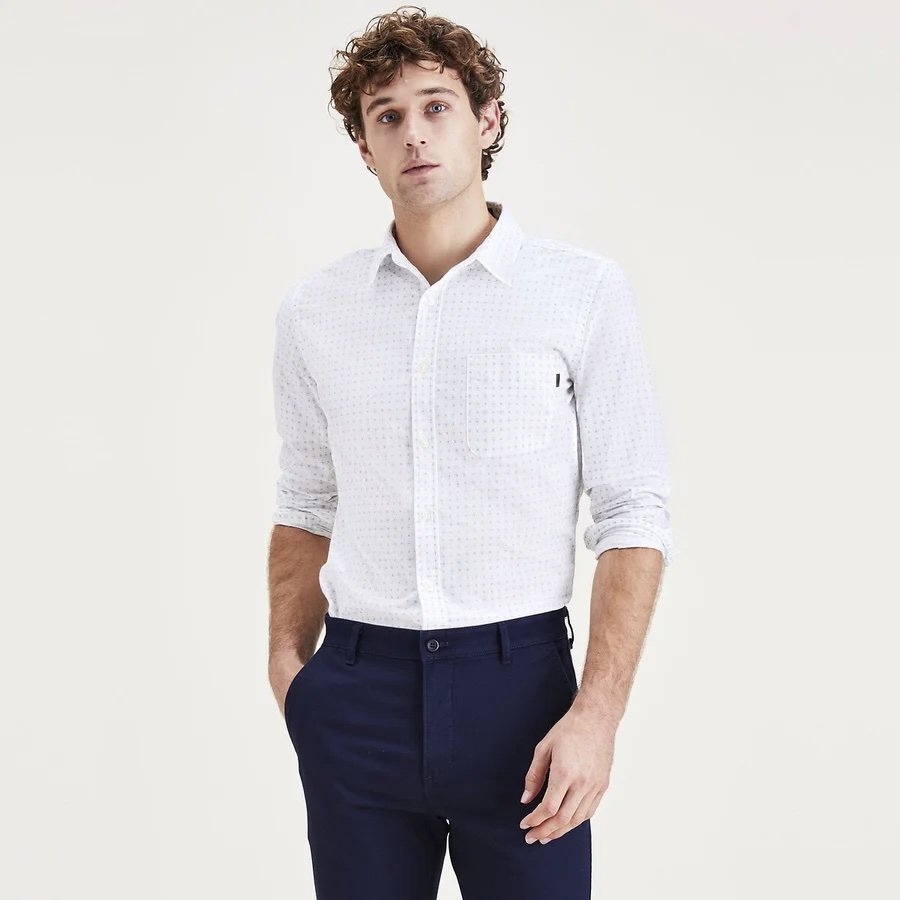
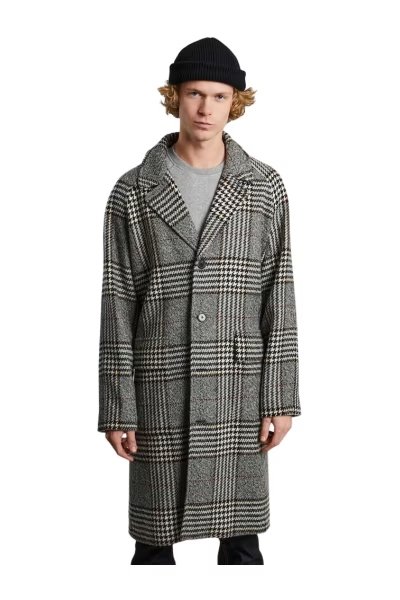
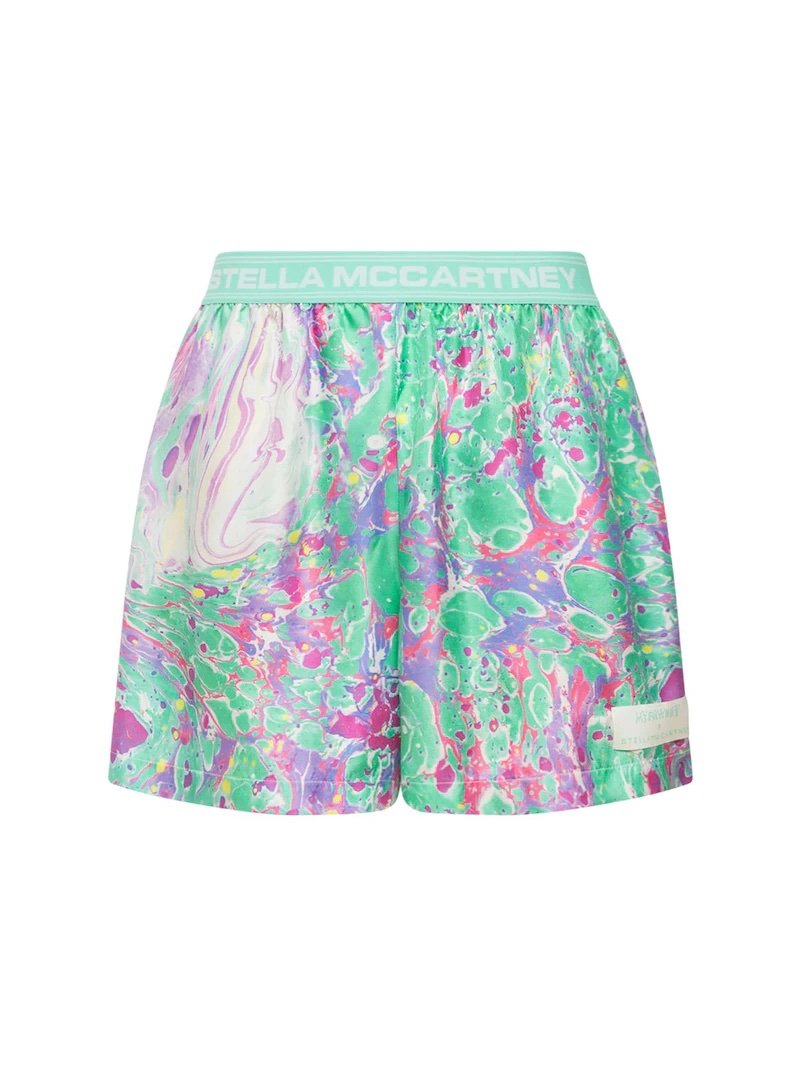
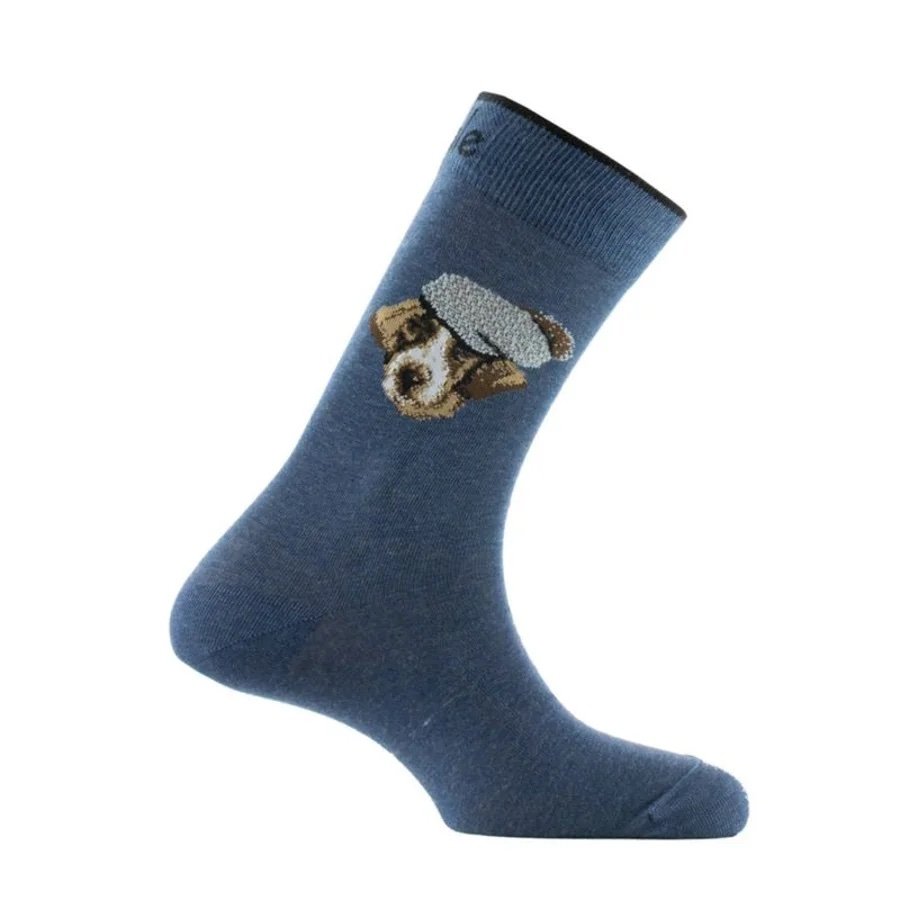
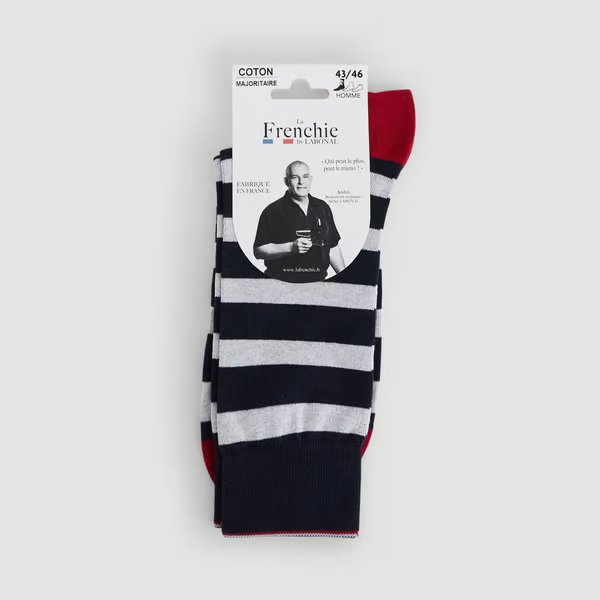
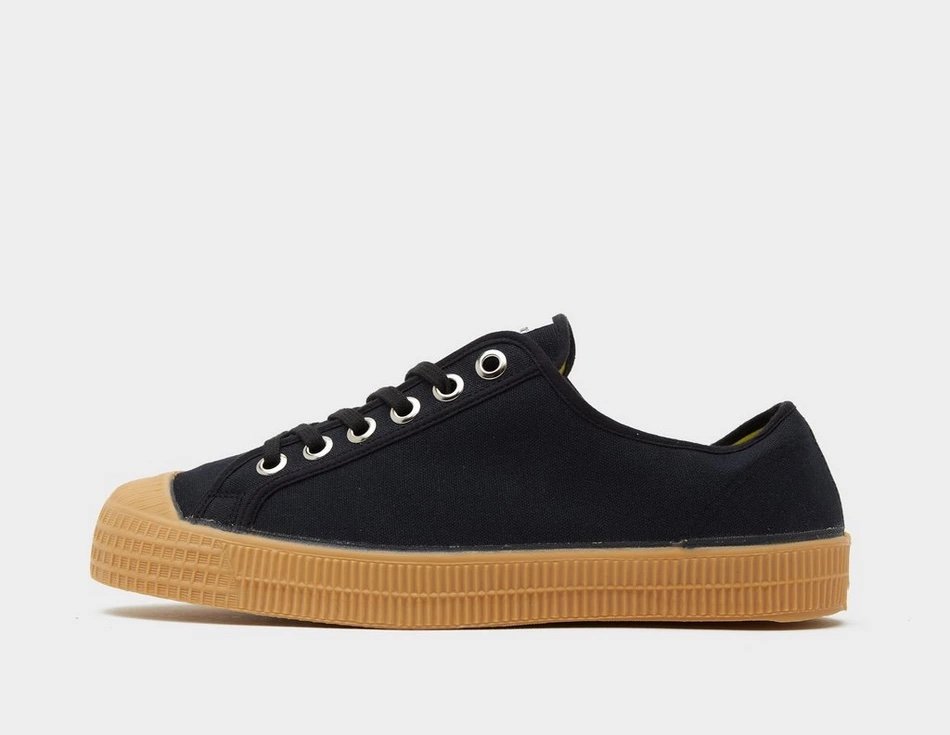
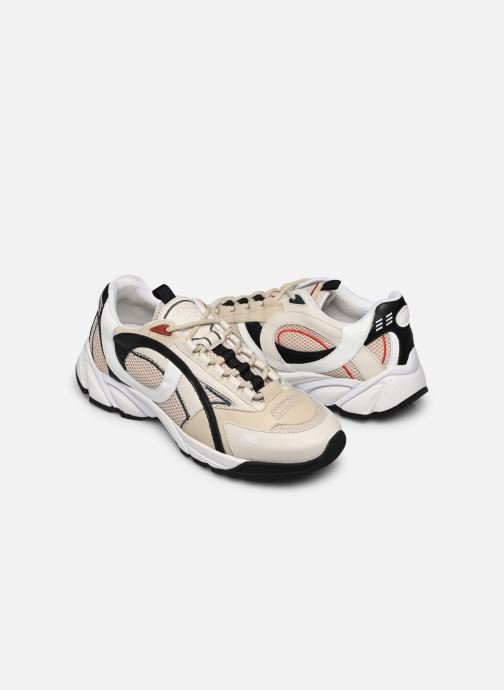
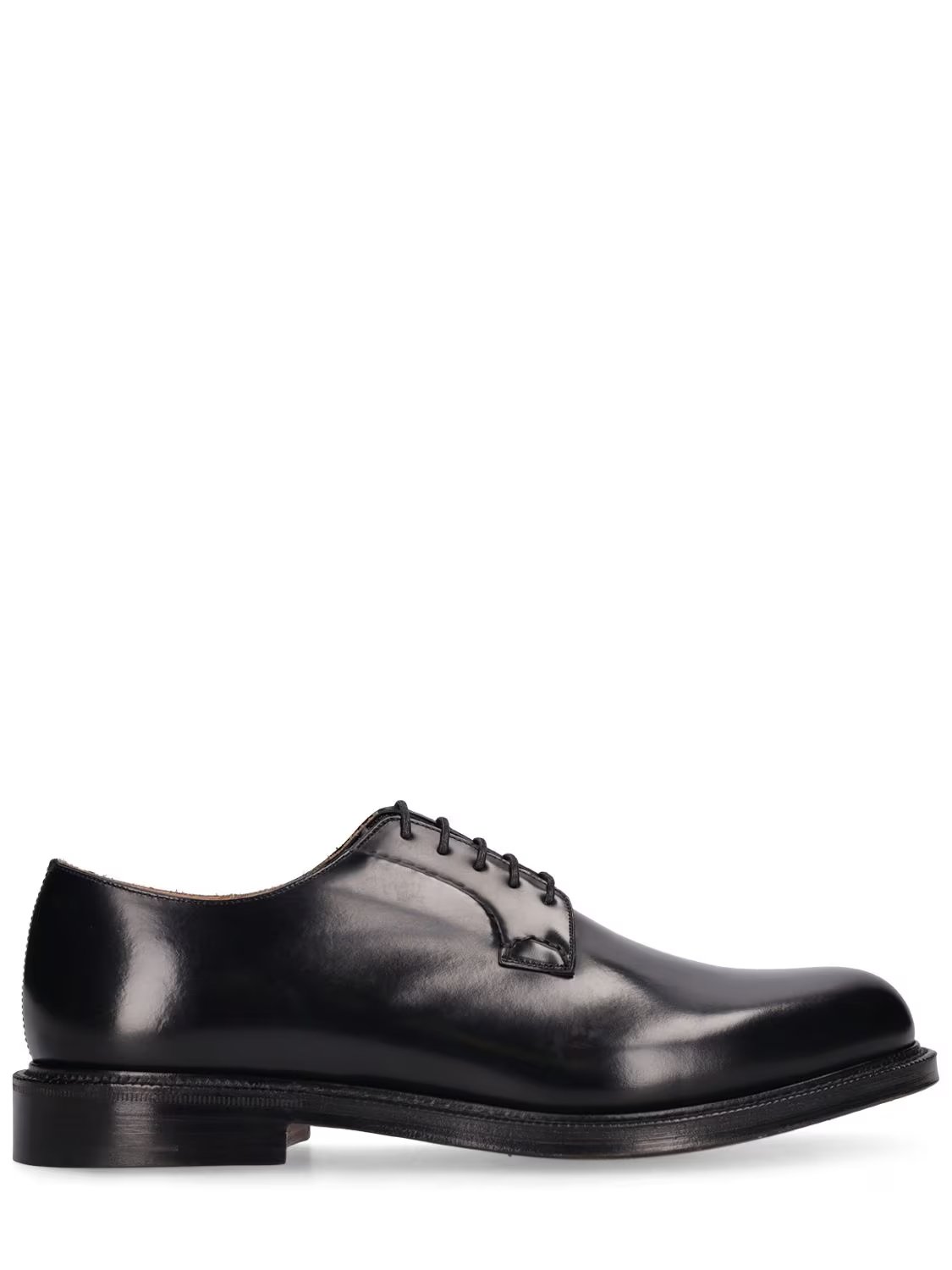
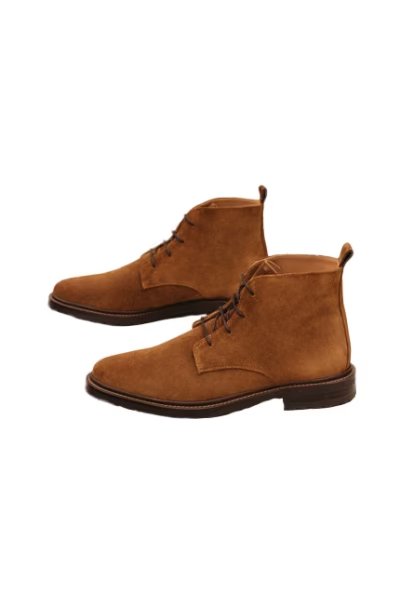
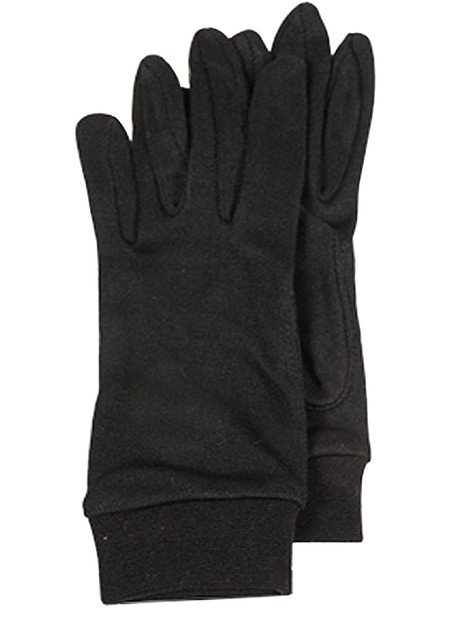
To give you some leads, we’ve prepared a small selection of brands committed to eco-responsible production available on Modalova:










Is eco-responsible menswear size-inclusive?
The second question raised in the debates is about the representation of bodies in menswear. At a time when body positivity is at its peak, men’s fashion seems to have missed the message.
Vogue notably pointed out during the autumn/winter 2023 fashion week that only 8 plus-size models appeared out of a total of 69 shows. A shocking observation.
Between toxic masculinity and financial constraints, various factors contribute to the uniformity of male bodies in fashion, neglecting both curvier silhouettes and those shorter than average.
Why does the restriction of sizes hinder eco-responsible menswear?
This lack of size options has a direct impact on the evolution of eco-responsible menswear. Currently, the brands offering menswear for small and large sizes primarily belong to the Fast Fashion model.
Apart from the trendy aspect and the more than attractive prices, the wide range of sizes is often one of the main reasons for a purchase on a fast fashion site. Where most luxury brands or small eco-responsible brands stop at XS and XL.


This absence of size diversity can be explained, on one hand, by a financial aspect. Creating a piece in a larger or smaller size does not merely require adding 5 cm everywhere; the entire pattern must be revised. This requires additional labor, skilled in working on these silhouettes. Additionally, regarding raw materials, larger fabrics incur higher costs.
A solution implemented by some creators to address these constraints is to work on a made-to-order basis, producing only the required pieces.
Another reason for the lack of diversity in male silhouettes, both in collections and on runways, may be tied to toxic masculinity, which imposes codes reminiscent of Greek statues and leaves no room for varied shapes and heights. Nevertheless, some creators choose to design menswear for all men and aim to evolve the current codes. Among them, Bennet Loveday has created his brand specifically for plus-size men, offering trendy and fitted pieces to highlight their figures.
A winning choice, knowing that, generally speaking, men have a loyal profile towards brands. If a brand’s pieces fit them well, they are likely to concentrate their future purchases at that store.
We see some brands successfully linking eco-responsible menswear with size inclusivity, such as Patagonia or Levi’s. However, their numbers are few, and the road is still long.
So, will the alarm bells currently ringing by certain creators help accelerate the movement? We keep a close eye on the upcoming Fashion Weeks, hoping to see shows celebrating bodies, curves, and varied silhouettes while prioritizing eco-responsibility.
Images: Pexels / Unsplash / Pinterest