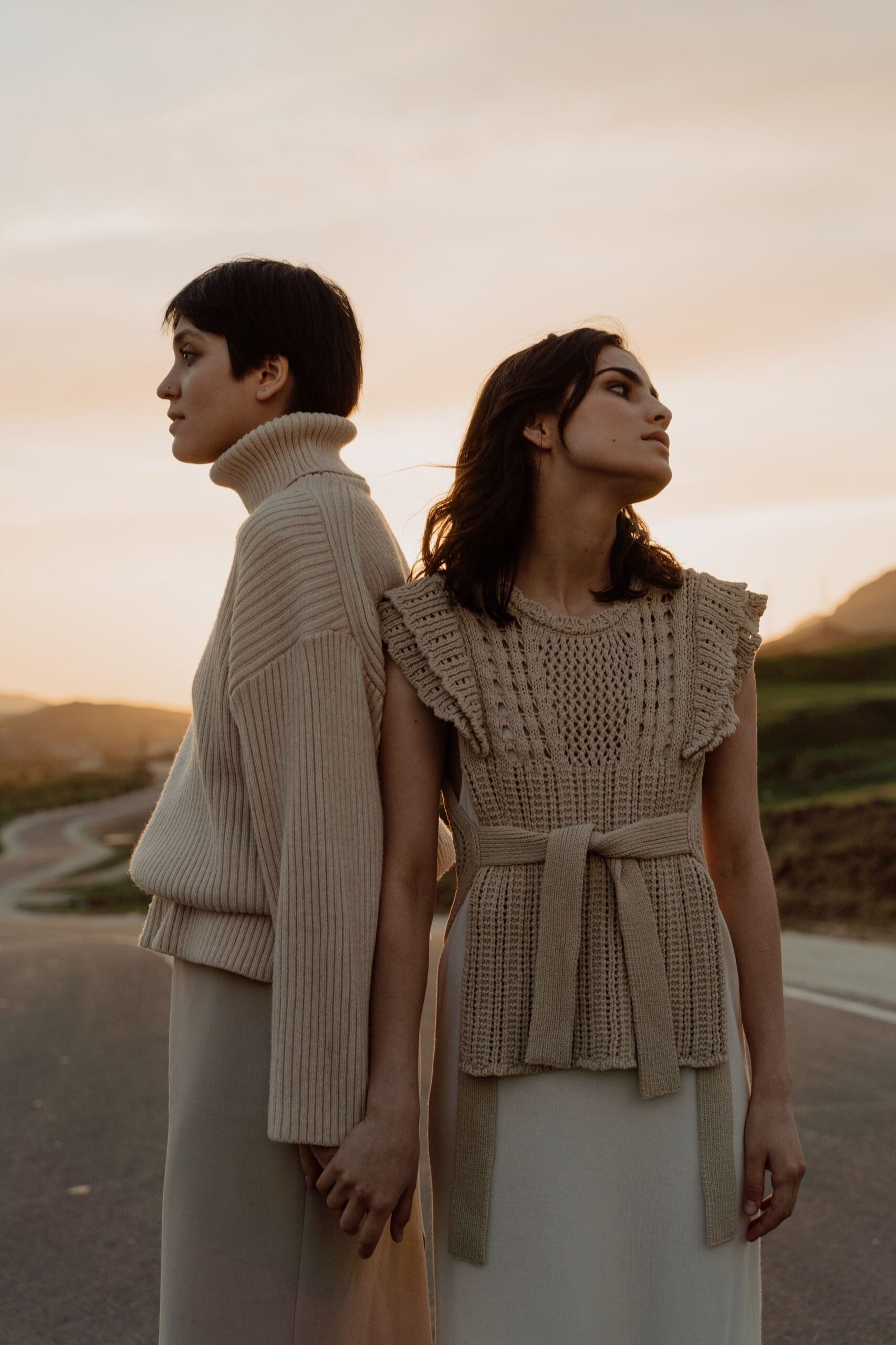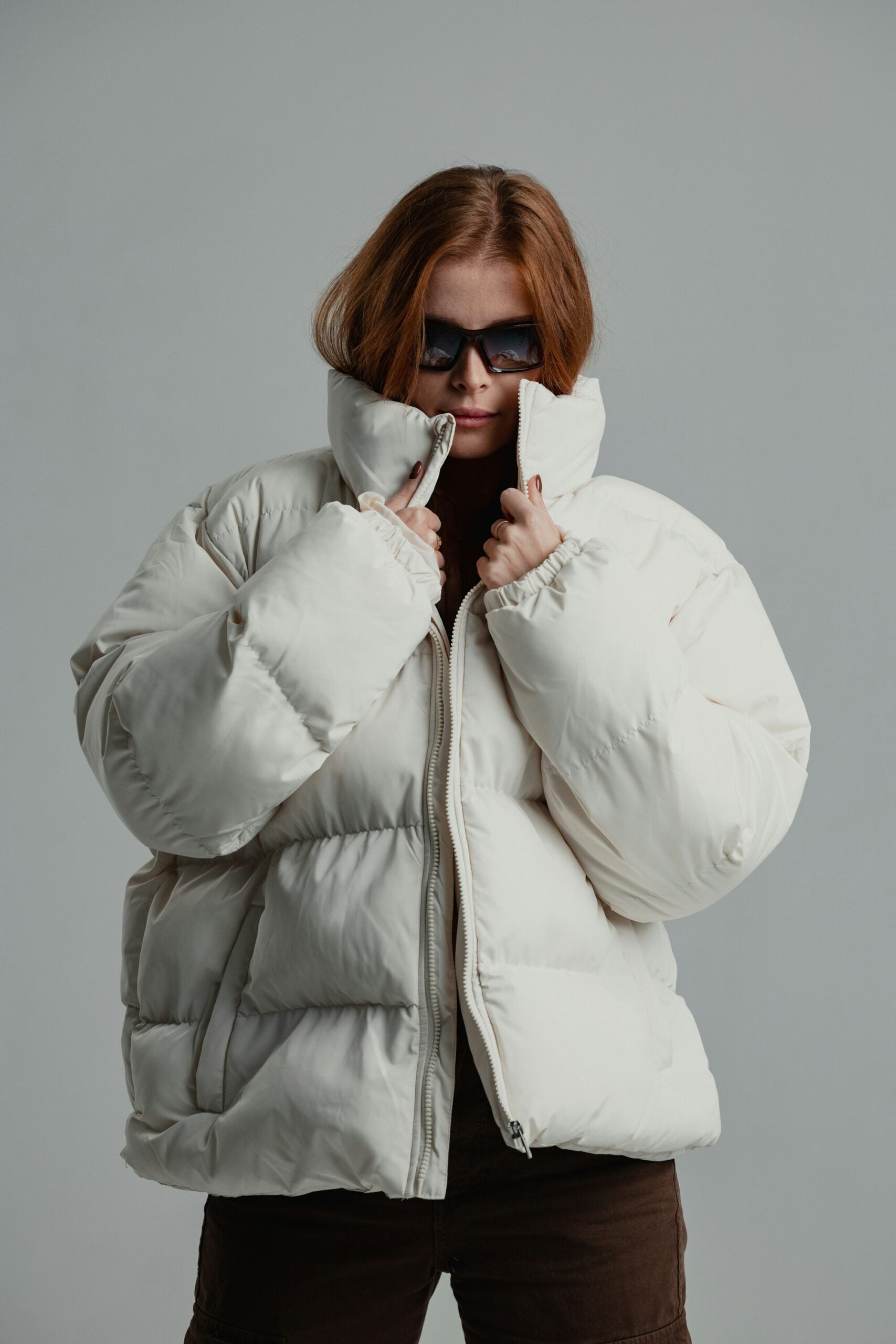
End-of-season fashion is having a quiet comeback
Some pieces never really disappear. They leave the front of the store, slip out of the new-arrivals cycle, and reappear elsewhere with the kind of discretion that often makes them more appealing. A wool coat spotted out of season, a blazer left in one perfect size, a silk dress no longer under the boutique lights: these are the finds that make end-of-season fashion feel suddenly relevant again.
For years, this category was spoken about in practical terms. Clearance. Overstock. Markdown racks. But that feels increasingly outdated. Today, end-of-season shopping belongs to a more thoughtful way of building a wardrobe, one less interested in novelty for novelty’s sake and more focused on cut, fabric, and longevity.
When shopping off-season becomes a style instinct
Buying end-of-season fashion no longer feels like settling. It is a way of looking differently at pieces that have already been produced, whether they come from past collections, excess inventory, customer returns, or dormant stock. In a market where trends move at algorithmic speed, stepping slightly outside the cycle can feel quietly elegant.
Women with genuinely good style rarely chase the newest piece just because it is new. They notice the shoulder of a blazer, the weight of denim, the crispness of a white shirt, the softness of merino wool or cashmere. We have all had that moment: the piece we overlooked when it first arrived, only to think about it months later. End-of-season fashion offers that particular pleasure — a second chance.

The discreet luxury of what lasts
Scarcity changes the way we see clothes. A dress from a past collection, a coat available in only a handful of sizes, or a structured bag no longer sitting at the center of the season can feel more desirable than whatever is currently everywhere.
From Chanel to Saint Laurent, from Prada to The Row, the silhouettes that last are not always the loudest. They are built on line, proportion, and attitude. That is exactly what a good end-of-season find can reveal: clothes no longer tied to urgency, but ready to settle into a wardrobe with quiet confidence.
Circular fashion, but make it elegant
End-of-season fashion naturally belongs to the larger movement toward circular fashion. Choosing a piece that already exists means extending its life rather than giving in, again and again, to the pull of the new. The same logic explains why the conversation around overstock has shifted, from traditional outlet shopping to more specialized sources of liquidation pallets for sale, where excess inventory is increasingly seen less as leftover merchandise and more as fashion waiting for a second life.
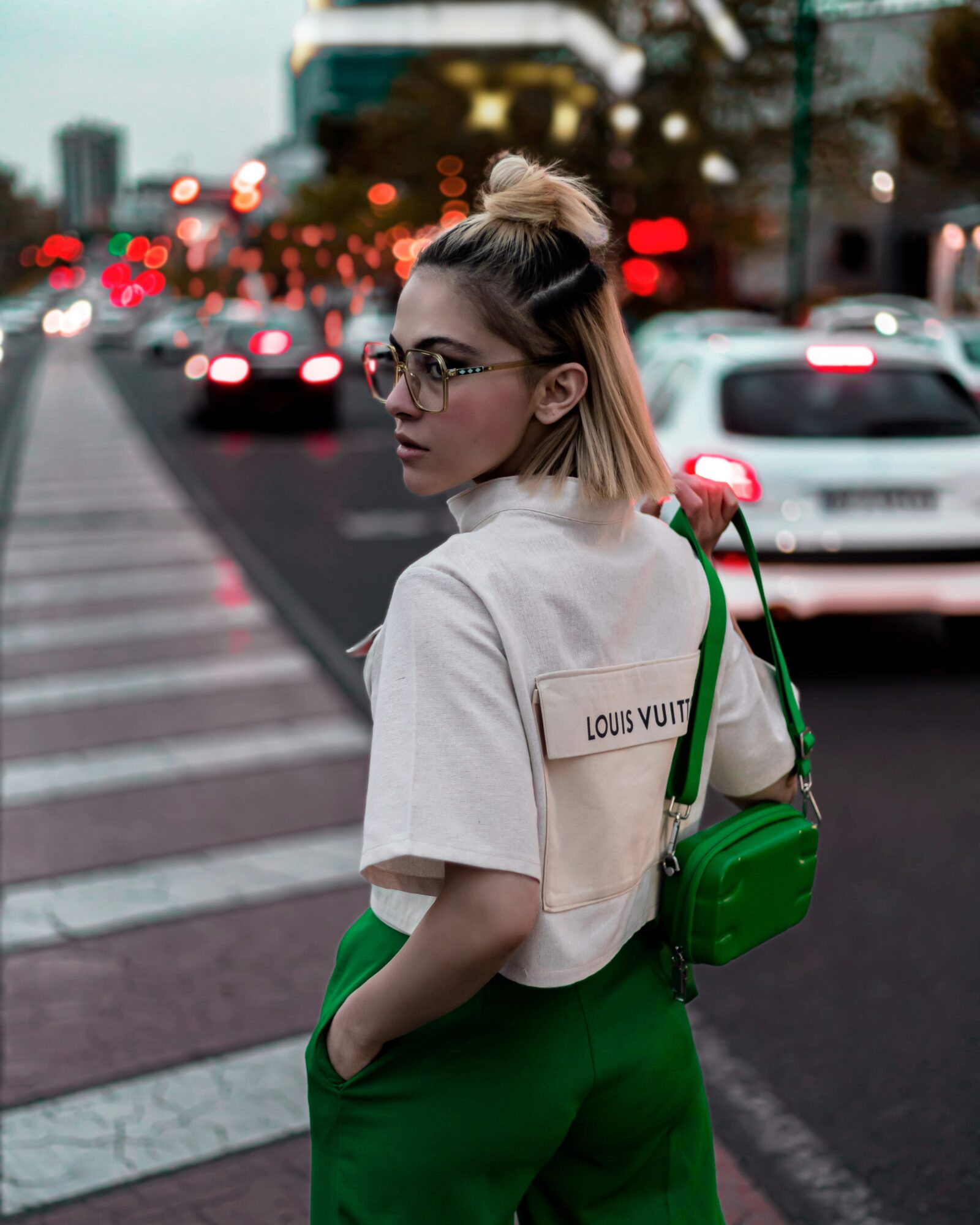
The pieces worth looking for first
The best finds usually begin with fabric and cut. Dense cotton, virgin wool, fluid silk, supple leather, well-woven linen, or generous cashmere often reveal more than a label. A clean lining, sturdy buttons, even stitching, or original tags still attached can separate a simple discount from a genuinely smart purchase.
Wool coats, structured blazers, white shirts, straight-leg jeans, understated dresses, cashmere sweaters, loafers, and leather bags are often the most rewarding. Luxury now lives as much in curation as it does in a label. It can be found in a silent coat, logo-free loafers, a perfectly cut black dress, or the soft sheen of silk clothes that feel intimate rather than obvious.
A good end-of-season find is not simply a less expensive piece. It is something you can imagine wearing two years from now with the same pleasure. Style does not always belong to what just arrived. More often, it reveals itself in what you know how to recognize before everyone else does.