How a cultured diamond grows, atom by atom
Before it becomes the focal point of a ring or the discreet flash of a pendant, a lab-grown diamond begins with something almost imperceptible: a sliver of diamond crystal. From that seed, carbon becomes one of jewelry’s most coveted materials—not over billions of years underground, but within the controlled conditions of a laboratory.
The result has the same crystal structure and essential optical and chemical properties as a mined diamond. Yet how it is grown can reveal much about its provenance, quality and place within contemporary fine jewelry.
How a cultured diamond takes shape
Two technologies dominate lab-grown diamond production: High Pressure High Temperature (HPHT) and Chemical Vapor Deposition (CVD). Both begin with a diamond seed, but follow very different paths.
HPHT recreates the intense heat and pressure associated with natural diamond formation. At temperatures above 1,300°C and under immense pressure, carbon crystallizes around the seed to form diamond rough.
CVD takes a more controlled approach. Inside a vacuum chamber, hydrogen and methane are energized into plasma, releasing carbon that settles onto the seed layer by layer. The resulting crystal is then ready to be cut.

CVD or HPHT: does the difference matter?
To the naked eye, beautifully finished CVD and HPHT diamonds can offer comparable brilliance. Gemologists, however, can identify microscopic signatures created during growth, while some stones undergo post-growth treatments to refine their color.
Neither method guarantees superior beauty. Certification from laboratories such as GIA or IGI provides an independent assessment of characteristics that are difficult to judge by sight alone.
Where technology meets craftsmanship
A reactor can grow a diamond; it cannot create an exceptional cut. Proportion, symmetry and polish determine how successfully a finished stone interacts with light, leaving the cutter central to its allure.
This distinction feels increasingly relevant as lab-grown diamonds enter a more design-conscious era. Prada, for example, has incorporated laboratory-grown diamonds into its Eternal Gold fine-jewelry collection. The conversation is moving beyond whether these diamonds are “real” toward a more compelling question: what makes the finished jewel desirable?
Provenance as a measure of value
As lab-grown production expands, rarity is no longer the only language of value. Traceability, craftsmanship and design become more visible differentiators.
Sustainability also requires nuance. Growing diamonds consumes energy, meaning a facility’s electricity source can influence its environmental footprint. For buyers interested in responsible jewelry, precise questions about where and how a stone was produced are more useful than vague “eco-friendly” claims.
The art of keeping jewelry beautiful
Longevity depends on more than the stone. Precious metals and settings respond differently to daily wear, cosmetics and cleaning, making considered care part of owning fine jewelry.
Silver requires particular attention as tarnish naturally develops over time. For practical guidance, see https://www.vrai.com/journal/post/how-to-clean-silver-jewelry-guide. Diamond-set pieces deserve the same consideration: cleaning should protect the metal and setting as carefully as the stone itself.
What to look for in a lab-grown diamond
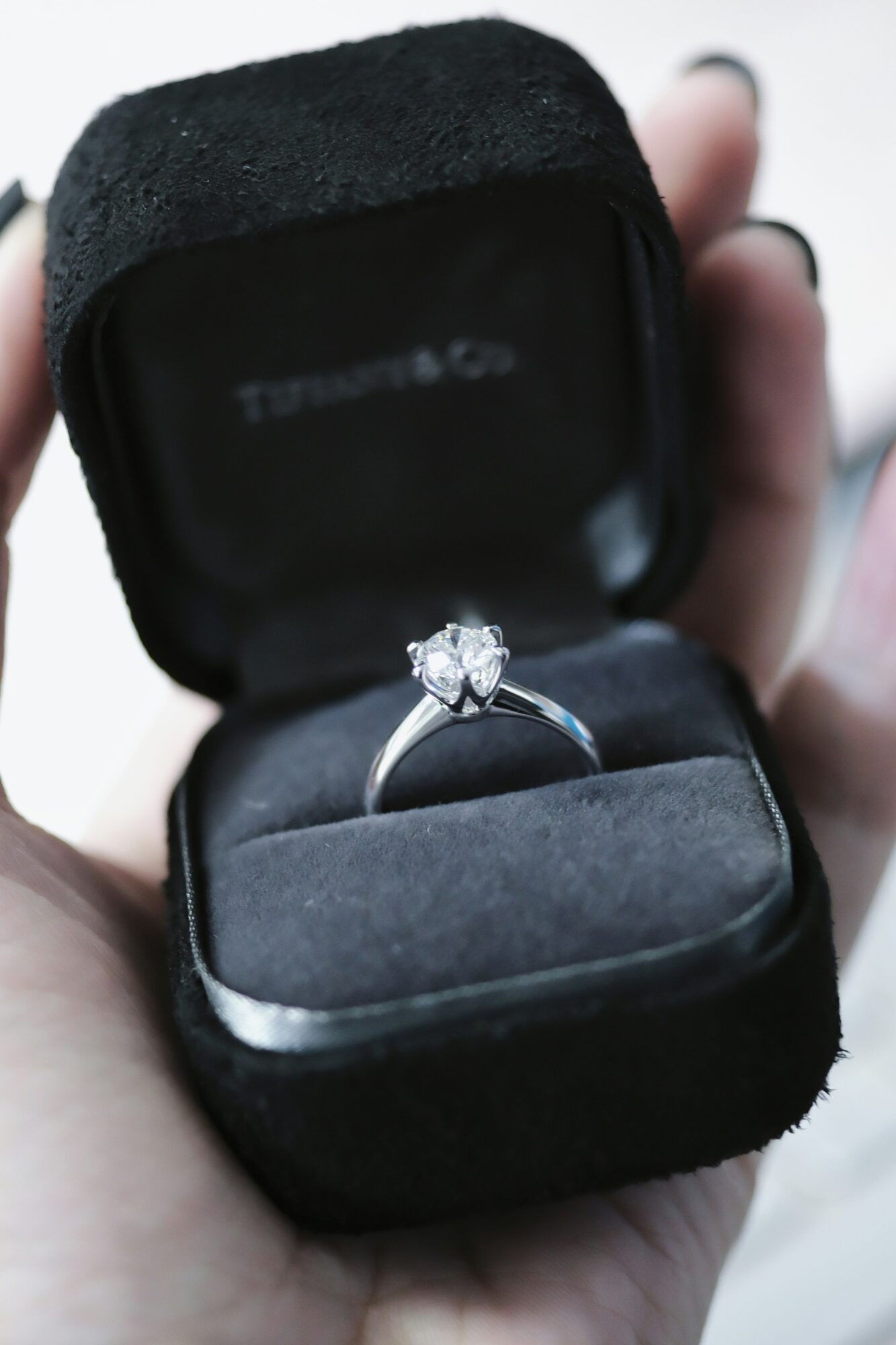
A considered choice begins with cut, color, clarity and proportion, supported by independent certification and transparent provenance.
That may be where cultured diamonds become most interesting. Technology can accelerate what geology accomplishes over immense stretches of time, but it cannot automate taste. As diamonds become more accessible, the cutter’s judgment, the jeweler’s hand and the intelligence of the design become more, not less, important.