Inside the rise of soft, expensive-looking homes
A luxurious home rarely announces itself. It is felt in the softness of the light, the discipline of the palette, the weight of a material, the space left around a beautiful object. The most refined interiors are not necessarily the most expensive; they are the most considered. Every finish, surface, and proportion seems to have been chosen with intention.
This is where quiet luxury finds its most natural expression at home: not in excess, but in restraint. A room begins to feel elevated when it looks composed rather than decorated.
- 1. Lighting sets the tone before anything else
- 2. Small details make a room feel custom
- 3. Color is where quiet luxury begins
- 4. The kitchen is the new center of everyday luxury
- 5. Clear surfaces create a sense of ease
- 6. Natural materials bring lasting warmth
- 7. The most luxurious homes are the most considered
Lighting sets the tone before anything else
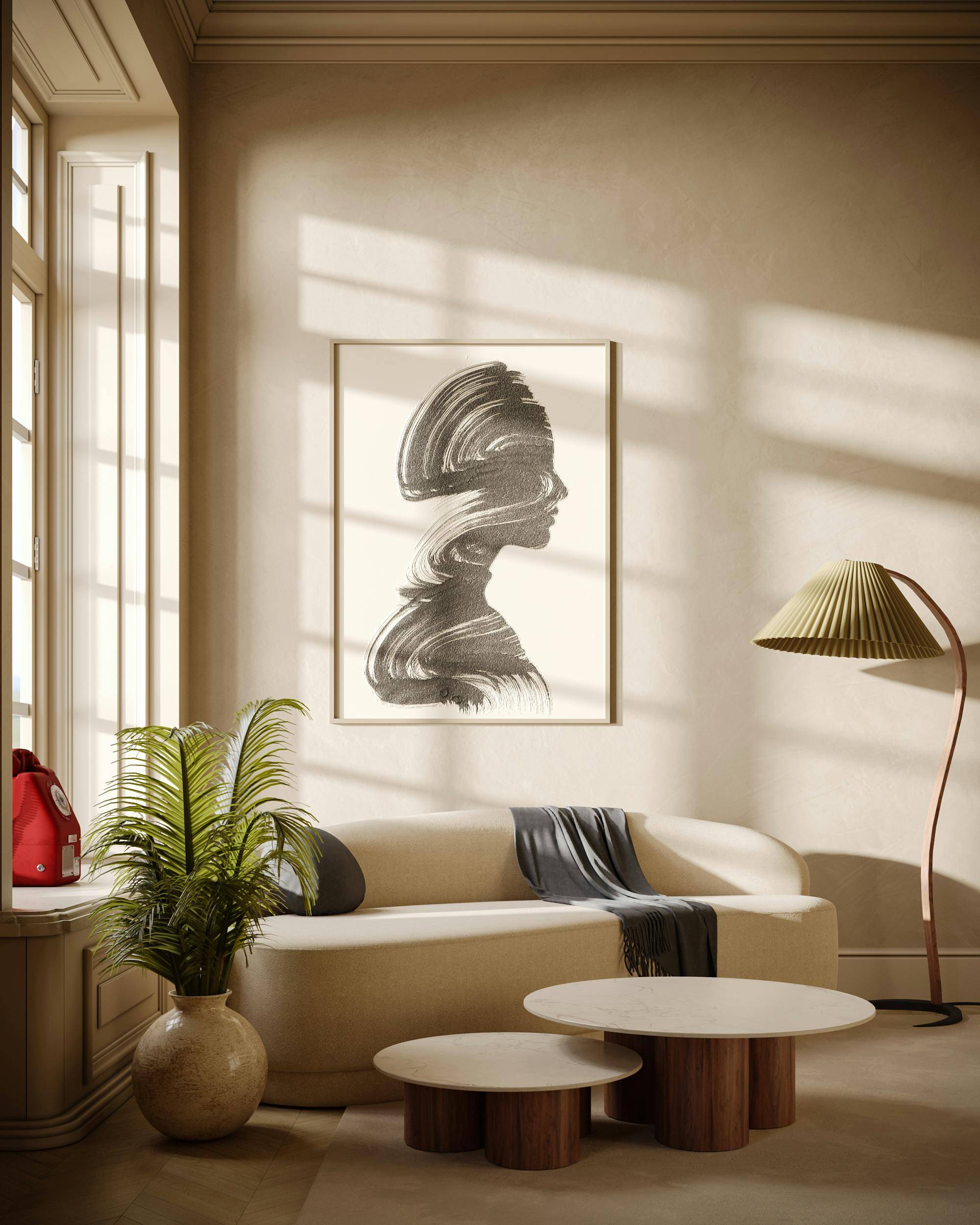
Lighting has the power to make a room feel either unfinished or quietly sophisticated. A harsh overhead fixture can flatten textures and cool the atmosphere, while layered lighting creates depth, warmth, and a more intimate rhythm.
The most elegant spaces rarely depend on a single source of light. A sculptural table lamp beside a sofa, a pair of sconces framing artwork, a pendant suspended over a dining table, or a floor lamp placed near a reading chair can completely change the way a room is experienced. The effect should feel soft but deliberate, closer to the atmosphere of a boutique hotel or a beautifully designed restaurant than a brightly lit showroom.
A warmer bulb instantly softens the room, casting the kind of glow that makes even familiar furniture feel more intentional. Dimmer switches add another layer of control, allowing the same space to feel practical by day and quietly atmospheric by evening.
Small details make a room feel custom
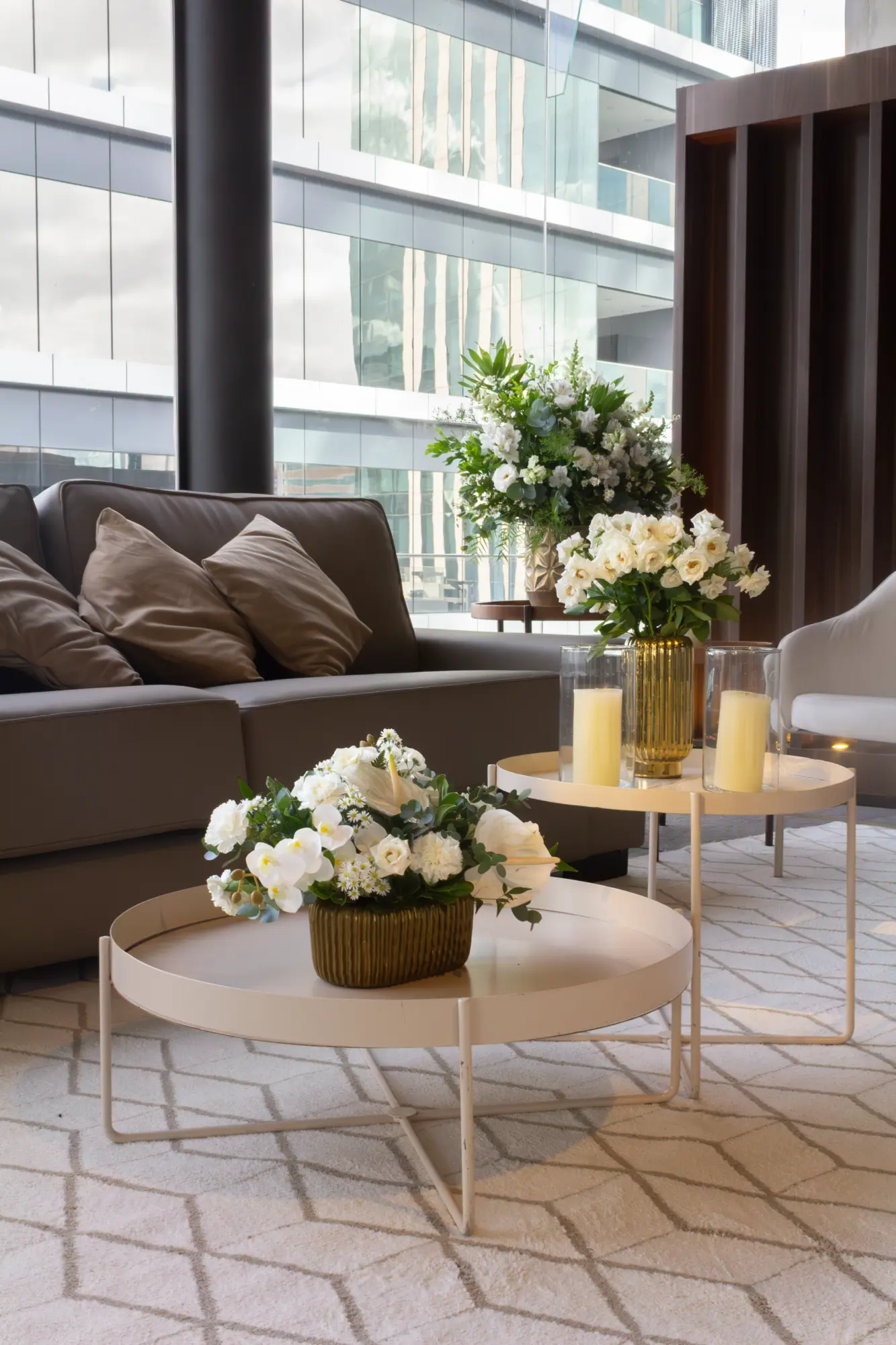
The smallest details often reveal the most about an interior. Cabinet pulls, faucets, switch plates, curtain rods, and door handles may seem secondary, yet they shape the overall impression of a room with surprising force.
A scratched handle, a dated fixture, or a mix of mismatched finishes can make an otherwise beautiful space feel unresolved. Replacing them with brushed brass, polished nickel, matte black, or oil-rubbed bronze brings a sense of cohesion. The objective is not perfect uniformity, but visual discipline.
These details work best when they appear quiet and intentional. A home feels more refined when its finishes belong to the same conversation, moving from room to room without interruption.
Color is where quiet luxury begins
Paint remains one of the most transformative tools in interior design. A carefully chosen color can soften architecture, warm up natural light, and make a room feel more layered without adding a single new object.
Many interiors are moving away from flat, cool grays in favor of shades with more depth and warmth. Soft white, oatmeal, greige, mushroom, sage, clay, and warm taupe create a more enveloping backdrop. This shift reflects a broader desire for homes that feel calm, tactile, and lived-in. Designers increasingly recommend that homeowners avoid overly cold gray shades and choose tones that bring dimension rather than chill.
The most successful palettes do not compete for attention. They create continuity. Painting interior doors, built-ins, trim, or even a ceiling can add subtle contrast and architectural interest without disturbing the balance of the room.
The kitchen is the new center of everyday luxury
In many American homes, the kitchen is the room that carries the most visual and emotional weight. It is where mornings begin, where guests gather, and where the rhythm of daily life becomes most visible. For that reason, even modest updates can have a significant impact.
The most successful kitchen improvements are often the least dramatic: a better finish, a quieter palette, more refined lighting, new hardware, or a more deliberate use of negative space. A kitchen does not need to be entirely replaced to feel renewed.
When cabinets are still structurally sound but look outdated, many homeowners decide on cabinet refinishing instead of removing and replacing them completely. A new finish can make the room feel brighter, cleaner, and more cohesive, especially when paired with elegant hardware and warm lighting. It is a practical choice, but also a design-minded one: it preserves what still works while refining what the eye sees first.
Clear surfaces create a sense of ease
Nothing diminishes an elegant room faster than surfaces that have lost their sense of intention. Clutter interrupts the eye, weakens the architecture, and makes even well-chosen pieces feel less important.
A refined home is not empty. It is edited. A ceramic bowl on an entry table, a tray on a coffee table, a linen-covered box, or a woven basket can bring order without removing personality. What matters is the space around each object.
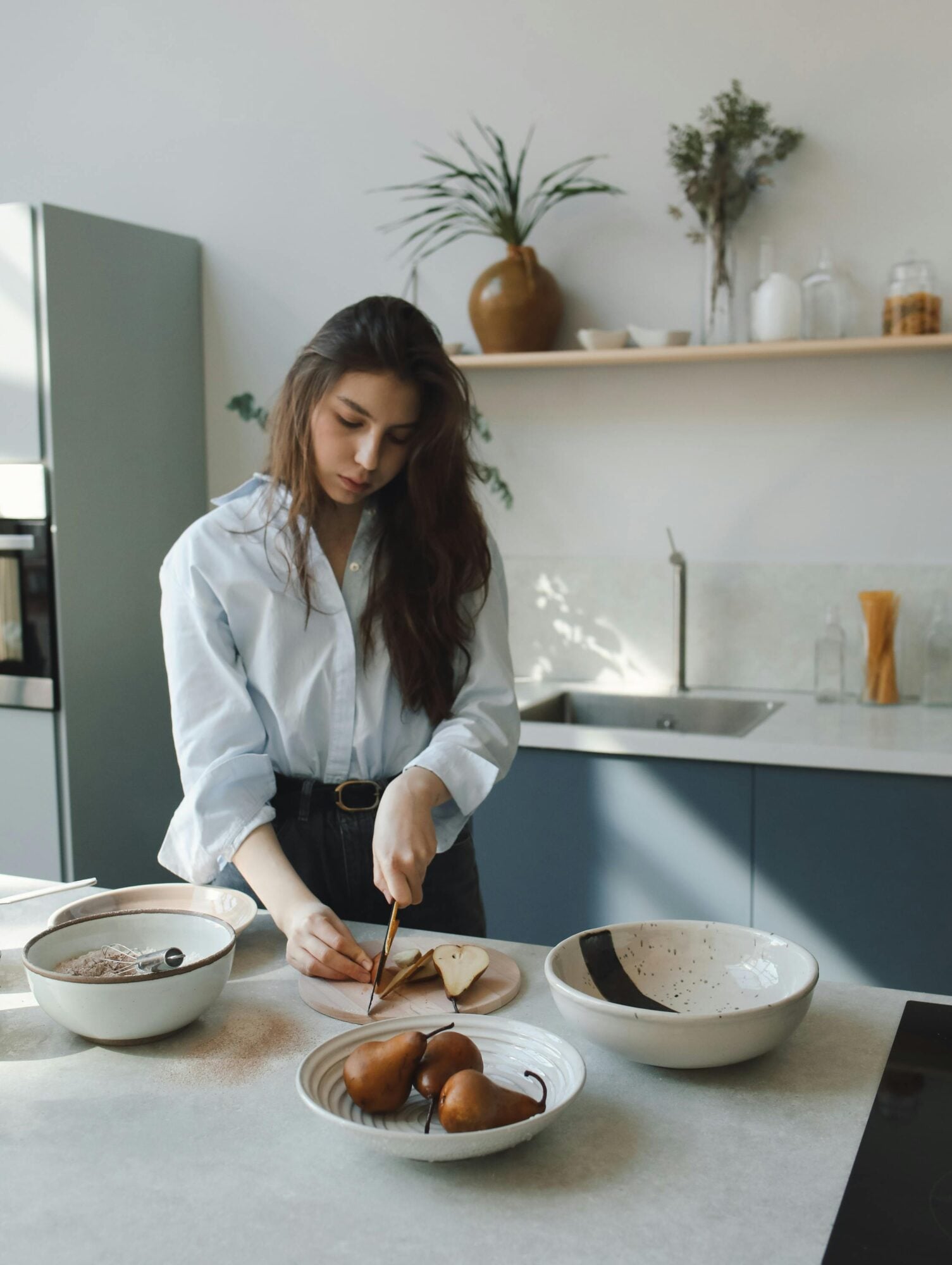
Kitchen counters especially benefit from cleaner layouts. Fewer appliances, fewer scattered products, and more open surface area create a calmer, more elevated impression. A single vase, a wooden cutting board, or a small lamp often has more presence than a collection of decorative objects.
Natural materials bring lasting warmth
Natural materials have a way of making a room feel settled. Wood, linen, stone, ceramic, cotton, rattan, and greenery add warmth and texture without relying on ornament. They age gracefully, catch light beautifully, and make a space feel less artificial.
A solid wood table, linen curtains, a stone tray, a hand-thrown ceramic lamp, or a woven basket can shift the mood of a room immediately. These elements do not demand attention. They create atmosphere.
The key is moderation. Too many textures can feel busy, while a few carefully chosen materials give a room depth. The result is not a staged interior, but a home that feels collected, tactile, and quietly enduring.
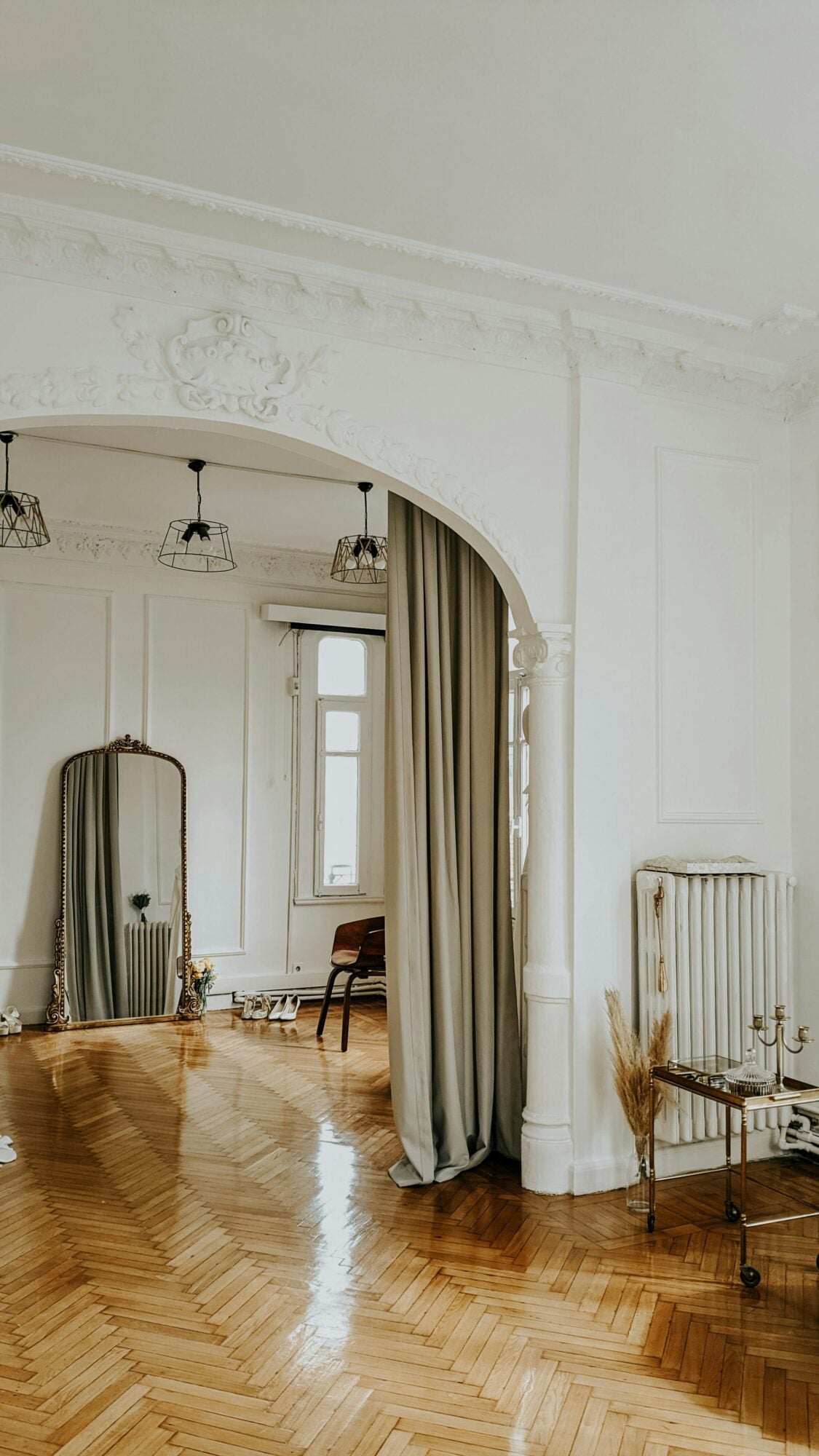
The most luxurious homes are the most considered
A more luxurious home does not require dramatic renovation or conspicuous design statements. It comes from decisions that refine how a space feels: the right light, the right finish, the right shade of paint, the right amount of emptiness.
True elegance is rarely loud. It lives in proportion, restraint, and the confidence to leave certain surfaces untouched. A considered home does not try to impress. It creates the quieter, more lasting impression of taste.