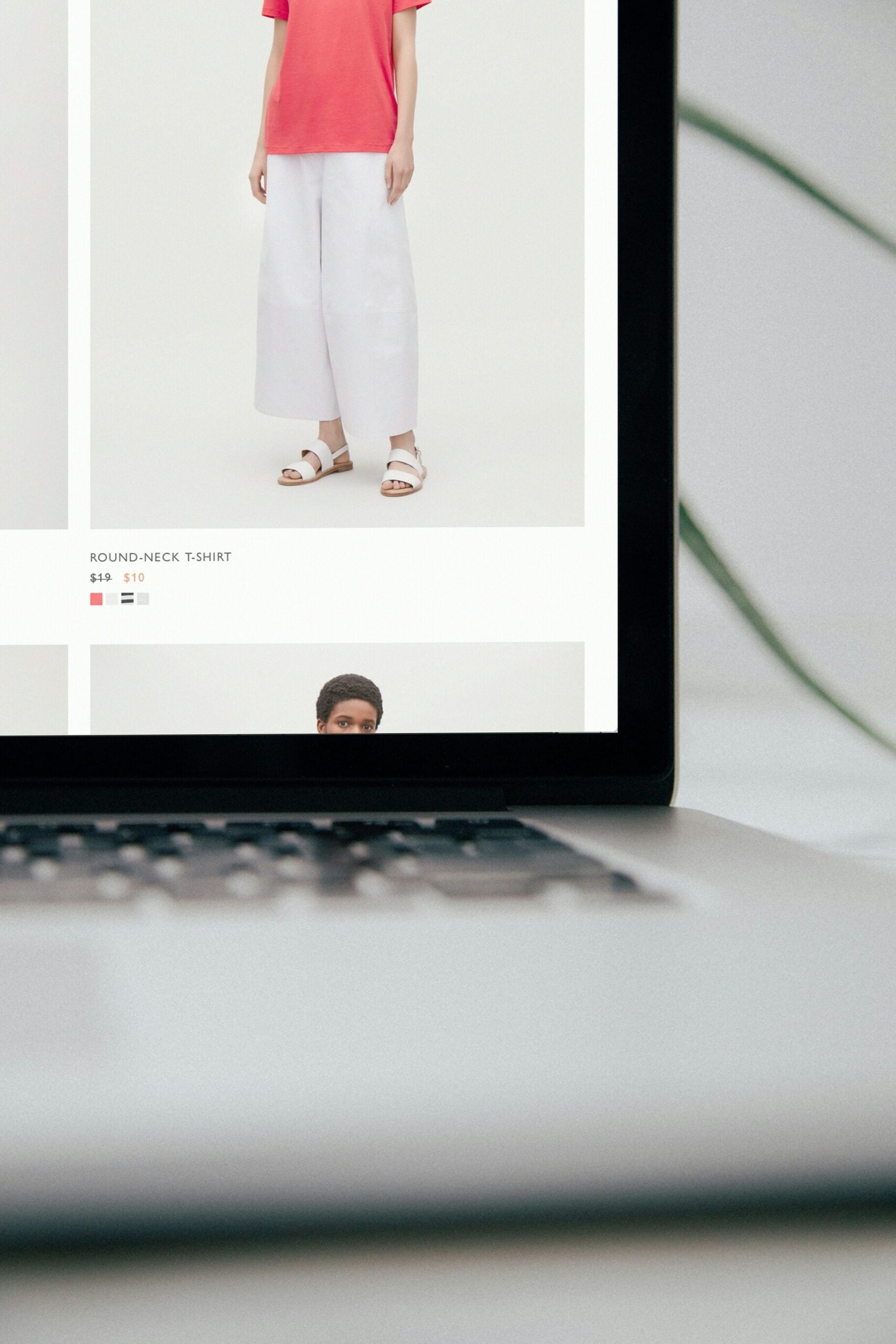
Is your personal data safe when shopping online?
A new designer discovery, an exclusive collection, a beautifully curated boutique: online shopping has made the fashion landscape more accessible than ever. Yet every purchase leaves a digital trace. Between saved payment methods, loyalty memberships, and accounts created for a single order, personal information can accumulate across more platforms than most shoppers realize.
The convenience comes with a less visible consideration. When a retailer experiences a data breach, exposed login credentials can potentially open the door to other accounts, particularly when passwords have been reused. For anyone who regularly shops across multiple fashion websites, knowing where personal information is stored, and how to protect it, has become an essential part of the experience.
Why online shoppers are vulnerable to data breaches
Behind a thoughtfully designed storefront sits an extensive network of customer information. Fashion retailers may collect names, delivery addresses, shopping histories, and billing details, making their platforms potentially valuable targets for cybercriminals.
The rise of digital wallets, installment payment services, and personalized loyalty programs has further transformed the checkout experience. While these features offer convenience, they also introduce additional services into the purchasing process, each with its own approach to handling customer data.
From independent designer boutiques to limited-edition releases, discovering something distinctive often means shopping beyond familiar retailers. Security standards, however, can vary across businesses of every size. Choosing established payment methods and avoiding reused passwords remain sensible precautions, regardless of where a purchase is made.
The scale of the problem extends well beyond individual retailers. According to Idtheftcenter, data compromises remain a significant concern in the United States. For frequent online shoppers, these risks are particularly relevant when the same login credentials are used across multiple retail accounts.
The consequences of a breach can extend beyond exposed account details. Stolen information may be used to create convincing phishing messages, including fake delivery updates, order confirmations, and refund requests. When these communications resemble those of a familiar retailer, the distinction is not always immediately obvious.

5 signs your personal data may be compromised
A compromised shopping account rarely announces itself dramatically. The earliest indications may be hidden among everyday emails, purchase notifications, or account updates.
1. Password reset requests you never made
An unexpected password reset email can indicate that someone is attempting to access your account. A single request does not necessarily signal a breach, but repeated notifications warrant closer attention.
2. Purchases you don’t recognize
Unfamiliar order confirmations or unauthorized charges, even for small amounts, deserve immediate investigation. Fraudsters may sometimes use minor transactions to test whether stolen payment details remain valid.
3. Changes to your shopping accounts
Missing loyalty rewards, unfamiliar delivery addresses, or modified account settings can suggest that someone else has gained access. These details are easy to overlook, particularly on websites used infrequently.
4. Suspicious messages from familiar brands
A convincing phishing email may borrow a retailer’s visual identity, reference a recent purchase, or promise an unexpected refund. Rather than following links in the message, visit the retailer’s official website directly.
5. A notification about a security incident
If a retailer confirms that customer information has been exposed, review which details were affected. Depending on the circumstances, changing passwords, monitoring transactions, or contacting your financial institution may be necessary.
How to check if your data is on the dark web
A data breach does not always lead to immediate account misuse. Exposed information can circulate through criminal marketplaces or appear in collections of leaked credentials long after the original incident.
For shoppers wondering “am I on the dark web” following a retailer’s security notice, reputable breach-lookup services offer a practical starting point. These tools can identify whether an email address appears in known leaked datasets, while some password managers flag credentials associated with reported breaches.
Start with the email address connected to your most frequently used shopping accounts. Since it often serves as the gateway to password resets, securing that inbox is particularly important.
Older accounts deserve attention, too. A boutique visited for a one-off purchase or an exclusive designer collaboration may still retain personal information years later. Reviewing unused accounts and requesting deletion where appropriate can help reduce unnecessary exposure.
Some financial institutions and identity protection providers also offer dark web monitoring, although their coverage differs. No service can identify every compromised record, so an absence of alerts should never be mistaken for a guarantee that personal data is secure.

How to protect your personal data when shopping online
A thoughtfully curated wardrobe reflects an eye for detail. The same attention is worth extending to the digital accounts behind every purchase.
Unique passwords remain fundamental. A reputable password manager can generate and store complex credentials, eliminating the temptation to reuse the same login across several fashion retailers. Wherever possible, enable two-factor authentication, particularly for email, financial services, and shopping accounts containing saved payment information.
Consider how much personal information a retailer genuinely needs. Saving a card for future purchases may be convenient, but it is not always necessary, especially when ordering from a boutique for the first time. Trusted payment services and guest checkout options can offer alternatives, depending on the retailer.
Before placing an order, take a moment to verify the website’s legitimacy, particularly when arriving through social media advertisements or promotional emails. A polished storefront is not, by itself, evidence of a trustworthy business.
Regularly reviewing financial statements and account activity is equally worthwhile. If something appears unfamiliar, act promptly by securing affected accounts and contacting the relevant retailer or payment provider.
The appeal of online shopping lies in its freedom: access to independent labels, coveted collections, and designers from around the world. Protecting the information behind those purchases is simply part of shopping with discernment.