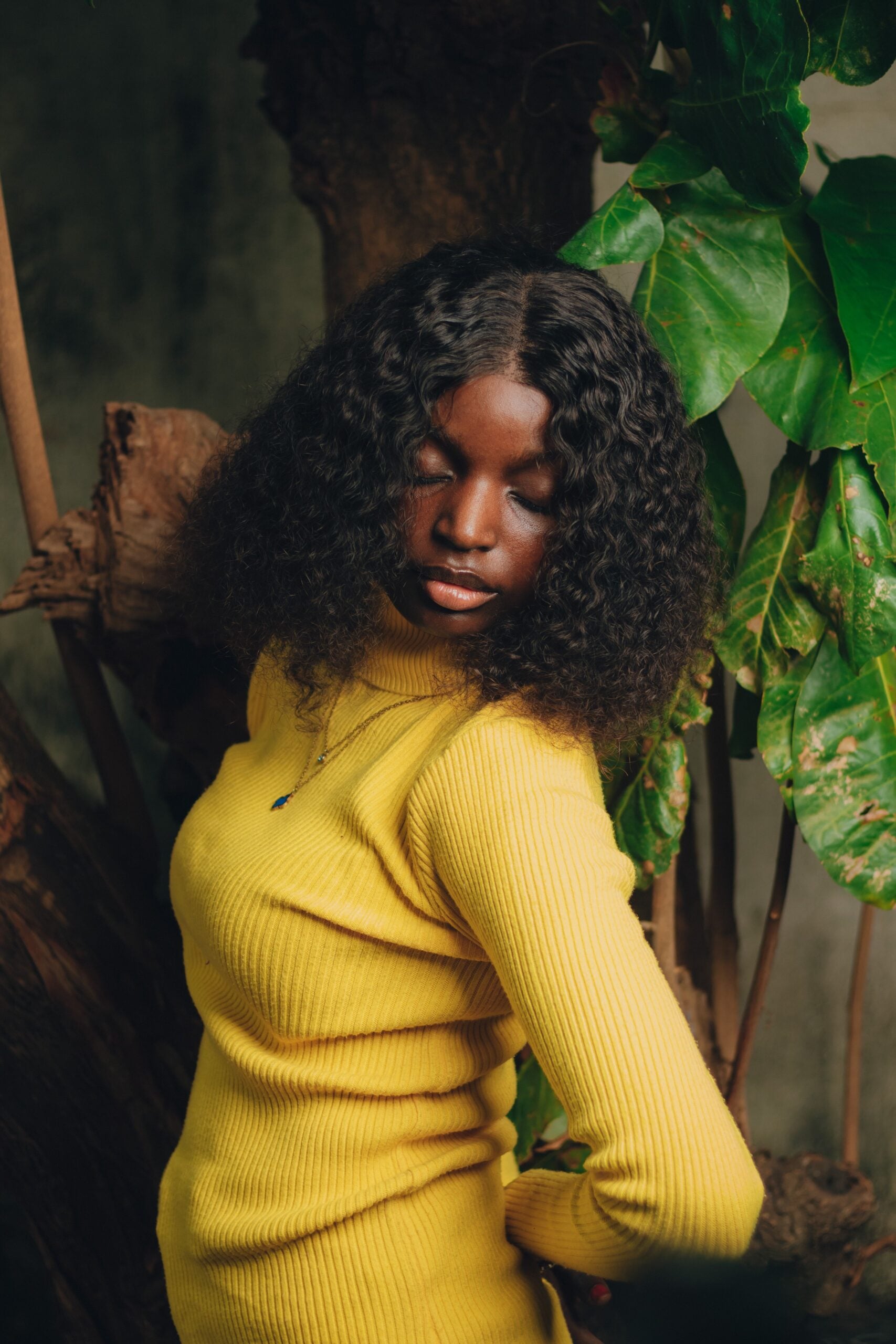
Why baobab is redefining Autumn curl care
Autumn has a way of changing how curls behave. The first wool scarves, cooler mornings, and the return of indoor heating can leave even the most defined spirals looking a little less polished. Suddenly, the lightweight routine that worked throughout summer no longer feels quite right.
This season, baobab is making a quiet entrance into curl care. Rooted in African botanical traditions and increasingly embraced by modern beauty formulations, the ingredient brings an intriguing new perspective to the autumn hair ritual.
Baobab, from african erhitage to beauty shelves
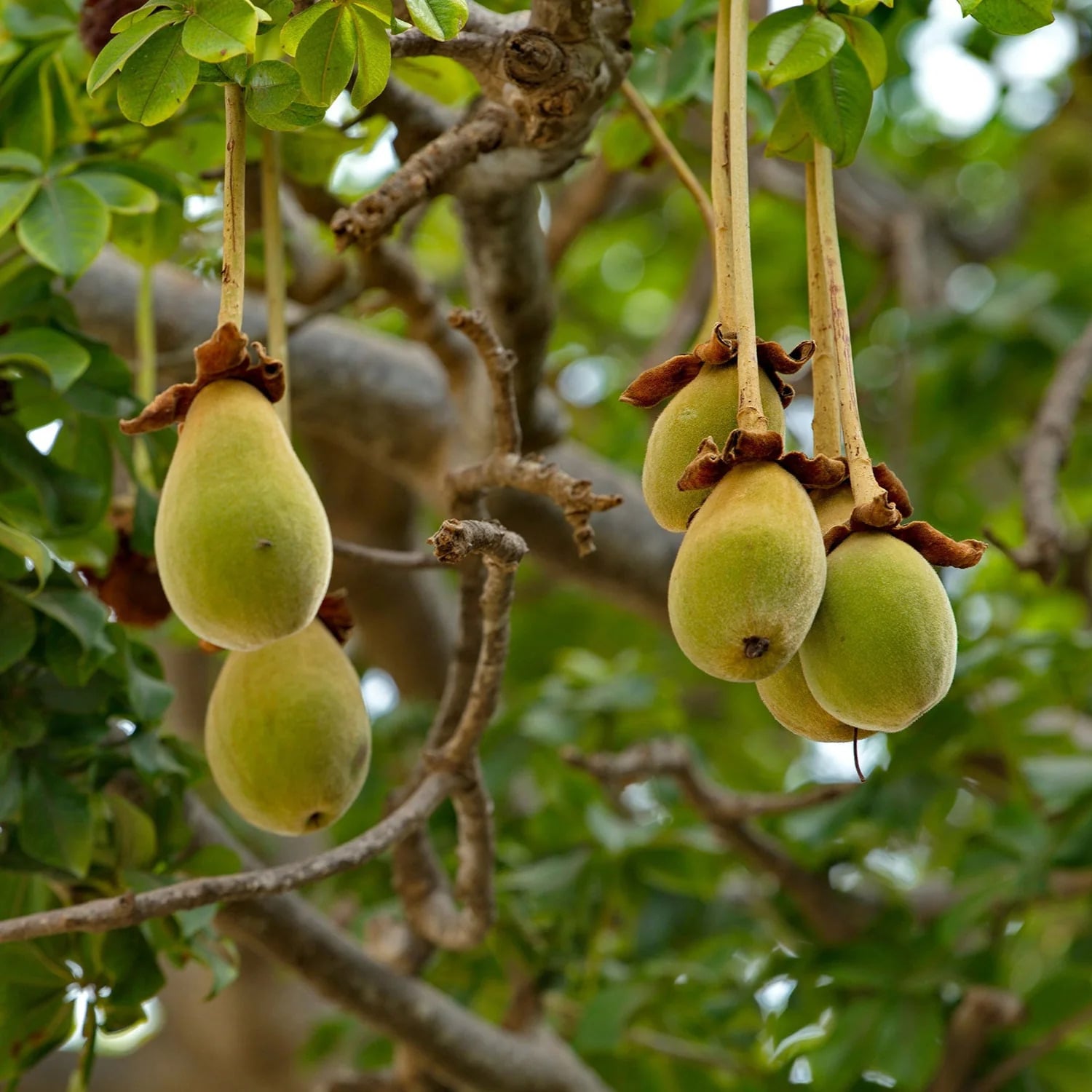
Across parts of Africa, the baobab has long been known as the tree of life. Its fruit, protected by a hard shell, contains a naturally dried pulp valued for its nutritional properties.
Research has drawn attention to its remarkable vitamin C levels, alongside its fiber and mineral content. While these qualities do not automatically translate into hair benefits, they help explain why baobab has attracted the attention of cosmetic formulators.
Its appeal also reflects a broader shift in beauty: a growing appreciation for ingredients with a distinct origin, cultural significance, and a story worth understanding.
Why curl shampoo deserves a seasonal rethink
Curly hair has its own relationship with moisture. Because natural oils travel less easily along the bends of each strand, lengths can become dry while the scalp remains comfortable.
The AAD recommends adapting washing frequency to individual needs and choosing moisturizing products that respect the hair’s natural texture.
This is where a well-formulated curl shampoo becomes particularly relevant.
Italian haircare house Davines has incorporated baobab extract into its creamy baobab cleanser, part of the LOVE CURL collection. Its soft, creamy texture makes cleansing feel less like a necessary step and more like the beginning of a considered beauty ritual.
The brand sources its baobab through a women’s association in Burkina Faso, adding a human dimension to the ingredient’s journey from harvest to bathroom shelf.
What makes baobab interesting for curls?
Beyond its heritage, baobab has a composition that continues to attract scientific interest. A detailed HerbalGram review examines its naturally occurring carbohydrates, fiber, and other constituents.
In haircare, however, the real difference comes from the complete formula. Conditioning agents, humectants, and gentle cleansers work together to support softness and manageability.
For curls, that balance matters. The aim is not to coat every strand in richness, but to preserve movement while keeping dryness and frizz under control.
The art of caring for curls in Autumn
The change of season calls for a few thoughtful adjustments. As heating dries indoor air, hair can become more vulnerable to static and friction. The Mayo Clinic recommends maintaining indoor humidity between 30% and 50%, a useful reference as temperatures begin to fall.
A gentle shampoo, conditioner worked through damp lengths, and a lightweight styling cream can help curls retain their shape. Satin pillowcases and silk scarves offer another simple advantage, reducing friction against delicate strands.
Baobab’s growing popularity also belongs to a wider conversation about botanical ingredients and responsible sourcing. Its recognition within the EU novel food framework reflects interest in its nutritional uses, separate from its role in cosmetics.
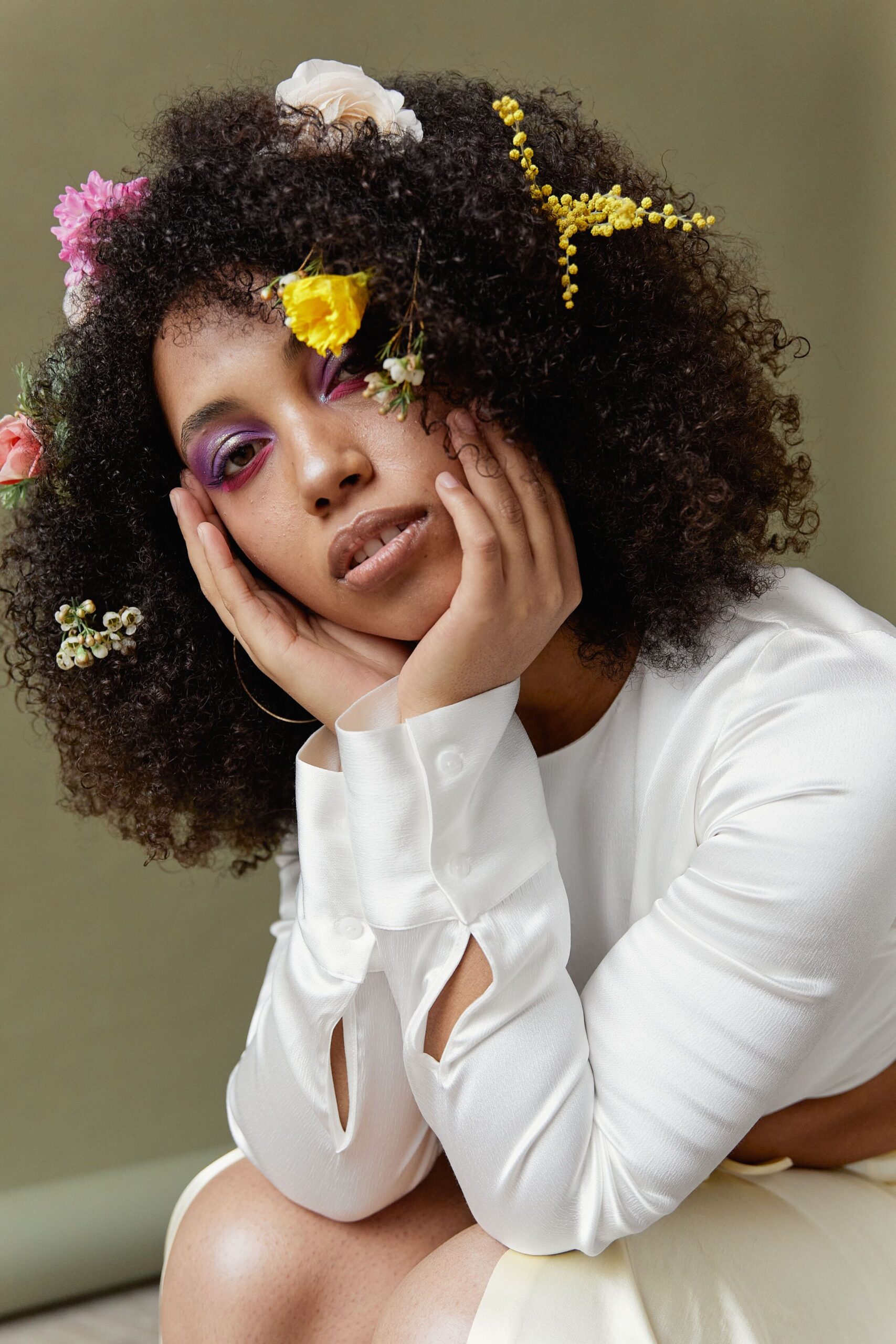
Ultimately, the most beautiful autumn curls are rarely the result of an elaborate routine. They come from understanding texture and choosing products with intention. Against a camel coat, a sharply tailored blazer, or the softness of cashmere, naturally defined curls bring precisely the kind of effortless elegance the season calls for.