Why the salon blow-dry still feels untouchable
A great blow-dry has a quiet authority. The hair moves, but never collapses. It catches the light without looking overworked. It holds its shape through the first coffee, the first commute, the first hours of the day. At home, the result often feels less precise: volume fades, frizz returns, and the ends refuse to sit with the same effortless discipline.
The difference is not only the stylist’s hand. It comes from technique, airflow, heat control and timing — the invisible structure behind every salon-worthy finish.
Heat alone does not create polish
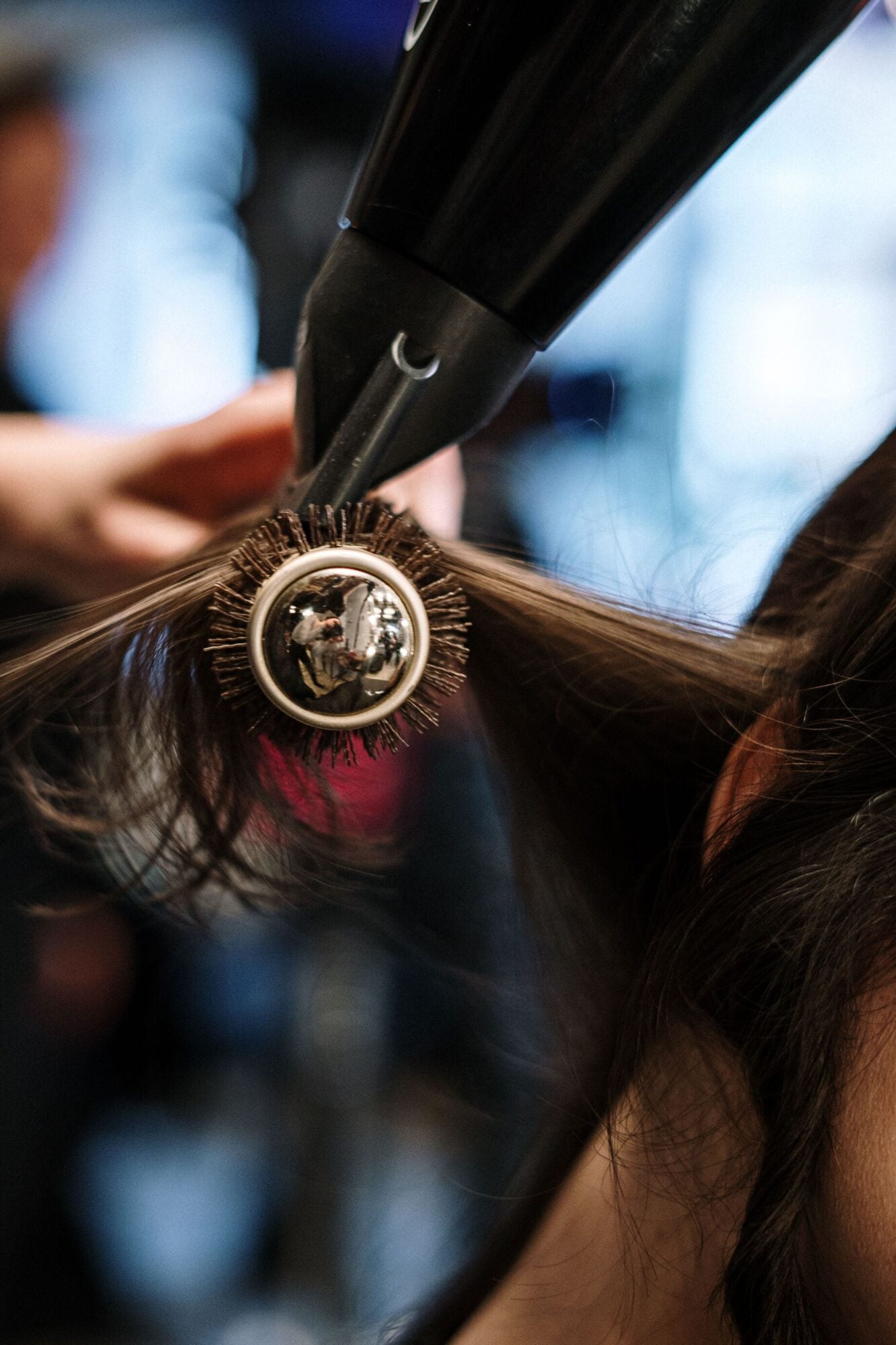
Most people use a hair dryer as a source of hot air. A stylist uses it as a shaping tool. The hair is sectioned, held under tension with a brush, then dried in one controlled direction. When the airflow travels down the hair shaft, it helps smooth the cuticle and create a glossier finish.
This is where the quality of the dryer becomes essential. Professional-style tools are designed to move air efficiently, not simply to produce high heat. The ghd hair dryers range, including the Helios, is built around concentrated airflow and controlled styling. The idea is not to force the hair into shape, but to guide it with precision.
Frizz starts before humidity enters the room
Humidity is often blamed for frizz, but the story begins earlier. When the cuticle lifts, hair absorbs moisture more easily. Strands swell, the surface becomes uneven, and light no longer reflects cleanly. The finish turns dull, fuzzy and less defined.
Ionic technology helps by breaking water into smaller particles, allowing hair to dry more quickly while encouraging a smoother surface. It is one reason this innovation has become central to the new generation of performance hair dryers, including several models in the ghd range. A good dryer will not replace the experience of a stylist, but it can narrow the gap. Used with intention, it becomes less of a beauty appliance and more of a finishing tool.
The cool shot is the quiet luxury step
The cool shot button may be the most underestimated part of a hair dryer. Heat makes hair pliable, while cold air helps set the shape. A stylist uses it on each section to lock in curve, smoothness or volume. At home, skipping this step is one reason a blow-dry can fall flat within hours.
For bounce, roll the hair around the brush, dry with warm air, then finish with cool air before letting the section fall. For sleekness, direct the nozzle downward and use the cool shot once the strand is dry and smooth. It is a small gesture, but it changes the endurance of the result.
The tool behind the finish
Wattage does not tell the full story. Airflow, weight, temperature control and nozzle precision matter more in everyday use. A dryer that feels balanced in the hand encourages better technique. A dryer with strong airflow reduces the need for excessive heat.
The ghd range answers different styling needs without treating performance as one-size-fits-all. The Helios suits those who want speed, control and a polished everyday blow-dry. The ghd Air offers steady drying with a salon-inspired finish, while the Flight+ is designed for travel. The Duet Style combines drying and styling in one tool for a more streamlined routine.
How to bring the salon finish home
The most refined blow-dry does not look overdone. It looks considered. The roots are lifted without stiffness, the lengths fall with movement, and the ends are shaped just enough to frame the face. This is the kind of beauty detail that makes an entire look feel more intentional.
To recreate that finish at home, begin with sections and let hair air-dry or towel-dry until it is around 70 percent dry. Keep the nozzle angled downward, use strong airflow rather than extreme heat, and finish each piece with cool air. Apply heat protectant to the mid-lengths and ends, where the hair is usually oldest and most exposed. Mastered at home, the salon finish becomes less a rare appointment than a quiet signature of everyday polish.