High-end interior design: elegance is in the details
A room often reveals its character before the furniture fully comes into focus. The first impression may come from the resistance of a solid brass handle, the shadow beneath a floating console, or the way daylight moves across honed limestone. These details are not decorative afterthoughts. They establish the discipline of the space.
High-end interior design is shaped by such decisions: the junction between two materials, the proportion of a doorway, the temperature of a metal finish. Like an impeccably cut garment, a refined interior is understood through construction as much as appearance.
Restraint, proportion, and architectural confidence
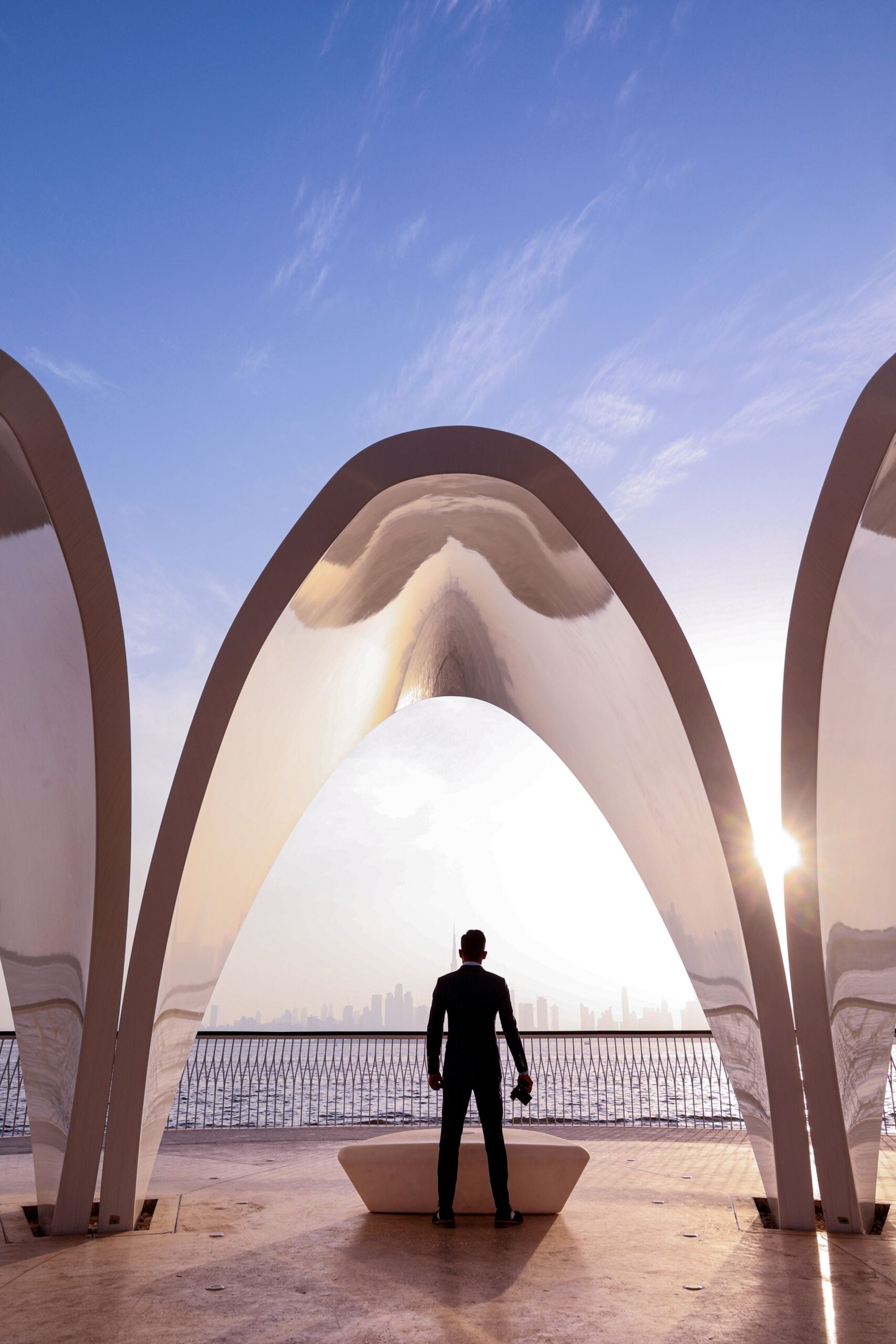
The most compelling interiors are rarely the most crowded. Their richness comes from proportion, sequence, and control. A generous threshold can create ceremony, while a lower ceiling may heighten the impact of a larger room beyond it. Even negative space becomes part of the design.
This approach is often associated with quiet luxury, yet restraint alone does not create sophistication. What matters is the confidence to let architecture carry the room. Pale plaster walls, deep-set windows, aligned millwork, and carefully framed sightlines can communicate more than an accumulation of conspicuously expensive objects.
Materials that become richer with time
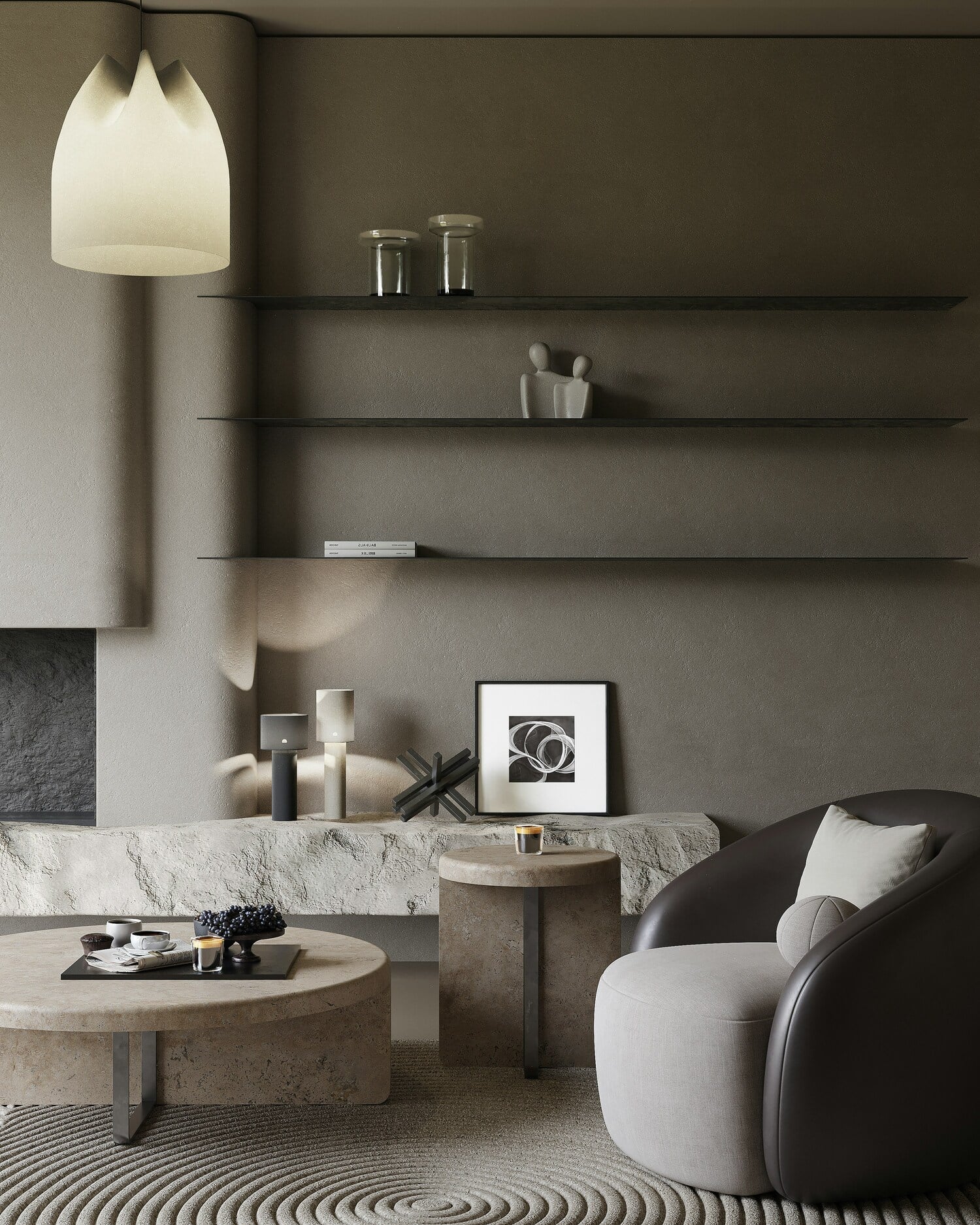
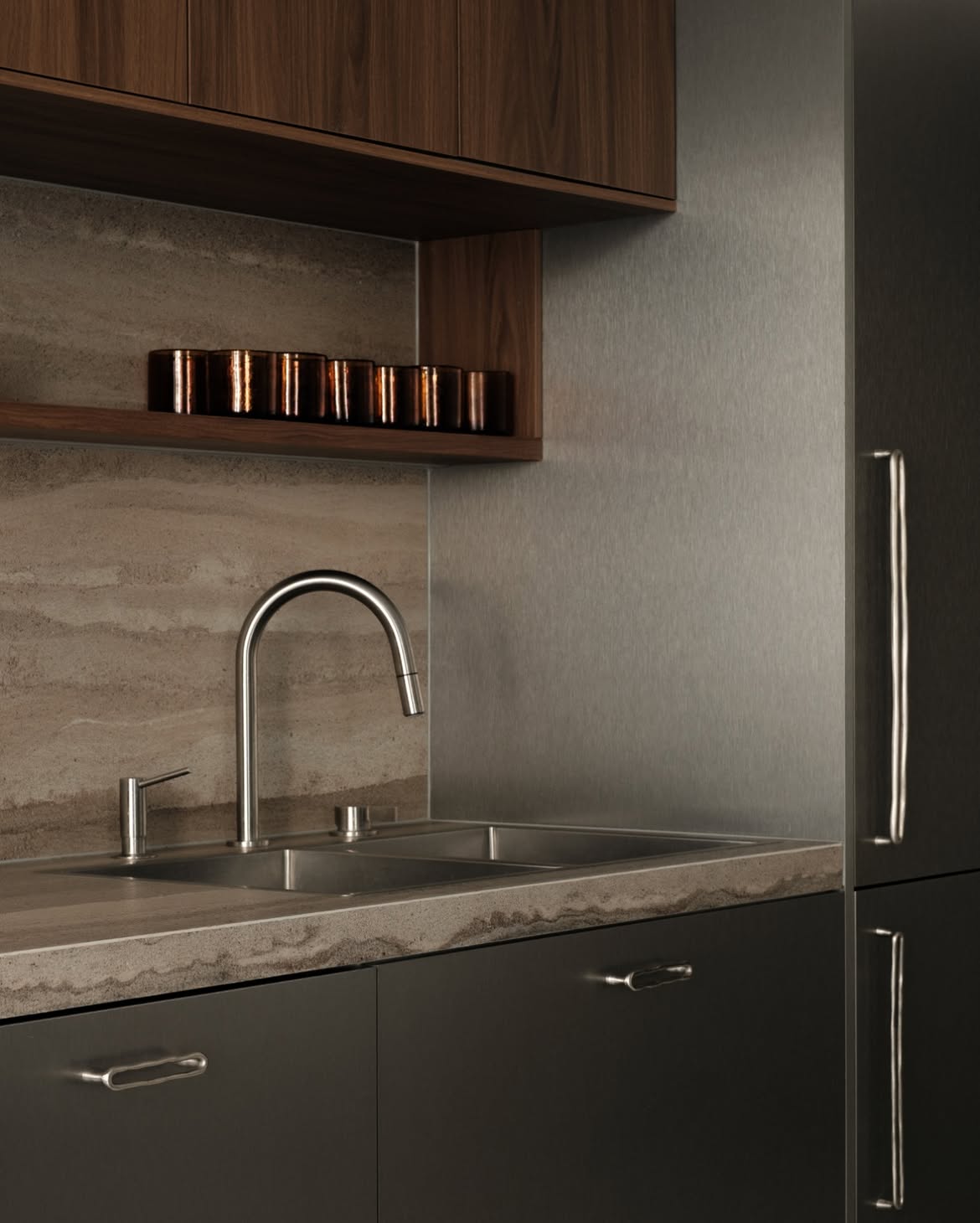
Material selection determines whether a room feels merely polished or genuinely enduring. Travertine, walnut, bronze, mohair, full-grain leather, and hand-finished plaster bring depth because they respond to touch, light, and age.
Their appeal lies partly in imperfection. Stone reveals mineral traces, timber shifts in tone, and unlacquered brass darkens where it is handled most often. These changes do not diminish the design; they record its use.
The strongest schemes avoid treating noble materials as spectacle. A heavily veined marble may be confined to a fireplace surround, while a richly grained wood appears inside cabinetry. Luxury becomes more convincing when it is edited.
Why hardware deserves architectural attention
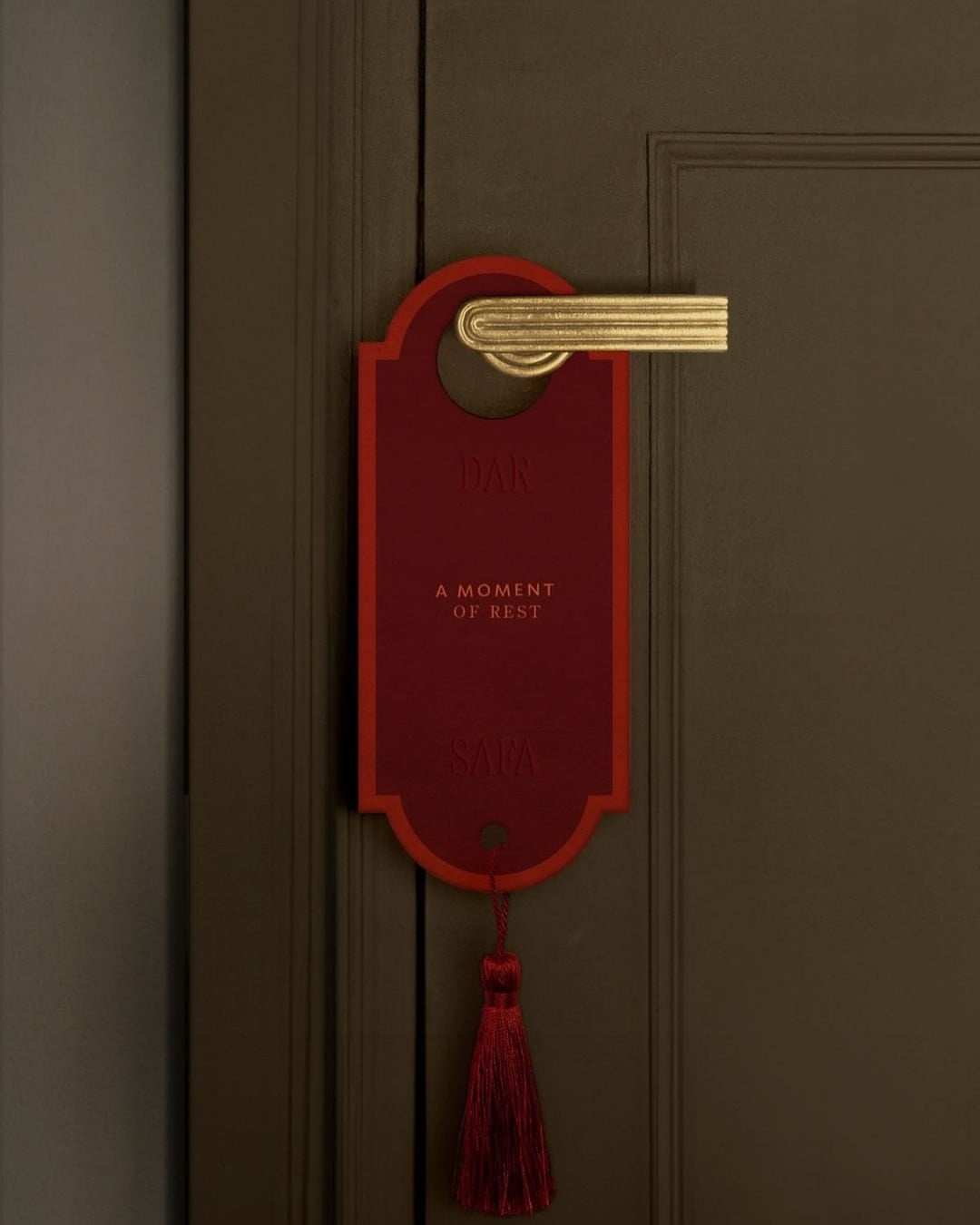
Few elements are touched as often as a door handle, yet hardware is frequently selected late in a project. In a carefully resolved interior, it should be considered much earlier. The scale of a lever, the shape of a backplate, and the weight of the mechanism all influence how a room is experienced.
Choosing luxury door hardware allows these functional elements to become part of the architectural language. A slim bronze handle can echo the line of a window frame, while a sculpted knob can soften rectilinear cabinetry. Hardware performs a role similar to jewelry in fashion: small in scale, yet capable of sharpening the entire composition.
The relationship between fashion and interior design extends beyond color trends. Both fields depend on structure. A tailored jacket succeeds through cut, balance, and construction; a room relies on circulation, scale, and the relationship between surfaces.
Gabrielle Chanel understood this instinctively. Her apartment at 31 Rue Cambon was composed through repetition, reflection, and contrast. Coromandel screens created depth, mirrored surfaces altered perspective, and symbolic objects added a private layer of meaning.
The same principle applies today: sophistication comes from editing connections, not matching everything.
Composing a room like a wardrobe
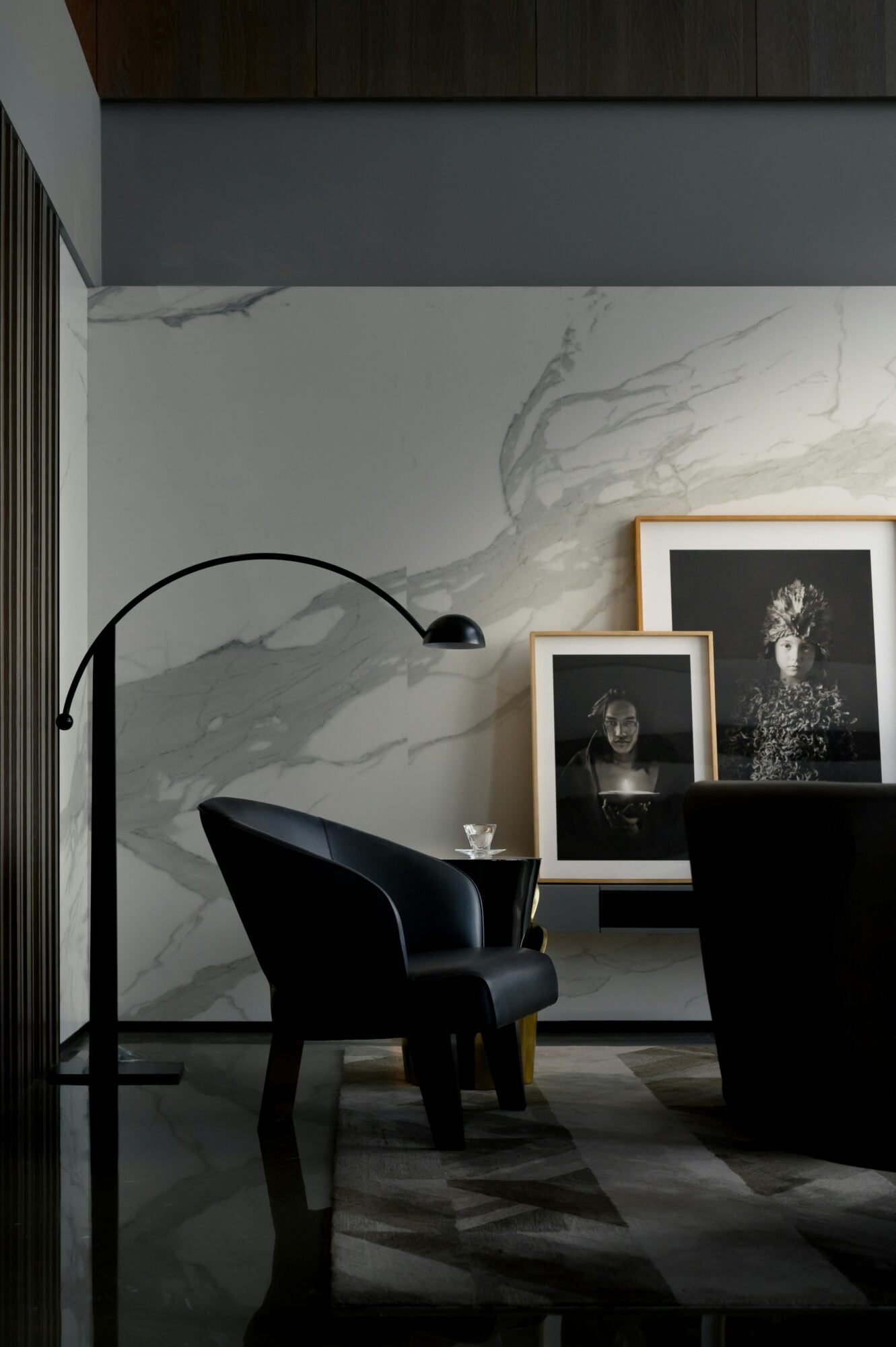
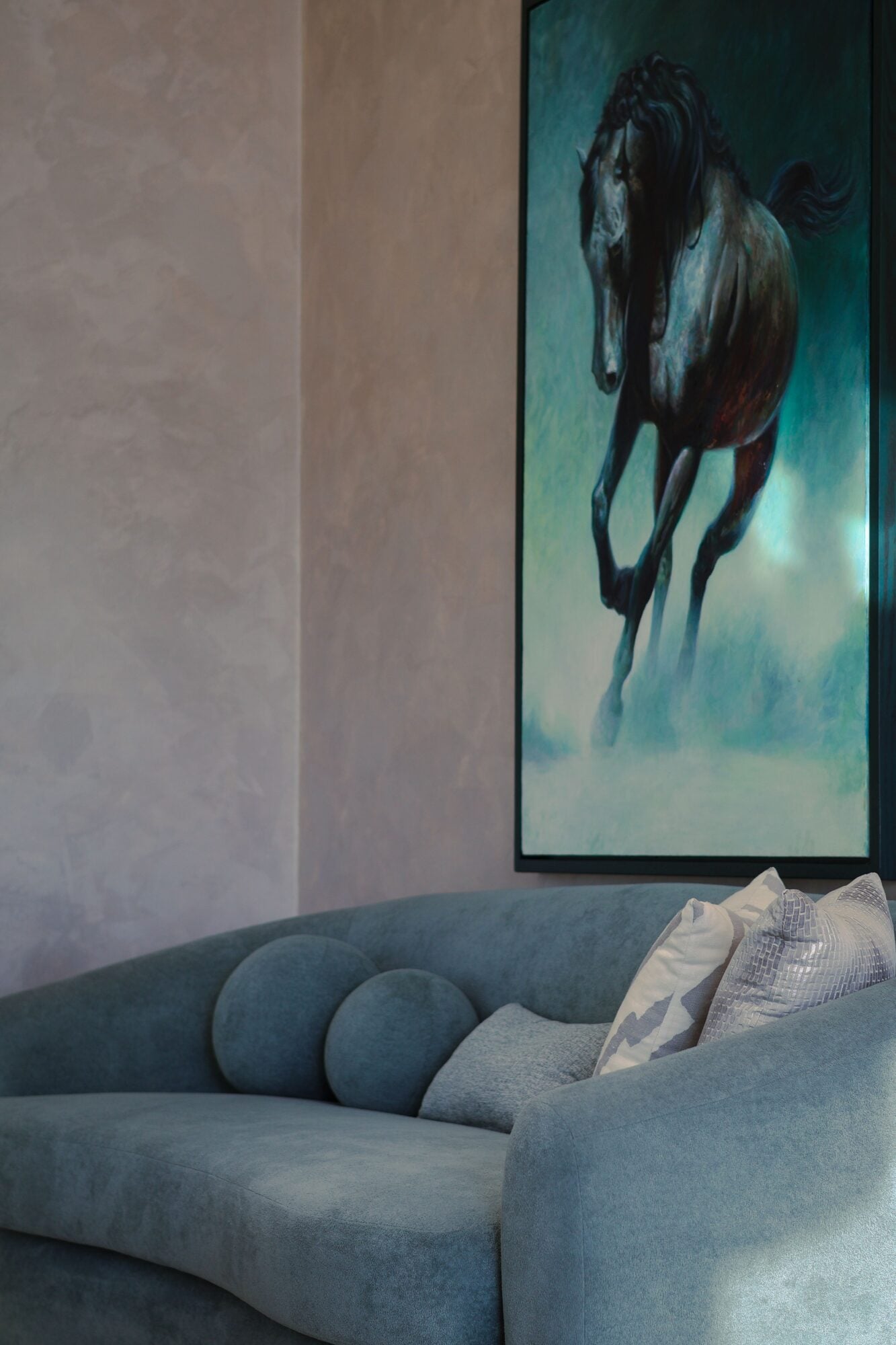
A successful interior, like a strong look, needs hierarchy. One piece may establish the room’s direction—a sculptural sofa, a monumental photograph, or a sharply defined pendant—while quieter elements support it.
Visual tools such as Modalova Swipe reflect the intuitive way people identify what attracts them. Repeated choices reveal preferences for certain proportions, materials, colors, and combinations. The objective is not to reproduce a reference image, but to translate its visual principles into a space with its own identity.
Light, art, and the final layer
Lighting is most effective when planned as a composition. Wall washing can reveal plaster texture, a narrow beam can isolate a work of art, and low pools of light can make a large room feel more intimate after dark.
Art should be approached with equal care. A work with tension, scale, or emotional weight introduces something less predictable. The finest interiors feel complete not because every surface has been filled, but because architecture, materials, objects, and light have been brought into balance. Their luxury lies not in display, but in discernment.