How fashion insiders move their most precious pieces
A carefully built wardrobe is more than a sequence of seasonal purchases. Over time, a vintage evening dress, a perfectly cut blazer, a Chanel bag, or a pair of beautifully crafted shoes can become part of a personal archive. And when that collection has to travel, fashion insiders know that the usual moving-day routine is rarely enough. Preserving shape, fabric, finish, and provenance requires the same attention that went into choosing each piece.
The wardrobe pieces that demand special treatment
Not every garment carries the same risks in transit. Silk can snag or crease, cashmere needs protection from friction and moisture, while structured tailoring can lose its line when folded incorrectly. Embellished dresses present another challenge: sequins, beads, and delicate embroidery should never be compressed beneath heavier clothing.
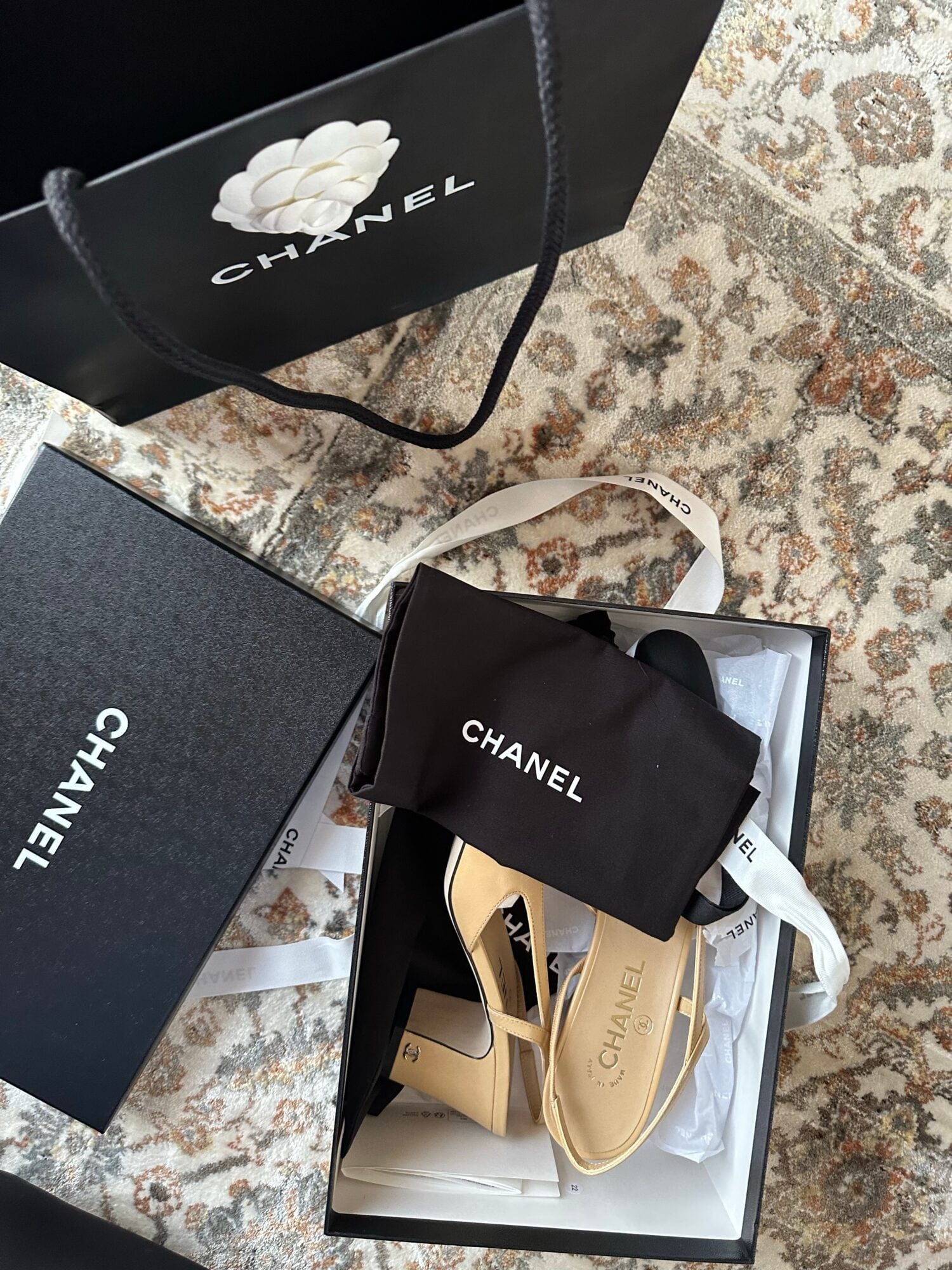
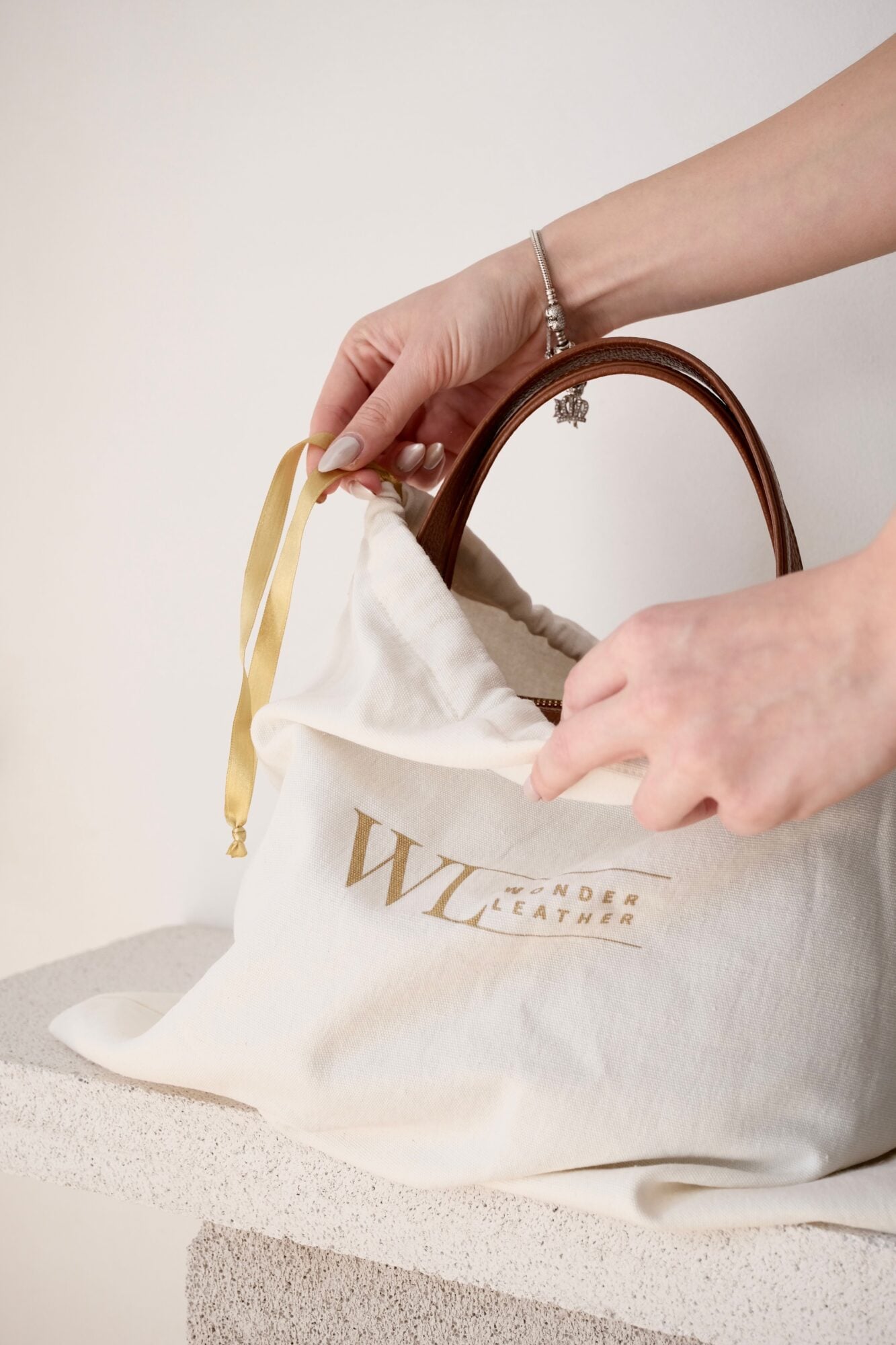
Accessories deserve equal consideration. Iconic handbags—from the Hermès Kelly to Chanel’s quilted classics—are defined partly by their construction, making proper support essential. Stuffing bags with acid-free tissue paper and placing them in individual dust bags helps preserve their silhouette without putting unnecessary stress on leather or hardware.
Packing a luxury wardrobe like an insider
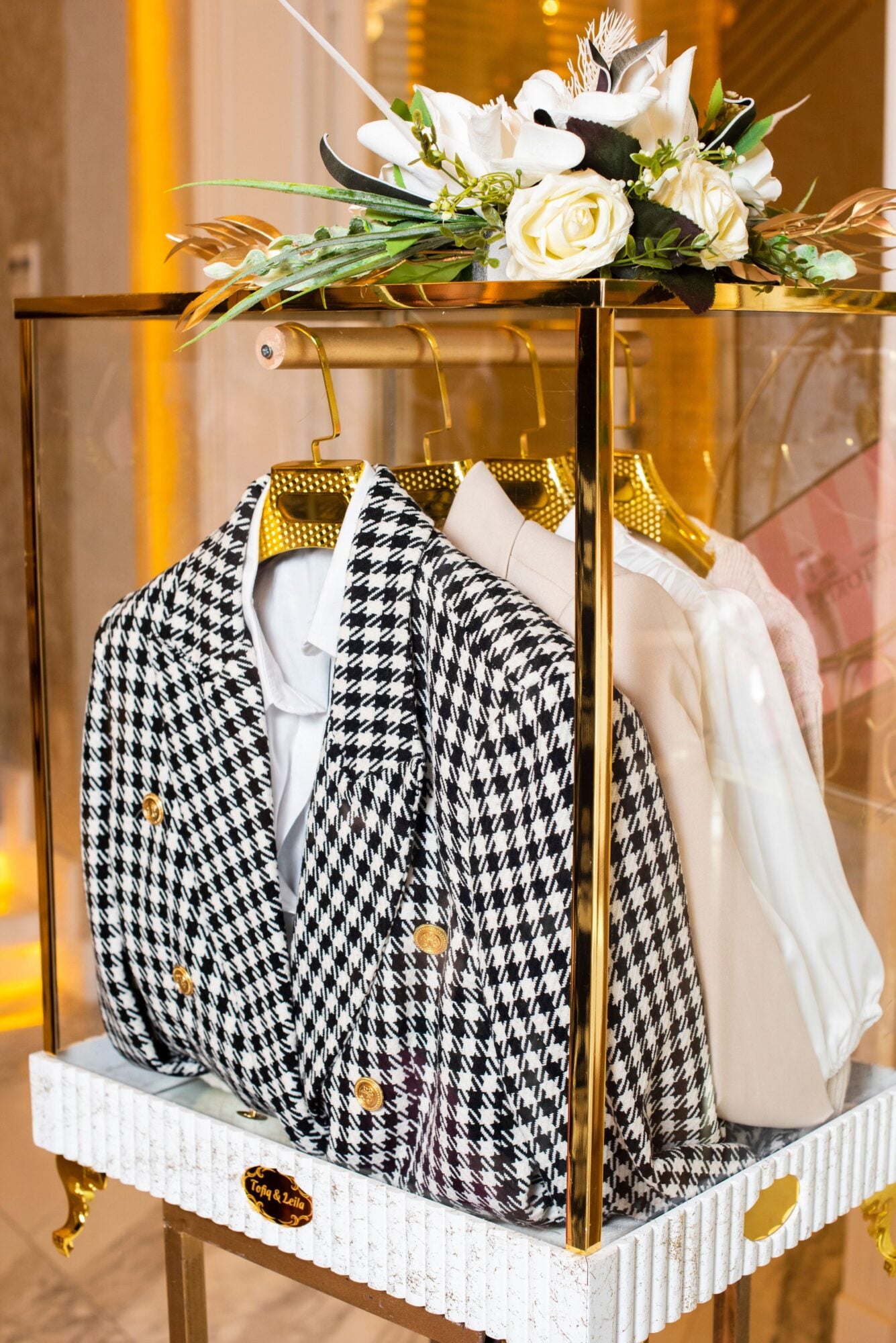
The insider approach begins with categorization rather than cardboard boxes. Tailored jackets, eveningwear, and delicate dresses are best kept hanging in breathable garment bags. Knitwear should lie flat, while shoes benefit from individual boxes and internal supports that help maintain their shape.
Jewelry requires its own system. Fine chains should be separated to prevent tangling, while watches and delicate pieces are safest in fitted cases. Vintage fashion calls for particular restraint: archival tissue, breathable materials, and minimal folding can help protect fabrics that may already have decades of history behind them.
The principle is simple: the most considered packing is not necessarily the most elaborate, but the one adapted to the construction and material of each piece.
Why the journey matters as much as the packing
Once a wardrobe is properly prepared, attention shifts from packing to transit. A long-distance move means more handling, more time between closets, and potentially changing conditions along the way—details that matter when a collection includes delicate fabrics, structured handbags, or pieces that would be difficult to replace.
For a move along the East Coast, working with experienced movers from Boston to DC can help keep the process considered from departure to arrival, particularly when valuable pieces are traveling alongside the rest of a household.
Truly irreplaceable items require another level of discretion. Fine jewelry, watches, and small archival pieces are often better kept close at hand, leaving less room for chance during the journey.
Unpacking deserves the same attention
The process is not finished when the boxes arrive. Each important piece should be inspected before returning to the wardrobe. Tailoring can be hung immediately to restore its natural structure, while delicate garments may benefit from professional steaming rather than aggressive ironing.
Leather accessories should be checked before storage and kept away from direct sunlight or excessive humidity. Shoes should retain their supports, and knitwear should return to shelves rather than hangers, which can distort shoulders over time.
These small rituals allow a collection to recover from travel without compromising the qualities that made each piece worth keeping in the first place.

The new luxury is looking after what you own
Luxury has always been associated with craftsmanship, but longevity increasingly shapes how discerning wardrobes are built. A beautifully made coat that survives decades, a vintage dress preserved for another generation, or a handbag maintained rather than continually replaced reflects a more considered relationship with fashion.
Moving such pieces simply makes that philosophy visible. From packing a silk dress to protecting the architecture of an iconic bag, careful handling recognizes something fashion insiders have long understood: acquiring an exceptional piece is only the beginning. Knowing how to preserve it is what allows its story to continue.