The Shoes that Reinvent Men’s Suits
This publication is also available in:
 Français
  English (UK)
  Deutsch
  Italiano
  Español
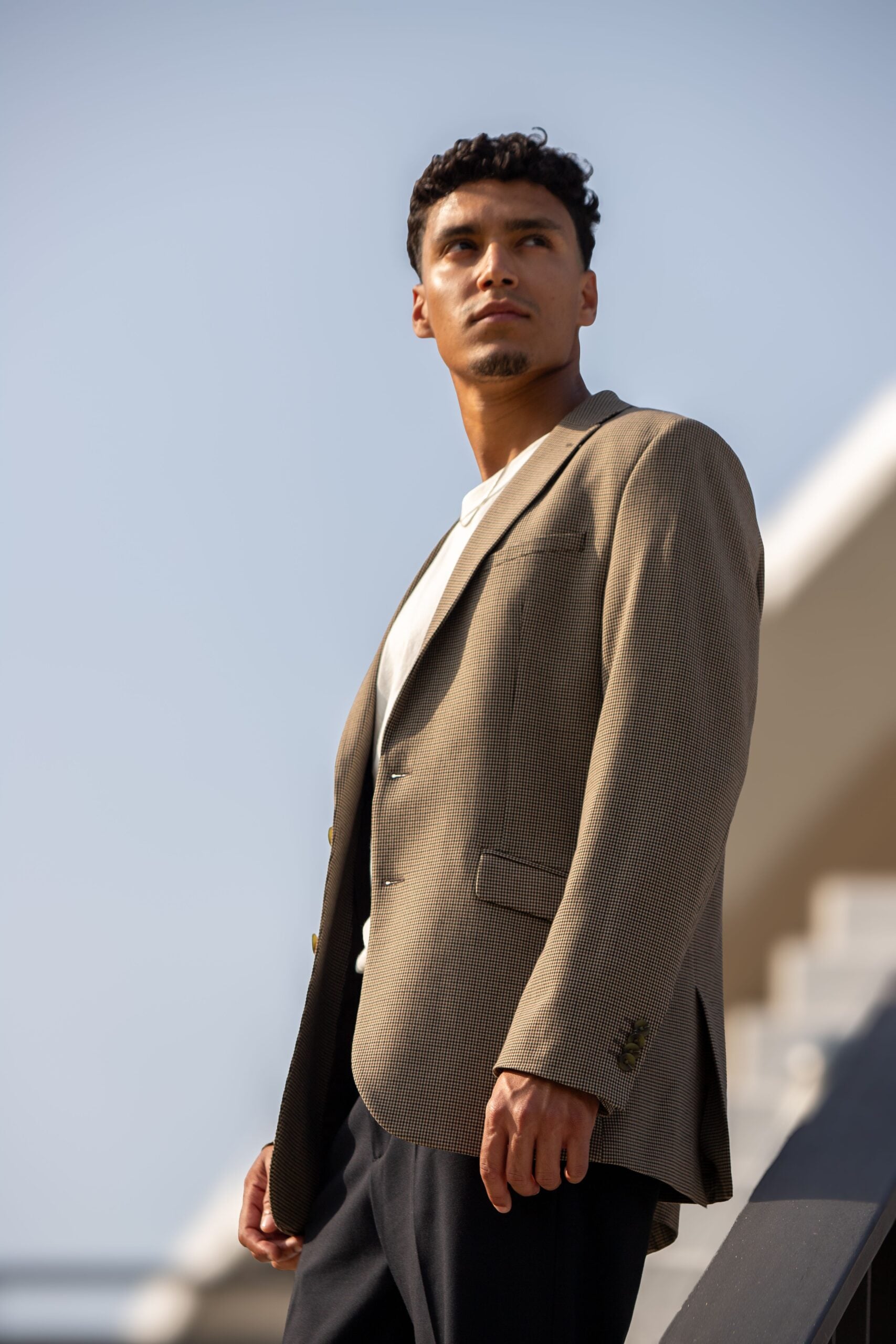
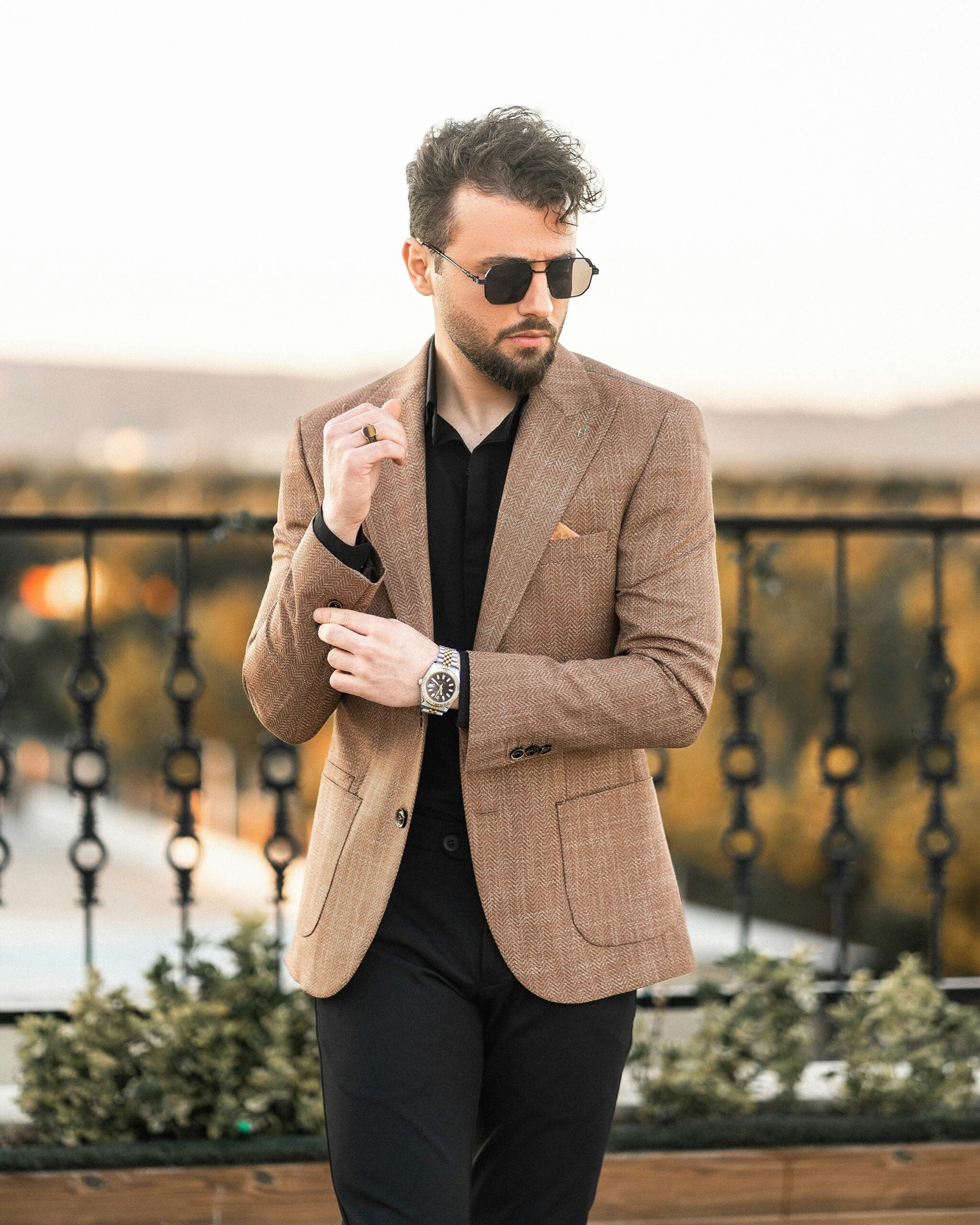
The men’s suit has changed its look. The jacket is worn more loosely, the pants regain some volume, and the once strict lines give way to a more personal elegance. In this new grammar of tailoring, shoes are no longer just a finishing detail: they set the tone, modify proportions, and can shift a silhouette from formal to a more relaxed sophistication.
The loafer, a new signature of tailoring
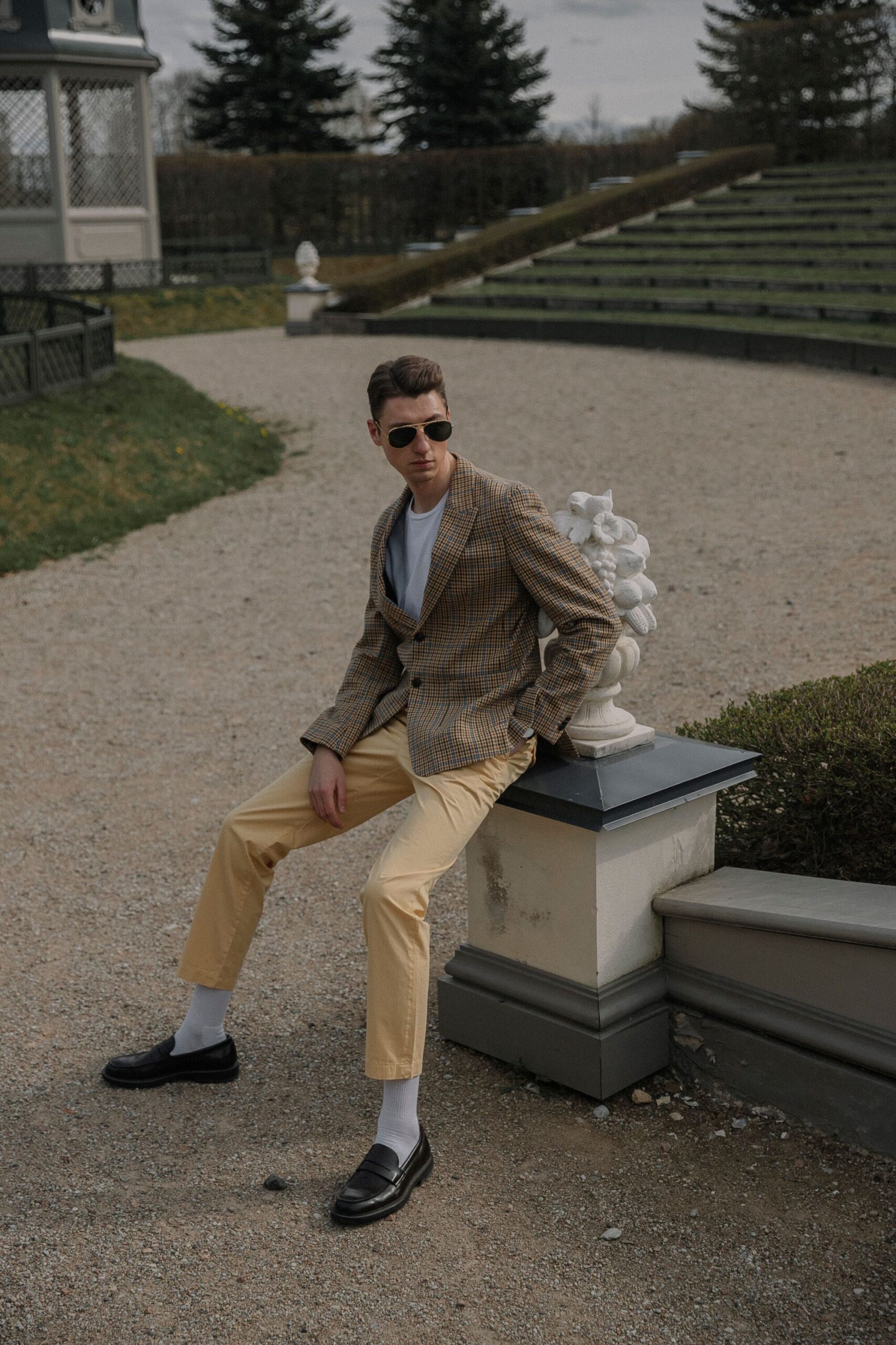
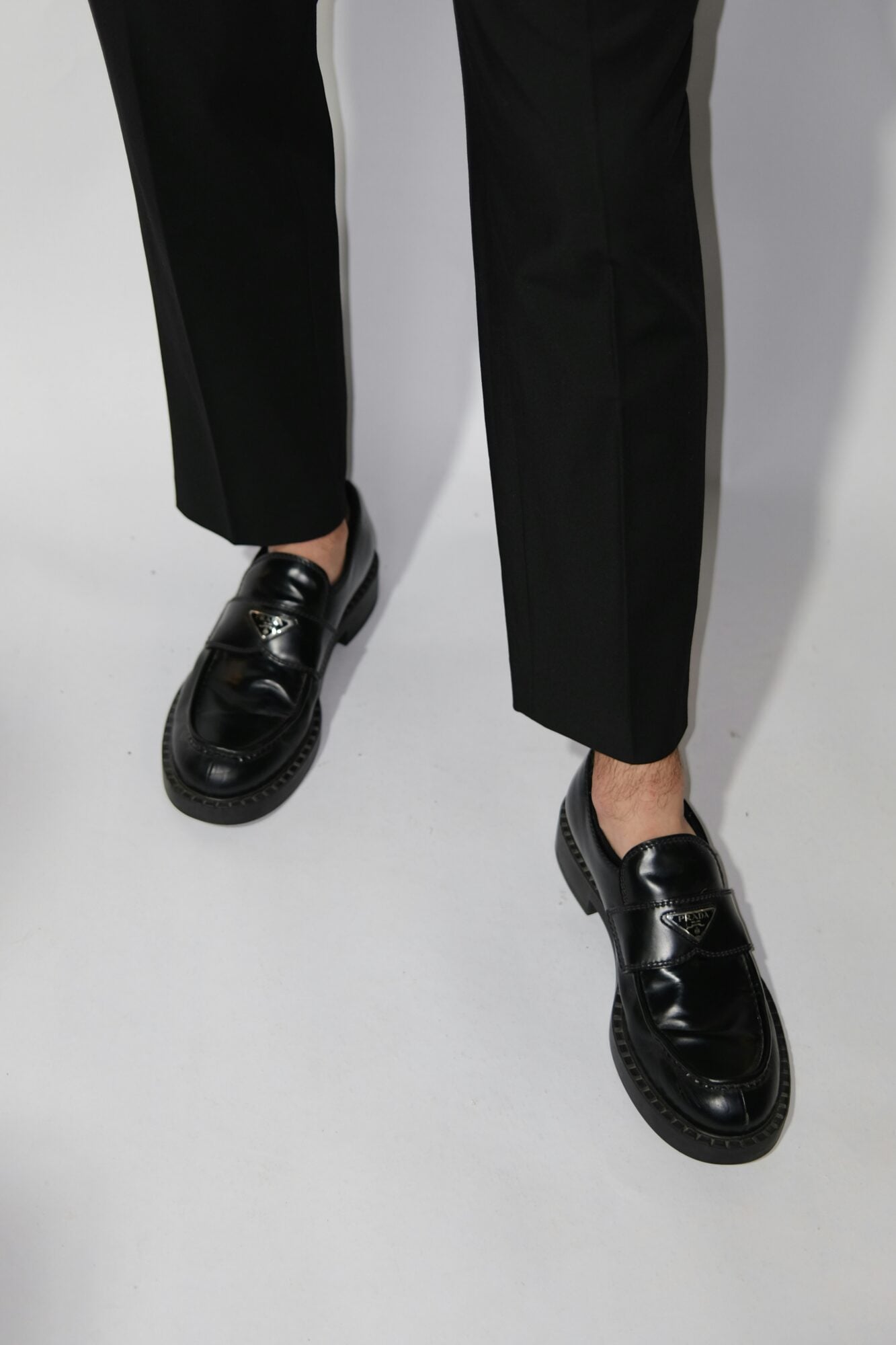
Long associated with the preppy wardrobe, the loafer today finds a particularly balanced harmony with the suit. Choosing a pair of men’s loafers lightens the rigors of a tailored silhouette while maintaining an elegant line. Its lack of laces frees the foot and creates a sharper transition with the pants; with a more substantial sole, it provides depth and further grounds the silhouette.
With an anthracite or navy suit, black leather plays the card of sobriety. Beige, brown, or olive ensembles readily welcome deeper shades, from chocolate to burgundy. The finish deserves the same attention: smooth leather highlights the precision of an outfit, while a more matte texture softens its formal character.
Suit and shoes: a matter of proportions
Even before color, it is the relationship between volumes that determines the harmony of the ensemble. A tapered pant usually calls for shoes with contained lines. The wider cuts, now established in the men’s wardrobe, can support a thick sole or a more generous shape without throwing the silhouette off balance.
This freedom owes much to the evolution of modern tailoring. Giorgio Armani had already disrupted its conventions by softening the suit’s construction and prioritizing movement. Today, this pursuit of ease remains essential: the shoe should extend the fall of the pants rather than fight against it.
From office to evening: adjusting the degree of formality
Not all shoes tell the same suit story. In a formal professional environment, dark leather and clean lines maintain a measured look. For a dinner or a less codified meeting, a more structured loafer, a patinated material, or a pronounced sole is enough to shift the outfit’s register.
The matching of colors also benefits from avoiding automatic choices. A gray suit paired with black leather has an almost graphic sharpness; a cream ensemble gains depth with a dark brown. Contemporary elegance relies less on perfect matching and more on mastering nuances.
When runways shake up the codes of the suit
The runways have accelerated this transformation. At Saint Laurent, the stretched and precise lines have given tailoring a particular tension, while Prada regularly explores the relationships between volumes, functionality, and sophistication. The suit is no longer just the uniform for formal occasions: it becomes a silhouette to compose, sensitive to the movements of fashion as well as the evolutions of the male lifestyle.
The shoe plays a full role in this interpretation. It can be discreet under impeccable pants or, conversely, become a visual anchor thanks to a marked sole and pronounced proportions.

The details that define a contemporary silhouette
A few centimeters can modify the entire look. Pants that just brush the shoe maintain a certain rigor, while a slightly shortened length highlights the loafer even more. Socks also extend the outfit’s construction: tone-on-tone to preserve continuity, subtly contrasted to introduce a more personal detail.
The codes of the suit have not disappeared; they have become more flexible. Cut, pant length, material, and shoe proportions now compose an ensemble where every choice matters. The right pair no longer simply completes the suit: it gives it character.